


Can RT18 Fuse be used in medical electrical equipment?
As a reliable RT18 Fuse supplier, I often receive inquiries from customers regarding the suitability of RT18 fuses for various applications, especially in the field of medical electrical equipment. This blog aims to provide a comprehensive analysis of whether RT18 fuses can be used in medical electrical equipment, considering factors such as safety, performance, and regulatory requirements.
Understanding RT18 Fuses
RT18 fuses, also known as gG or gL fuses, are general - purpose fuses commonly used in low - voltage electrical systems. They are designed to protect electrical circuits from overcurrent conditions, such as short - circuits and overloads. These fuses have a wide range of current ratings and breaking capacities, making them suitable for a variety of applications.
The RT18 fuses have a cylindrical shape with blade contacts, which allows for easy installation and replacement. They are typically made of high - quality materials, ensuring stable performance and long - term reliability. Their operating principle is based on the melting of a fuse element when the current exceeds a certain value, thereby interrupting the circuit and protecting the equipment.
Requirements for Fuses in Medical Electrical Equipment
Medical electrical equipment is subject to strict safety and performance requirements. The fuses used in these devices must meet specific standards to ensure the safety of patients and medical staff.
Safety Standards:
Medical equipment is regulated by international standards such as IEC 60601 - 1. These standards specify requirements for electrical safety, including protection against electric shock, overcurrent, and fire hazards. Fuses in medical equipment must be able to quickly and reliably interrupt the circuit in case of an overcurrent event, preventing damage to the equipment and potential harm to users.
Reliability:
Medical equipment often operates continuously or during critical medical procedures. Therefore, the fuses used in such equipment must have high reliability to avoid unexpected failures. They should be able to withstand the normal operating conditions of the equipment, including temperature variations, vibrations, and electrical noise.
Selectivity:
In medical electrical systems, selectivity is crucial. Selective fusing means that only the fuse closest to the fault should blow, while other fuses in the system remain intact. This helps to minimize the impact of a fault on the overall system and ensures that other critical medical equipment continues to operate.
Analyzing the Suitability of RT18 Fuses for Medical Electrical Equipment
Advantages of RT18 Fuses:
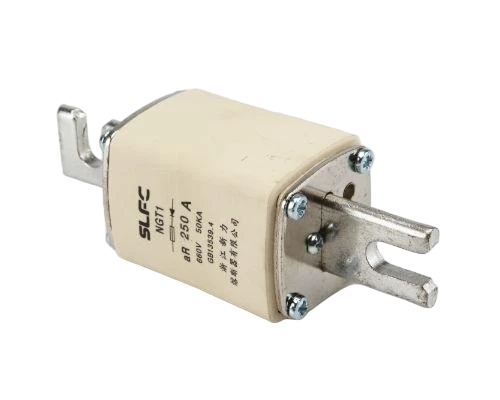
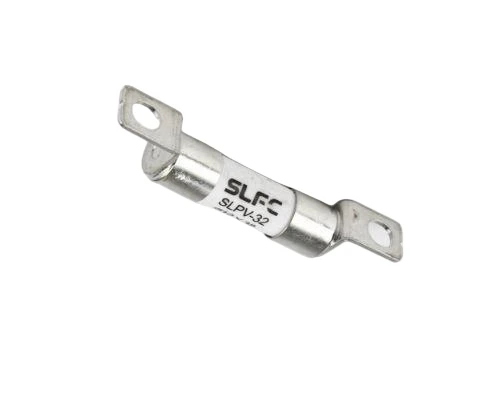
- Overcurrent Protection: RT18 fuses can effectively protect against overcurrent conditions, which is a fundamental requirement for medical electrical equipment. They can quickly interrupt the circuit when the current exceeds the rated value, preventing damage to the equipment.
- Wide Range of Ratings: RT18 fuses are available in a wide range of current ratings, which allows for flexibility in selecting the appropriate fuse for different medical equipment. Whether it is a low - power device or a high - power medical system, there is likely an RT18 fuse that can meet the requirements.
- Cost - Effective: Compared to some specialized fuses for medical applications, RT18 fuses are relatively cost - effective. This can be an important factor for medical device manufacturers, especially when producing large quantities of equipment.
Limitations of RT18 Fuses:
- Lack of Specialized Design: RT18 fuses are general - purpose fuses and may not have the specialized design features required for some medical applications. For example, they may not have the same level of reliability and selectivity as fuses specifically designed for medical equipment.
- Regulatory Compliance: While RT18 fuses meet general electrical safety standards, they may not be specifically certified for use in medical electrical equipment. Medical device manufacturers need to ensure that the fuses they use comply with the relevant medical standards.
Alternatives to RT18 Fuses in Medical Electrical Equipment
There are other types of fuses that are specifically designed for medical applications. These fuses often have features such as higher reliability, better selectivity, and specific certifications for medical use. However, they may also be more expensive.
Some alternatives include fuses with enhanced time - current characteristics, which can provide more precise overcurrent protection. Additionally, there are fuses that are designed to operate in harsh medical environments, such as those with high humidity or electromagnetic interference.
For more information on different types of fuses, you can visit the following links: Bolted Fuse, PV Fuse Base, and Bolted Photovoltaic Fuse.
Conclusion
Whether RT18 fuses can be used in medical electrical equipment depends on several factors. In some cases, where the medical equipment has relatively simple electrical requirements and the manufacturer can ensure that the RT18 fuses meet the necessary safety and performance standards, they can be a viable option. However, for more critical medical applications, especially those subject to strict regulatory requirements, it may be more appropriate to use fuses specifically designed for medical use.
As an RT18 Fuse supplier, I am committed to providing high - quality fuses and technical support to our customers. If you are considering using RT18 fuses in your medical electrical equipment, I encourage you to contact us for further discussion. Our team of experts can help you evaluate the suitability of RT18 fuses for your specific application and provide guidance on regulatory compliance. We are eager to engage in procurement discussions and work with you to find the best fuse solutions for your medical equipment.
References
- IEC 60601 - 1: Medical electrical equipment - Part 1: General requirements for basic safety and essential performance.
- Various technical documents on RT18 fuses from fuse manufacturers.
- Industry reports on the use of fuses in electrical systems, including medical applications.


