As a supplier of GPV Fuses, I often encounter customers who are unsure about how to determine if a GPV Fuse is defective. In this blog post, I'll share some professional insights and practical methods to help you accurately assess the condition of GPV Fuses.
Understanding GPV Fuses
Before delving into the defect - determination methods, it's essential to understand what GPV Fuses are. GPV Fuses are specifically designed for photovoltaic (PV) systems. They play a crucial role in protecting the electrical circuits in PV installations from over - current situations. A defective GPV Fuse can lead to system failures, and in severe cases, pose safety risks.
Visual Inspection
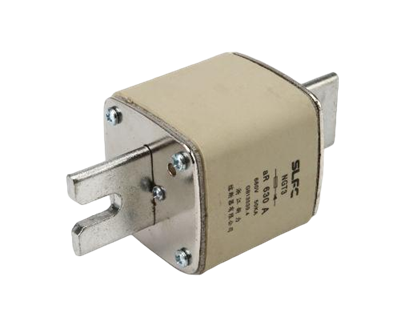
The first and simplest way to check if a GPV Fuse is defective is through visual inspection. When you remove the fuse from its holder, carefully examine its physical appearance.
- Physical Damage: Look for visible signs of physical damage such as cracks, breaks, or burns on the fuse body. A cracked fuse can indicate that it has experienced a significant impact or over - stress. Burns on the fuse body are often a sign of excessive current flow, which may have caused the internal element to melt and damage the outer casing.
- Element Condition: Most GPV Fuses have a transparent or semi - transparent window that allows you to see the internal fuse element. A healthy fuse element should be intact and have a consistent appearance. If the element is broken, melted, or shows signs of discoloration, the fuse is likely defective. For example, if the element appears blackened or has gaps, it has probably blown due to over - current.
Continuity Testing
Continuity testing is a more accurate method to determine if a GPV Fuse is defective. You will need a multimeter for this test.
- Set the Multimeter: Turn the multimeter to the continuity or resistance setting. On most multimeters, the continuity setting is represented by a diode symbol, and when the test leads are connected, it will emit a beep if there is continuity.
- Test the Fuse: Place the two test leads of the multimeter on the two ends of the GPV Fuse. If the fuse is in good condition, the multimeter should show a very low resistance (close to zero ohms) or emit a beep, indicating that there is continuity through the fuse. If the multimeter shows infinite resistance or no beep, it means the fuse is open - circuited and defective.
Over - Current and Temperature Testing
In some cases, a fuse may be defective even if it passes visual inspection and continuity testing. This can happen if the fuse has been exposed to over - current conditions for an extended period or has experienced abnormal temperature changes.


- Over - Current Testing: This type of testing usually requires specialized equipment. You can use a current - source device to apply a known current to the fuse. If the fuse blows at a current lower than its rated current, it is defective. However, this test should be carried out with extreme caution as it involves high - current applications.
- Temperature Testing: A defective fuse may generate more heat than a normal one during operation. You can use an infrared thermometer to measure the temperature of the fuse during normal system operation. If the temperature of the fuse is significantly higher than the surrounding components or the normal operating temperature range, it could be a sign of a defective fuse.
Considering the Application Environment
The application environment can also affect the performance and lifespan of GPV Fuses.
- Moisture and Corrosion: If the PV system is installed in a humid or corrosive environment, the fuse may be more prone to damage. Moisture can cause corrosion on the fuse terminals, which can lead to increased resistance and over - heating. Check for signs of rust or corrosion on the fuse terminals during visual inspection.
- Vibration and Shock: PV systems may be exposed to vibrations and shocks, especially in areas with high - wind or seismic activity. These mechanical forces can cause internal damage to the fuse element. If the system has experienced significant vibrations or shocks, it's a good idea to check the fuses more frequently.
Product - Specific Considerations
As a GPV Fuse supplier, we offer a variety of products, such as the 1000VDC GPV Fuse, Bolted Photovoltaic Fuse, and DC1000V Solar PV Fuse Holder Base. Each product may have specific characteristics and requirements for defect determination.
- Rated Current and Voltage: Make sure you are using the correct fuse with the appropriate rated current and voltage for your PV system. Using a fuse with a lower rated current than required can cause it to blow prematurely, while a fuse with a higher rated current may not provide adequate protection.
- Compatibility: Ensure that the fuse is compatible with the fuse holder and other components in the PV system. Incompatible components can lead to poor electrical connections, which can cause over - heating and fuse failure.
Conclusion
Determining if a GPV Fuse is defective requires a combination of visual inspection, electrical testing, and consideration of the application environment. By following these methods, you can accurately identify defective fuses and replace them in a timely manner to ensure the safe and efficient operation of your PV system.
If you are in the process of sourcing high - quality GPV Fuses or need more information about our products, please feel free to contact us for procurement discussions. We are committed to providing you with the best solutions for your PV system protection needs.
References
- "Photovoltaic Fuse Handbook", published by the International Electrotechnical Commission (IEC)
- "Solar PV System Design and Installation Guide", an industry - standard guide for PV system professionals.