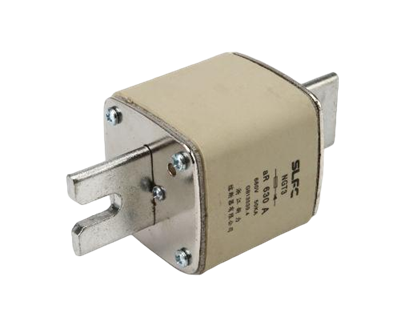
As a trusted supplier of RS3 Fuse, I understand the significance of proper maintenance to ensure the reliable performance of these critical electrical components. In this blog post, I will delve into the essential maintenance requirements for RS3 Fuse, shedding light on best practices that can extend their lifespan and enhance overall safety.
Understanding RS3 Fuse
Before we explore the maintenance requirements, let's briefly understand what RS3 Fuse is. RS3 Fuse is a type of high - speed fuse commonly used in various electrical applications, such as protecting semiconductor devices from overcurrent conditions. Its fast - acting nature allows it to quickly interrupt the circuit when an overcurrent occurs, preventing damage to sensitive electrical equipment.
Visual Inspection
One of the most basic yet crucial maintenance steps for RS3 Fuse is visual inspection. Regularly examine the fuse for any signs of physical damage, such as cracks, breaks, or discoloration. A cracked or broken fuse can compromise its integrity and may not function properly when needed. Discoloration can indicate overheating, which could be a sign of an underlying electrical problem or an overloaded circuit.
It is recommended to perform visual inspections at least once a quarter, or more frequently in harsh operating environments. If any signs of damage are detected, the fuse should be replaced immediately. You can find a variety of high - quality replacement fuses, including [RS0 Fuse](/rs3 - fuse/rs0 - fuse.html) and [RS3 Fast Fuse](/rs3 - fuse/rs3 - fast - fuse.html) on our website.
Temperature Monitoring
Temperature plays a vital role in the performance and lifespan of RS3 Fuse. Excessive heat can accelerate the aging process of the fuse and reduce its ability to handle overcurrents effectively. Therefore, it is essential to monitor the temperature of the fuse and its surrounding environment.
Use a non - contact infrared thermometer to measure the surface temperature of the fuse. The normal operating temperature of RS3 Fuse typically ranges from - 50°C to 125°C. If the temperature exceeds this range, it could indicate an overloaded circuit, poor ventilation, or a faulty fuse. In such cases, it is necessary to identify and address the root cause of the overheating promptly.
Tightening Connections
Loose connections can cause increased resistance, leading to overheating and potential failure of the RS3 Fuse. Periodically check the connections of the fuse holder and ensure that they are tight. Use a torque wrench to tighten the bolts to the recommended torque value specified by the manufacturer.
For [Bolted Fast Fuse](/rs3 - fuse/bolted - fast - fuse.html), proper tightening is especially important. Loose bolts can result in arcing, which not only damages the fuse but also poses a significant safety hazard. Make sure to follow the installation instructions carefully when replacing or installing the fuse to ensure secure connections.

Cleaning
Dust, dirt, and debris can accumulate on the surface of the RS3 Fuse over time, which can affect its heat dissipation and electrical performance. Regular cleaning of the fuse and its holder is essential to maintain optimal performance.
Use a soft, dry brush to gently remove any dust or debris from the fuse. Avoid using abrasive materials or solvents that could damage the fuse. If the fuse is heavily soiled, you can use a compressed air canister to blow away the dirt. However, be careful not to apply excessive pressure, as this could damage the internal components of the fuse.
Testing
In addition to visual inspection, temperature monitoring, and cleaning, periodic testing of the RS3 Fuse is also necessary to ensure its functionality. Use a multimeter to measure the resistance of the fuse. A good fuse should have a very low resistance, typically close to zero ohms. If the measured resistance is significantly higher than normal, it could indicate a blown or damaged fuse.
It is recommended to test the fuse at least once a year, or more frequently in applications where the fuse is subjected to high - stress conditions. If the fuse fails the test, replace it immediately with a new one of the same rating.
Documentation
Maintaining proper documentation is an often - overlooked but important aspect of RS3 Fuse maintenance. Keep a record of all maintenance activities, including visual inspections, temperature measurements, tightening of connections, cleaning, and testing results. This documentation can help you track the history of the fuse, identify potential problems early, and demonstrate compliance with safety regulations.
In addition, document the replacement dates of the fuses. This information can be useful for planning future maintenance and ensuring that the fuses are replaced at the appropriate intervals.
Storage
Proper storage of RS3 Fuse is also crucial to maintain its quality. Store the fuses in a cool, dry place away from direct sunlight and moisture. Avoid storing the fuses in areas with high levels of vibration or electromagnetic interference, as these can damage the internal components of the fuse.
When storing the fuses, make sure they are properly labeled with their ratings and specifications. This will make it easier to identify the correct fuse when needed.
Training and Safety
All personnel involved in the maintenance of RS3 Fuse should receive proper training on safety procedures and maintenance techniques. They should be familiar with the potential hazards associated with working on electrical systems, such as electric shock and arc flash.
Provide safety training to all maintenance staff and ensure that they wear appropriate personal protective equipment (PPE), such as insulated gloves and safety glasses, when working on the fuses. Establish clear safety protocols and ensure that all maintenance activities are carried out in accordance with these protocols.
Conclusion
Proper maintenance of RS3 Fuse is essential to ensure its reliable performance and the safety of electrical systems. By following the maintenance requirements outlined in this blog post, including visual inspection, temperature monitoring, tightening connections, cleaning, testing, documentation, storage, and providing proper training, you can extend the lifespan of the fuses and prevent costly downtime.
If you are in need of high - quality RS3 Fuse or have any questions about their maintenance, please feel free to contact us for procurement and further discussions. We are committed to providing you with the best products and services to meet your electrical protection needs.

References
- Electrical Safety Standards Handbook
- Manufacturer's Guidelines for RS3 Fuse