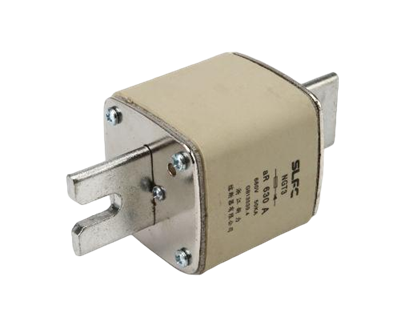
Hey there! As a supplier of PV Fuse Bases, I've got a lot to share about what data can be monitored from these nifty devices in a smart system. Let's dive right in.
Temperature Monitoring
One of the key pieces of data we can keep an eye on from a PV Fuse Base is temperature. You see, PV systems can get pretty toasty under the sun, and excessive heat can spell trouble for the fuses. By monitoring the temperature of the fuse base, we can detect if things are heating up too much.
High temperatures can be a sign of several issues. Maybe there's a high - current draw that's causing the fuse to work harder and generate more heat. Or it could be a poor connection within the fuse base. A loose connection can create resistance, and as we know from Ohm's law, more resistance means more heat.
If the temperature of the PV Fuse Base starts creeping up towards its maximum rated temperature, it's a red flag. It could indicate that the fuse is about to blow or that there's a fault in the system. Continuous high - temperature exposure can also degrade the fuse over time, reducing its lifespan.
Voltage Monitoring
Voltage is another crucial parameter that we can monitor from a PV Fuse Base. In a solar PV system, the voltage should be within a certain range. If the voltage is too high, it can put excessive stress on the fuse and other components in the system.
For example, in a typical 1500V PV system, we expect the voltage across the fuse base to be relatively stable. If we notice sudden spikes in voltage, it could be due to issues like a malfunctioning inverter or a problem with the solar panels themselves. A voltage drop, on the other hand, might suggest a break in the circuit or a high - resistance connection.
Monitoring the voltage across the PV Fuse Base helps us ensure that the system is operating safely and efficiently. It allows us to detect potential problems early on and take corrective action before they cause more significant damage. You can check out our 1500 Vdc 10x85mm Solar PV Fuse Holder which is designed to handle the voltage requirements of modern PV systems.
Current Monitoring
Current is perhaps the most obvious parameter to monitor. The primary function of a fuse is to protect the circuit from over - current conditions. By monitoring the current flowing through the PV Fuse Base, we can determine if the system is operating within its normal current range.
In a healthy PV system, the current should vary depending on factors like sunlight intensity and the load on the system. However, if we see a sudden increase in current, it could mean that there's a short - circuit somewhere in the system. A short - circuit can cause a massive surge in current, and if the fuse doesn't blow in time, it can damage other components in the system.
On the other hand, a very low or zero current reading when there should be some current flowing might indicate that the fuse has blown. It could also be a sign of a broken wire or a disconnected solar panel.
Fuse Status Monitoring
We can also monitor the status of the fuse itself from the PV Fuse Base. A blown fuse is a clear indication that there's a problem in the system. In a smart PV Fuse Base, we can use sensors to detect when the fuse has blown.
This can be done in several ways. For example, some fuse bases use a continuity sensor. If the fuse is intact, there's a continuous electrical path through the fuse. When the fuse blows, the circuit is broken, and the continuity sensor can detect this change.
Once we know that the fuse has blown, we can quickly replace it and investigate the root cause of the problem. It's important to note that simply replacing the fuse without fixing the underlying issue can lead to the new fuse blowing again.
Resistance Monitoring
Resistance within the PV Fuse Base can tell us a lot about the health of the connection. A normal, well - connected fuse base should have a very low resistance. If we start to see an increase in resistance, it could be a sign of corrosion, a loose connection, or a damaged fuse.
Corrosion can occur over time, especially in outdoor PV systems exposed to the elements. It can build up on the contacts of the fuse base, increasing the resistance. A loose connection can also cause the resistance to go up, as mentioned earlier.
Monitoring resistance helps us maintain the integrity of the electrical connection within the PV Fuse Base. If the resistance gets too high, it can lead to power losses in the system and increase the risk of over - heating.
Connection Integrity Monitoring
In addition to the electrical parameters, we can also monitor the physical connection of the fuse within the base. A proper connection is essential for the safe and efficient operation of the PV system.
We can use sensors to detect if the fuse is properly seated in the base. If the fuse is not inserted correctly, it can lead to intermittent connections, which can cause problems like voltage fluctuations and over - heating.
Moreover, in a smart PV Fuse Base, we can use vibration sensors to detect if there's any movement or shaking of the fuse within the base. Excessive movement can cause wear and tear on the fuse and the base, and it can also lead to poor electrical connections.
Why Monitoring Matters
You might be wondering, why all this fuss about monitoring? Well, in a solar PV system, safety is of the utmost importance. A blown fuse can disrupt the power generation of the entire system. By monitoring the data from the PV Fuse Base, we can prevent unexpected system failures.
Early detection of problems through data monitoring can save a lot of time and money. Instead of waiting for a fuse to blow and then having to troubleshoot a potentially large - scale problem, we can identify and fix issues when they're still small.
It also helps in system maintenance. By keeping track of parameters like temperature, voltage, and current over time, we can predict when a fuse might need to be replaced before it fails. This proactive approach to maintenance can extend the lifespan of the PV system and improve its overall efficiency.


Our PV Fuse Bases
At our company, we offer high - quality PV Fuse Bases that are designed to work seamlessly with smart monitoring systems. Our fuse bases are built to withstand the harsh conditions of solar PV installations. They are made from durable materials that can resist corrosion and mechanical stress.
We also provide a range of compatible fuses, such as the 10mmx85mm 1500V 50KA Solar PV Fuse Link. These fuses are carefully engineered to provide reliable over - current protection in PV systems.
Get in Touch
If you're in the market for PV Fuse Bases or are interested in learning more about how these data - monitoring features can benefit your solar PV system, we'd love to hear from you. Whether you're a solar installer, a system integrator, or an end - user, we have the products and expertise to meet your needs. Reach out to us to start a conversation about your PV fuse requirements and let's work together to build a safer and more efficient solar PV system.
References
- "Solar Photovoltaic Systems: Design and Installation Guide"
- "Electrical Engineering Fundamentals"
- "PV System Protection and Safety Standards"