


Hey there, solar enthusiasts! As a supplier of Solar Fuse Links, I often get asked about the minimum current for a solar fuse link to operate. It's a crucial question, especially when you're dealing with solar power systems. So, let's dive right in and break it down.
Understanding Solar Fuse Links
First off, let's talk about what a solar fuse link is and why it's so important. A solar fuse link is a safety device that protects your solar power system from overcurrent situations. When there's too much current flowing through the system, the fuse link melts, breaking the circuit and preventing damage to your expensive solar panels, inverters, and other components.
Think of it like a traffic cop for your electrical current. It ensures that only the right amount of current flows through your system, keeping everything running smoothly and safely.
What Determines the Minimum Operating Current?
The minimum current for a solar fuse link to operate depends on several factors. One of the most important factors is the rating of the fuse link itself. Fuse links come in different ratings, which are usually marked on the fuse. For example, you might see a fuse rated at 10A, 20A, or 30A. This rating indicates the maximum current that the fuse can handle without blowing.
But the minimum operating current isn't just about the rating. It also depends on the characteristics of the electrical circuit in your solar power system. Things like the resistance of the wires, the type of load (e.g., a solar panel or an inverter), and the temperature can all affect the minimum current at which the fuse will operate.
Let's take a closer look at some of these factors:
Fuse Rating
The fuse rating is the most obvious factor. If you have a 10A fuse, it's designed to blow when the current exceeds 10A. However, it might not blow immediately at exactly 10A. There's usually a bit of a tolerance, and the fuse might take some time to heat up and melt if the current is only slightly above the rating.
For example, a 10A fuse might start to heat up and eventually blow if the current is around 11A or 12A for an extended period of time. But if the current is only 10.1A, it might take a long time for the fuse to blow, or it might not blow at all.
Circuit Resistance
The resistance of the wires in your solar power system can also affect the minimum operating current of the fuse. If the wires have a high resistance, they'll generate more heat when current flows through them. This extra heat can cause the fuse to blow at a lower current than its rated value.
On the other hand, if the wires have a low resistance, there'll be less heat generated, and the fuse might need a higher current to blow. That's why it's important to use the right size and type of wires for your solar power system to ensure that the fuse operates correctly.
Load Characteristics
The type of load in your solar power system can also make a difference. Different loads have different electrical characteristics, and they can draw different amounts of current. For example, a solar panel might draw a relatively constant current, while an inverter might draw a variable current depending on the amount of power it's converting.
If the load has a high inrush current (the initial surge of current when the load is turned on), it can cause the fuse to blow even if the steady-state current is within the fuse rating. That's why it's important to choose a fuse with a high enough inrush current rating for your specific load.

Temperature
Temperature can also have a significant impact on the minimum operating current of a fuse. Fuses are designed to operate within a certain temperature range, and if the temperature is too high or too low, it can affect the fuse's performance.
In general, fuses tend to blow more easily at higher temperatures because the heat from the environment adds to the heat generated by the current flowing through the fuse. Conversely, at lower temperatures, the fuse might need a higher current to blow because it takes longer for the fuse to heat up.
How to Determine the Right Minimum Current
So, how do you determine the right minimum current for a solar fuse link in your system? The first step is to understand the requirements of your solar power system. You need to know the maximum current that your system is likely to draw under normal operating conditions, as well as the maximum inrush current.
Once you have this information, you can choose a fuse with a rating that's appropriate for your system. It's usually a good idea to choose a fuse with a rating that's slightly higher than the maximum expected current to allow for some tolerance.
But don't just rely on the rating alone. It's also a good idea to consult with an electrical engineer or a solar power expert. They can help you analyze your system and choose the right fuse based on all the factors we've discussed.
Where to Find the Right Solar Fuse Links
If you're in the market for solar fuse links, we've got you covered. We offer a wide range of high-quality 1000VDC Fuse that are designed specifically for solar power systems. Our fuses are tested and certified to meet the highest standards of safety and performance.
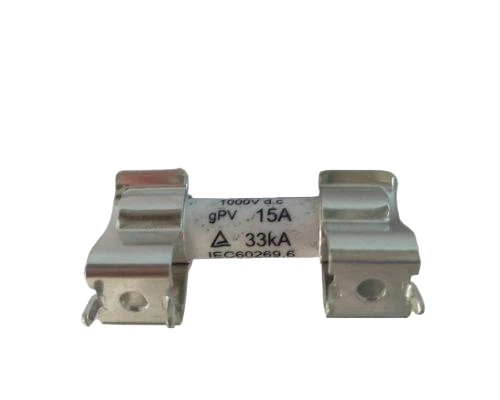
In addition to fuse links, we also offer Solar Fuse Clip and PV Fuse Holder to make it easy to install and use our fuses in your solar power system.
Contact Us for More Information
If you have any questions about solar fuse links or need help choosing the right fuse for your system, don't hesitate to contact us. We're here to help you ensure that your solar power system is safe and reliable.
Whether you're a DIY enthusiast or a professional installer, we can provide you with the products and support you need. So, if you're looking for a trusted supplier of solar fuse links, give us a shout. We'd love to talk to you about your solar power needs and help you find the right solutions.
References
- "Electrical Safety in Solar Power Systems," Electrical Safety Foundation International
- "Fuse Selection Guide," Cooper Bussmann
So, there you have it! I hope this blog post has helped you understand the minimum current for a solar fuse link to operate. If you have any more questions or need further advice, feel free to reach out. We're always happy to help!


