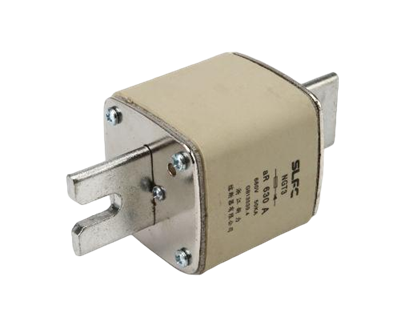
As a trusted supplier of GPV Fuses, I am often asked about the thermal stability of these critical components. Understanding the thermal stability of GPV Fuses is essential for ensuring the safety and reliability of electrical systems, especially in applications where high temperatures and varying thermal conditions are common. In this blog post, I will delve into the concept of thermal stability in GPV Fuses, exploring what it means, why it matters, and how it impacts the performance of these fuses in real-world scenarios.
What is Thermal Stability?
Thermal stability refers to the ability of a material or component to maintain its physical and chemical properties under the influence of temperature changes. In the context of GPV Fuses, thermal stability is crucial because fuses are designed to protect electrical circuits from overcurrent conditions by melting and breaking the circuit when the current exceeds a certain level. However, this process is highly dependent on temperature, as the melting point of the fuse element can be affected by the ambient temperature and the heat generated by the current flowing through the fuse.
A thermally stable GPV Fuse will exhibit consistent performance across a wide range of temperatures, ensuring that it can accurately and reliably protect the circuit under various operating conditions. This means that the fuse will not prematurely blow due to normal temperature fluctuations or fail to operate when an overcurrent condition occurs. Instead, it will respond predictably to changes in current, providing a reliable safeguard for the electrical system.
Why Does Thermal Stability Matter in GPV Fuses?
The thermal stability of GPV Fuses is of utmost importance for several reasons. Firstly, in many electrical applications, such as solar power systems, industrial machinery, and automotive electronics, fuses are exposed to a wide range of temperatures. Solar power systems, for example, can experience extreme temperature variations between day and night, as well as in different seasons. In these environments, a fuse with poor thermal stability may blow prematurely due to the increased ambient temperature, leading to unnecessary downtime and maintenance costs.
Secondly, thermal stability is closely related to the safety of the electrical system. A fuse that is not thermally stable may not operate correctly when an overcurrent condition occurs, allowing excessive current to flow through the circuit and potentially causing damage to the equipment or even starting a fire. By ensuring that the GPV Fuse has high thermal stability, we can minimize the risk of electrical fires and other safety hazards, protecting both the equipment and the personnel working with it.
Finally, thermal stability can also affect the lifespan of the GPV Fuse. A fuse that is exposed to frequent temperature fluctuations without proper thermal stability may experience accelerated aging, leading to a shorter service life. This can result in more frequent fuse replacements, increasing the overall cost of the electrical system.
Factors Affecting the Thermal Stability of GPV Fuses
Several factors can influence the thermal stability of GPV Fuses. One of the most significant factors is the material used for the fuse element. Different materials have different melting points and thermal properties, which can affect how the fuse responds to changes in temperature and current. For example, some materials may have a higher resistance to heat, making them more suitable for applications with high operating temperatures.
The design of the fuse also plays a crucial role in its thermal stability. The shape, size, and construction of the fuse can affect how heat is dissipated from the fuse element, as well as how the fuse interacts with the surrounding environment. A well-designed fuse will have efficient heat dissipation mechanisms, ensuring that the temperature of the fuse element remains within a safe range.
Another factor that can impact thermal stability is the quality of the manufacturing process. A fuse that is manufactured with precision and high-quality materials is more likely to exhibit better thermal stability than one that is poorly made. This is because the manufacturing process can affect the consistency of the fuse element and the overall structure of the fuse, which in turn can influence its thermal performance.
Testing and Ensuring Thermal Stability
To ensure the thermal stability of GPV Fuses, rigorous testing is required. This typically involves subjecting the fuses to a series of temperature and current tests to evaluate their performance under different conditions. For example, the fuses may be tested at various ambient temperatures to determine how their melting time and current-carrying capacity change with temperature.
In addition to testing, the selection of the right fuse for the application is also crucial. When choosing a GPV Fuse, it is important to consider the operating temperature range of the application, as well as the expected current levels. By selecting a fuse that is designed to operate within the specific temperature and current conditions of the application, we can ensure that it will provide reliable protection.
Applications and the Importance of Thermal Stability
GPV Fuses are widely used in a variety of applications, each with its own unique thermal requirements. In solar power systems, for instance, GPV Fuses are used to protect the photovoltaic panels, inverters, and other components from overcurrent conditions. The Bolted Photovoltaic Fuse is specifically designed for these applications, offering high thermal stability to ensure reliable performance in the harsh solar environment.
In automotive electronics, GPV Fuses are used to protect the electrical systems in vehicles, such as the battery management system, lighting system, and engine control unit. These applications require fuses that can withstand the high temperatures generated by the engine and the electrical components, as well as the vibrations and shocks associated with vehicle operation.


Industrial machinery also relies on GPV Fuses to protect the electrical circuits from overcurrent and short-circuit conditions. In these applications, fuses may be exposed to high temperatures due to the heat generated by the machinery itself, as well as the industrial environment. The DC500V Solar Fuse Holder and DC1000V TUV RoHS GPV Fuse Holder Base are examples of products that are designed to provide reliable protection in these demanding industrial applications.
Conclusion
In conclusion, the thermal stability of GPV Fuses is a critical factor that directly impacts their performance, reliability, and safety. A thermally stable GPV Fuse will provide consistent protection across a wide range of temperatures, ensuring that the electrical system operates safely and efficiently. By understanding the importance of thermal stability and taking the necessary steps to ensure it, such as selecting the right fuse for the application and conducting rigorous testing, we can maximize the performance and lifespan of the fuses.
If you are in need of high-quality, thermally stable GPV Fuses for your electrical applications, please feel free to contact us. Our team of experts is ready to assist you in selecting the most suitable fuses for your specific requirements and provide you with professional advice and support. Let's work together to ensure the safety and reliability of your electrical systems.
References
- IEEE Standards Association. (20XX). IEEE Standard for Fuses.
- International Electrotechnical Commission (IEC). (20XX). IEC Standards for Electrical Fuses.
- Underwriters Laboratories (UL). (20XX). UL Standards for Fuse Safety.