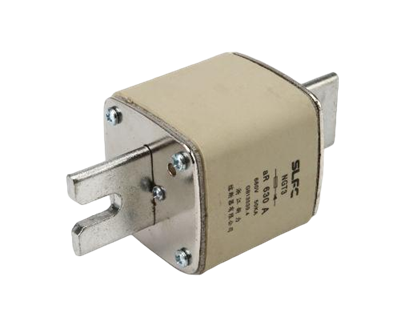
Hey there! As a supplier of Solar Fuse Clips, I often get asked about what materials these nifty little components are made of. So, let's dive right in and explore the ins and outs of the materials used in Solar Fuse Clips.
The Basics of Solar Fuse Clips
First off, if you're not entirely sure what a Solar Fuse Clip is, here's a quick rundown. Solar Fuse Clips are crucial parts in solar power systems. They hold fuses in place, ensuring that the electrical circuit in your solar setup is protected from over - current situations. You can learn more about them on our Solar Fuse Clip page.
Conductive Materials
The most important part of a Solar Fuse Clip is the part that conducts electricity. This is typically made from highly conductive metals.
Copper
Copper is a top choice for the conductive part of Solar Fuse Clips. Why? Well, it has excellent electrical conductivity. This means that it can carry electrical current with very little resistance. When electricity flows through a material with low resistance, less energy is wasted as heat. In a solar power system, where efficiency is key, this is a huge advantage.
Copper is also relatively easy to shape and form. This allows manufacturers to create Solar Fuse Clips with precise dimensions, ensuring a good fit for the fuses they are designed to hold. Additionally, copper has good corrosion resistance, especially when it's properly treated or coated. This is important because solar power systems are often installed outdoors, where they are exposed to various environmental conditions.
Brass
Brass is another common material used in Solar Fuse Clips. It's an alloy made primarily of copper and zinc. Brass combines the good electrical conductivity of copper with the added benefits of zinc. Zinc makes brass more resistant to corrosion than pure copper in some environments.
Brass is also quite malleable, which means it can be easily formed into different shapes. This is useful for creating the complex geometries often required in Solar Fuse Clips. The surface finish of brass can be made smooth, which helps in making good electrical contact with the fuse.
Insulating Materials
In addition to the conductive parts, Solar Fuse Clips also have insulating components. These are essential for preventing electrical shorts and ensuring the safety of the entire solar power system.
Plastic
Plastic is widely used as an insulating material in Solar Fuse Clips. There are different types of plastics that can be used, each with its own set of properties.
One popular choice is polycarbonate. Polycarbonate is a strong and durable plastic. It has good mechanical properties, which means it can withstand the stresses and strains that Solar Fuse Clips may be subjected to during installation and use. It also has excellent electrical insulation properties, preventing the flow of electricity where it's not supposed to go.
Another plastic option is nylon. Nylon is known for its toughness and resistance to wear. It can also withstand a wide range of temperatures, which is important in solar power systems that may be exposed to extreme heat or cold. Nylon is also relatively lightweight, which can be an advantage in some applications.
Coating Materials
To further enhance the performance and durability of Solar Fuse Clips, coating materials are often applied.
Tin
Tin is a common coating material for the conductive parts of Solar Fuse Clips. Tin plating provides several benefits. Firstly, it improves the solderability of the clip. When the clip needs to be connected to other components in the solar power system, a good solder joint is essential for reliable electrical connection.
Tin also provides a protective layer against corrosion. It acts as a barrier between the underlying metal (such as copper or brass) and the environment. This helps to extend the lifespan of the Solar Fuse Clip, especially in harsh outdoor conditions.
Nickel
Nickel coating is another option. Nickel is highly resistant to corrosion and wear. A nickel - coated Solar Fuse Clip can withstand exposure to moisture, chemicals, and other environmental factors without deteriorating quickly.
Nickel also has good electrical conductivity, so it doesn't significantly affect the performance of the clip in terms of carrying electrical current. It can also provide a smooth and shiny surface finish, which may be aesthetically pleasing in some applications.
Compatibility with Different Fuses
Solar Fuse Clips need to be compatible with different types of fuses, such as NH PV Fuse and DC Fuse for Solar. The materials used in the clips are carefully selected to ensure a proper fit and good electrical contact with these fuses.
For example, the shape and size of the conductive part of the clip are designed to match the terminals of the fuse. The insulating materials are chosen to provide adequate protection and isolation for the specific voltage and current ratings of the fuse.


Quality and Reliability
As a supplier of Solar Fuse Clips, we understand the importance of quality and reliability. The materials we use are carefully sourced from trusted suppliers. We conduct rigorous testing on our products to ensure that they meet the highest standards.
We test the electrical conductivity of the conductive parts, the insulation properties of the insulating materials, and the durability of the coatings. This ensures that our Solar Fuse Clips will perform well in real - world solar power applications.
Why Choose Our Solar Fuse Clips
If you're in the market for Solar Fuse Clips, there are several reasons to choose our products. Firstly, we use high - quality materials as described above. This means that our clips are reliable, efficient, and long - lasting.
Secondly, we offer a wide range of Solar Fuse Clips to meet different customer needs. Whether you're working on a small residential solar project or a large commercial installation, we have the right clip for you.
Finally, we provide excellent customer service. Our team is always ready to answer your questions, offer technical support, and help you with your procurement process.
Let's Talk!
If you're interested in our Solar Fuse Clips or have any questions about the materials we use, don't hesitate to reach out. We're eager to discuss your requirements and see how we can help you with your solar power project. Contact us today to start the procurement process and take your solar power system to the next level.
References
- "Handbook of Electrical Engineering Materials"
- "Plastics in Electrical and Electronic Applications"
- Industry standards and guidelines for solar power system components