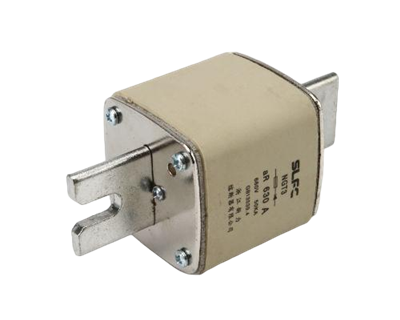
Hey there! As a supplier of NT Fuse Holders, I often get asked about maintenance requirements. So, let's dive right into it and see if there are any specific things you need to do to keep these nifty devices in top - notch condition.
First off, what are NT Fuse Holders? They're essential components in electrical systems. They hold fuses, which are like the guardians of your electrical circuits. When there's an over - current situation, the fuse blows, protecting your equipment from damage. But just like any other piece of equipment, NT Fuse Holders need a bit of TLC to work their best.
Visual Inspection
One of the simplest yet most important maintenance tasks is visual inspection. You should regularly check your NT Fuse Holders for any signs of physical damage. Look for cracks, breaks, or discoloration on the housing. If you spot any of these issues, it's a red flag. A cracked housing can expose the fuse and the electrical connections, which is a major safety hazard.
Over time, dust and dirt can accumulate on the NT Fuse Holders. This might not seem like a big deal at first, but it can actually affect the performance. Dust can act as an insulator, causing the temperature to rise inside the holder. And we all know that excessive heat is not good for electrical components. So, grab a soft, dry cloth and gently wipe down the holders every once in a while.
Connection Checks
The connections in NT Fuse Holders are crucial. Loose connections can lead to arcing, which is not only a safety risk but can also cause the fuse to blow prematurely. You need to make sure that the fuse is properly seated in the holder. If it's wobbly or not making good contact, it's time to take action.
Sometimes, oxidation can occur on the contact points. Oxidation creates a layer of resistance, which can disrupt the flow of electricity. To combat this, you can use a contact cleaner. Just spray it on the contact points and then use a clean cloth to wipe away the oxidation. This will help maintain a good electrical connection.
Compatibility
It's also important to ensure that the fuses you're using are compatible with the NT Fuse Holders. Using the wrong type of fuse can cause all sorts of problems. For example, a fuse with a lower rating than what the circuit requires will blow too easily, while a fuse with a higher rating might not protect the equipment when an over - current situation occurs.
When replacing fuses, always refer to the manufacturer's specifications. This will help you choose the right fuse for your NT Fuse Holder and ensure that your electrical system operates safely.
Environmental Considerations
The environment where the NT Fuse Holders are installed can have a big impact on their maintenance needs. If they're located in a humid area, there's a higher risk of corrosion. In this case, you might need to take extra precautions, like using a moisture - resistant coating on the holders.
On the other hand, if the holders are in a place with a lot of vibration, it can cause the connections to loosen over time. You may need to check the connections more frequently and use additional fasteners to keep everything secure.
Special Features and Their Maintenance
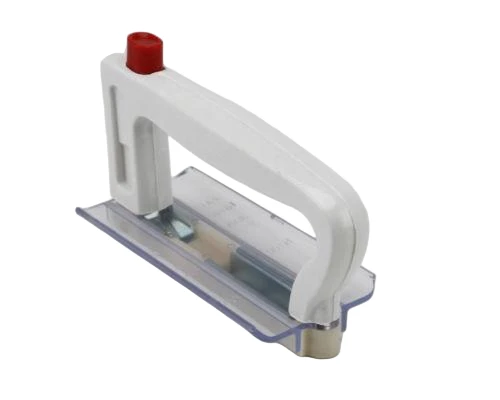
Some NT Fuse Holders come with special features, like NT Fuse Handle. These handles make it easier to insert and remove fuses, but they also need to be maintained. Check the handle for any signs of wear and tear. If it's getting difficult to use, it might be time to replace it.

There are also NH 3P Fuse Base and NH Fuse Base. These bases have multiple contact points and are designed for specific applications. Make sure to inspect these bases regularly for any signs of damage or loose connections.
Documentation
Keep good records of all maintenance activities. This includes the date of inspection, any issues found, and the actions taken. Documentation is not only useful for future reference but can also be important for compliance purposes. If there's ever an audit or an issue with the electrical system, having detailed records can save you a lot of headaches.
Frequency of Maintenance
So, how often should you perform these maintenance tasks? Well, it depends on a few factors. If the NT Fuse Holders are in a critical electrical system, you might want to do a visual inspection every month and a more in - depth check every three to six months. For less critical systems, a quarterly visual inspection and an annual in - depth check might be sufficient.
When to Replace
Even with regular maintenance, NT Fuse Holders will eventually need to be replaced. If you notice that the holder is severely damaged, has excessive wear, or if it's not performing as it should, it's time to get a new one. Using a worn - out NT Fuse Holder can put your entire electrical system at risk.
Importance of Maintenance
You might be thinking, "Do I really need to go through all this trouble?" The answer is a resounding yes! Proper maintenance of NT Fuse Holders can extend their lifespan, reduce the risk of electrical failures, and most importantly, keep you and your equipment safe.
In conclusion, there are definitely maintenance requirements for NT Fuse Holders. By following these simple steps, you can ensure that your NT Fuse Holders work efficiently and safely for a long time.
If you're in the market for high - quality NT Fuse Holders or have any questions about their maintenance, don't hesitate to reach out. We're here to help you make the right choices for your electrical systems. Let's start a conversation about your specific needs and see how we can assist you in finding the perfect solutions.
References
- Electrical Safety Standards Handbook
- Manufacturer's Guides for NT Fuse Holders