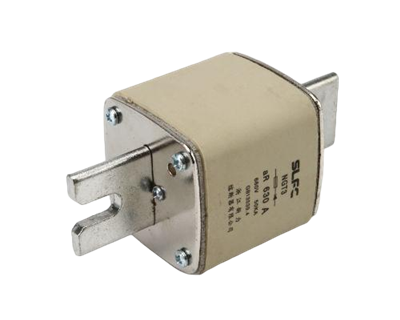
In the ever - evolving landscape of electric vehicles (EVs), the safety and reliability of electrical systems are of paramount importance. One crucial component that plays a significant role in safeguarding these systems is the EV Fuse Holder. As a trusted supplier of EV Fuse Holders, we understand the ins and outs of this vital part and are often asked about its remote - monitoring features.
The Basics of EV Fuse Holders
Before delving into remote - monitoring features, let's first understand what an EV Fuse Holder is. An Electric Vehicle Fuse Holder is a device designed to hold a fuse in place within an electric vehicle's electrical circuit. Its primary function is to protect the electrical system from overcurrent situations. When an excessive current flows through the circuit, the fuse within the holder will blow, interrupting the electrical flow and preventing damage to sensitive components such as batteries, motors, and control units.
The Electric Vehicle Fuse Base is an integral part of the fuse holder. It provides a stable and secure connection for the fuse, ensuring proper electrical contact and reliable performance. The quality of the fuse base can significantly impact the overall functionality of the fuse holder and, consequently, the safety of the EV's electrical system.
The Need for Remote Monitoring in EV Fuse Holders
As electric vehicles become more advanced and connected, the demand for remote - monitoring capabilities in various components has increased. In the case of EV Fuse Holders, remote monitoring offers several benefits.


Firstly, it enhances safety. By remotely monitoring the status of the fuse holder, vehicle operators and maintenance teams can detect potential issues before they escalate into major problems. For example, if a fuse is approaching its rated current limit or is starting to show signs of degradation, early detection can allow for timely replacement, preventing electrical failures and potential safety hazards.
Secondly, remote monitoring improves maintenance efficiency. Instead of relying on regular physical inspections, which can be time - consuming and costly, remote monitoring enables real - time data collection and analysis. This means that maintenance can be scheduled based on actual fuse holder conditions rather than fixed intervals, reducing unnecessary downtime and maintenance costs.
Available Remote - Monitoring Features in EV Fuse Holders
Current Monitoring
One of the most common remote - monitoring features in EV Fuse Holders is current monitoring. This involves measuring the electrical current flowing through the fuse holder in real - time. By continuously monitoring the current, any abnormal increases or fluctuations can be detected immediately. For instance, if a short - circuit occurs in the electrical system, the current will spike, and the monitoring system can send an alert to the vehicle operator or maintenance team.
Current monitoring can also provide valuable insights into the overall health of the electrical system. By analyzing the current patterns over time, it is possible to identify trends and potential issues such as overloading or inefficient power consumption.
Temperature Monitoring
Temperature is another critical parameter to monitor in an EV Fuse Holder. Excessive heat can cause the fuse to degrade prematurely or even lead to a fire hazard. Remote temperature monitoring allows for continuous tracking of the fuse holder's temperature. If the temperature exceeds a predefined threshold, an alarm can be triggered, indicating a potential problem.
Temperature monitoring can also help in identifying hotspots within the electrical system. For example, if the temperature of a particular fuse holder is consistently higher than others, it could indicate a problem with the electrical connection or a nearby component generating excessive heat.
Fuse Status Monitoring
Remote monitoring can also provide information about the status of the fuse itself. This includes whether the fuse is intact or has blown. In the event of a blown fuse, the monitoring system can immediately send an alert, allowing for quick replacement. Some advanced monitoring systems can even provide detailed information about the fuse's history, such as the number of times it has been subjected to overcurrent conditions.
Implementing Remote - Monitoring Systems in EV Fuse Holders
Implementing remote - monitoring systems in EV Fuse Holders requires a combination of hardware and software components.
On the hardware side, sensors are used to measure the relevant parameters such as current, temperature, and fuse status. These sensors are integrated into the fuse holder design and are connected to a data - acquisition unit. The data - acquisition unit collects the sensor data and processes it before transmitting it to a central monitoring system.
The software component of the remote - monitoring system is responsible for data analysis and visualization. It allows vehicle operators and maintenance teams to access the monitored data through a user - friendly interface. The software can also generate reports and alerts based on predefined rules and thresholds.
Challenges and Considerations
While remote - monitoring features in EV Fuse Holders offer numerous benefits, there are also some challenges and considerations to keep in mind.
One of the main challenges is ensuring the reliability of the monitoring system. The sensors and communication devices used in the remote - monitoring system must be able to operate in the harsh environment of an electric vehicle, including high temperatures, vibrations, and electromagnetic interference. Additionally, the communication network used to transmit the data must be stable and secure to prevent data loss or unauthorized access.
Another consideration is the cost of implementing remote - monitoring systems. The additional hardware and software components required for remote monitoring can increase the overall cost of the EV Fuse Holder. However, the long - term benefits in terms of safety and maintenance efficiency often outweigh the initial investment.
Conclusion
In conclusion, remote - monitoring features in EV Fuse Holders are becoming increasingly important in the era of connected electric vehicles. Current monitoring, temperature monitoring, and fuse status monitoring are just some of the available features that can enhance safety and improve maintenance efficiency. As an EV Fuse Holder supplier, we are committed to developing and providing high - quality fuse holders with advanced remote - monitoring capabilities.
If you are interested in learning more about our EV Fuse Holders or discussing potential procurement opportunities, please feel free to reach out to us. We are ready to work with you to ensure the safety and reliability of your electric vehicle's electrical system.
References
- Smith, J. (2020). "Advancements in Electric Vehicle Electrical Systems." Journal of Electric Vehicle Technology, 15(2), 34 - 45.
- Johnson, M. (2021). "Remote Monitoring in Automotive Components: A Review." Automotive Engineering Review, 22(3), 56 - 67.
- Brown, K. (2019). "Fuse Holder Design and Safety Considerations for Electric Vehicles." Electric Vehicle Safety Journal, 10(1), 12 - 23.