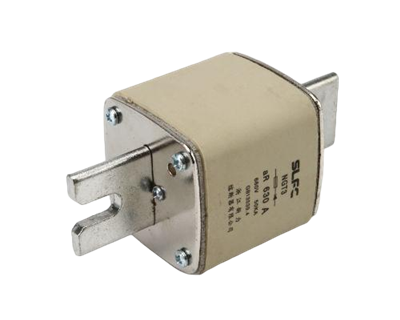
When dealing with electrical systems, especially those operating at high voltages like 1000VDC, safety is of paramount importance. As a supplier of 1000VDC fuses, I understand the critical role these components play in protecting circuits from overcurrent conditions. In this blog post, I'll delve into the safety precautions that should be taken when using a 1000VDC fuse.
Understanding the Basics of 1000VDC Fuses
Before we discuss safety precautions, it's essential to have a basic understanding of what a 1000VDC fuse is. A 1000VDC fuse is designed to interrupt the flow of direct current (DC) in a circuit when the current exceeds a specified value. These fuses are commonly used in various applications, including solar power systems, industrial equipment, and electric vehicles.
Safety Precautions When Using a 1000VDC Fuse
1. Proper Selection of the Fuse
The first and most crucial safety precaution is to select the right fuse for your application. Using an undersized fuse can lead to frequent blowing, which can disrupt the operation of your equipment. On the other hand, an oversized fuse may not provide adequate protection in the event of an overcurrent condition. Consider the following factors when selecting a 1000VDC fuse:
- Rated Current: The rated current of the fuse should be slightly higher than the normal operating current of the circuit. This ensures that the fuse does not blow under normal conditions but will interrupt the circuit when an overcurrent occurs.
- Voltage Rating: The voltage rating of the fuse must be equal to or higher than the maximum voltage in the circuit. Using a fuse with a lower voltage rating can cause arcing and potentially lead to a fire or explosion.
- Breaking Capacity: The breaking capacity of the fuse indicates the maximum current it can safely interrupt without causing damage to the fuse or the surrounding equipment. Make sure to choose a fuse with a breaking capacity that is suitable for your application.
2. Installation
Proper installation of the 1000VDC fuse is essential to ensure its safe and effective operation. Here are some installation tips:
- Isolate the Circuit: Before installing or replacing a fuse, make sure to isolate the circuit by turning off the power supply. This will prevent electric shock and damage to the equipment.
- Use the Right Tools: Use appropriate tools, such as insulated screwdrivers and pliers, to install the fuse. Avoid using tools that are damaged or have exposed metal parts.
- Check the Fuse Holder: Ensure that the fuse holder is clean, dry, and in good condition. A dirty or damaged fuse holder can cause poor contact, which can lead to overheating and premature fuse failure.
- Insert the Fuse Correctly: Insert the fuse into the holder firmly and make sure it is properly seated. A loose fuse can cause arcing and potentially lead to a fire.
3. Maintenance and Inspection
Regular maintenance and inspection of the 1000VDC fuse are necessary to ensure its continued safe operation. Here are some maintenance tips:
- Visual Inspection: Periodically inspect the fuse for signs of damage, such as cracks, burns, or discoloration. If you notice any damage, replace the fuse immediately.
- Check the Connections: Check the connections between the fuse and the fuse holder to ensure they are tight and secure. Loose connections can cause overheating and premature fuse failure.
- Test the Fuse: Use a multimeter or a fuse tester to test the continuity of the fuse. If the fuse is blown, replace it with a new one of the same rating.
4. Handling and Storage
Proper handling and storage of the 1000VDC fuse are also important to ensure its safety and performance. Here are some handling and storage tips:
- Handle with Care: When handling the fuse, avoid touching the metal ends with your bare hands. The oils and dirt on your hands can cause corrosion, which can affect the performance of the fuse.
- Store in a Dry Place: Store the fuses in a dry, cool place away from direct sunlight and moisture. Exposure to moisture can cause corrosion and damage to the fuse.
- Keep Away from Flammable Materials: Keep the fuses away from flammable materials, such as gasoline, oil, and solvents. A blown fuse can generate sparks, which can ignite these materials and cause a fire.
Specific Considerations for Different Types of 1000VDC Fuses
TUV Solar Fuse
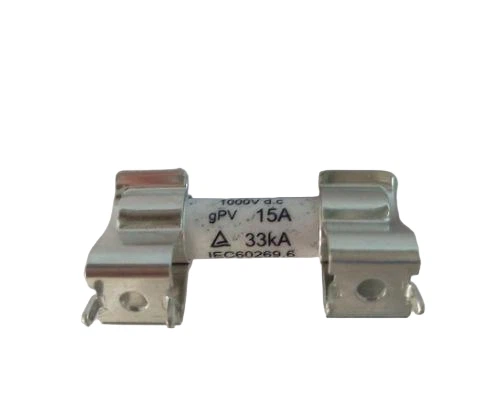
TUV Solar Fuses are specifically designed for use in solar power systems. These fuses are certified by TUV, a leading testing and certification organization, to ensure their safety and performance. When using a TUV Solar Fuse, make sure to follow the manufacturer's instructions and installation guidelines. Additionally, it's important to regularly inspect the fuse and the solar power system to ensure its continued safe operation.
Solar Fuse Clip
Solar Fuse Clips are used to hold the fuses in place in solar power systems. These clips are designed to provide a secure and reliable connection between the fuse and the circuit. When using a Solar Fuse Clip, make sure to choose a clip that is compatible with the fuse and the solar panel. Additionally, ensure that the clip is properly installed and tightened to prevent any loose connections.
NH PV Fuse
NH PV Fuses are commonly used in photovoltaic (PV) systems. These fuses are designed to provide overcurrent protection for PV modules, inverters, and other components in the PV system. When using an NH PV Fuse, make sure to select the right fuse rating and breaking capacity for your application. Additionally, follow the manufacturer's instructions for installation and maintenance to ensure the safe and effective operation of the fuse.

Conclusion
Using a 1000VDC fuse requires careful consideration of safety precautions to ensure the protection of your equipment and personnel. By selecting the right fuse, installing it properly, performing regular maintenance and inspection, and handling and storing it correctly, you can minimize the risk of electrical hazards and ensure the reliable operation of your electrical system.
As a supplier of 1000VDC fuses, we are committed to providing high-quality products and excellent customer service. If you have any questions or need assistance with selecting the right fuse for your application, please feel free to contact us. We look forward to working with you to meet your electrical protection needs.
References
- Electrical Safety Standards and Guidelines
- Manufacturer's Product Manuals
- Industry Best Practices for Electrical Equipment Maintenance