Yo, what's up everyone! As an automotive fuse supplier, I've been getting a lot of questions lately about temperature-related issues with automotive fuses. So, I thought I'd take a few minutes to chat about it and clear up some of the confusion.
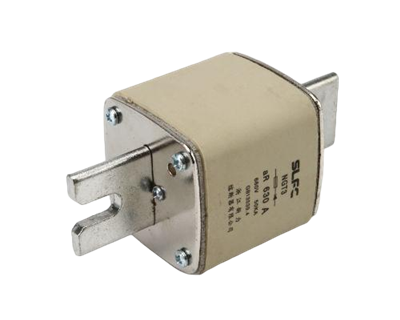
First off, let's talk about what automotive fuses are and what they do. Automotive fuses are safety devices that protect electrical circuits in your vehicle from overloading and short circuits. When too much current flows through a circuit, the fuse will "blow," or break the circuit, preventing damage to the electrical components and potentially causing a fire.


Now, let's get into the temperature-related issues. Temperature plays a crucial role in the performance and lifespan of automotive fuses. Fuses are designed to operate within a specific temperature range, and if the temperature exceeds this range, it can have a significant impact on their functionality.
One of the main temperature-related issues with automotive fuses is thermal aging. Over time, exposure to high temperatures can cause the fuse's internal components to degrade, leading to a decrease in its ability to carry current and a higher risk of failure. This is especially true for fuses that are located in areas of the vehicle where they are exposed to heat, such as near the engine or in the engine compartment.
Another issue is the effect of temperature on the fuse's melting point. Fuses are designed to melt and break the circuit when the current exceeds a certain level. However, the melting point of a fuse can be affected by temperature. At higher temperatures, the fuse may melt at a lower current level than it would at a lower temperature. This means that the fuse may blow prematurely, even if the circuit is not actually overloaded.
On the other hand, at lower temperatures, the fuse may require a higher current to melt and break the circuit. This can be a problem in cold weather conditions, where the fuse may not blow even if the circuit is overloaded, potentially causing damage to the electrical components.
So, what can you do to prevent temperature-related issues with automotive fuses? Well, the first thing is to make sure that you are using the right type of fuse for your vehicle. Different vehicles have different electrical systems, and the fuses need to be rated accordingly. Make sure to check your vehicle's owner's manual or consult with a professional mechanic to determine the correct fuse ratings for your vehicle.
Another important thing is to keep the fuses cool. This can be done by ensuring that the fuses are located in a well-ventilated area and away from sources of heat. If possible, avoid installing fuses near the engine or in other areas where they are exposed to high temperatures.
It's also a good idea to regularly inspect your fuses for signs of damage or wear. Look for any signs of melting, discoloration, or other physical damage. If you notice any issues, replace the fuse immediately.
At our company, we offer a wide range of high-quality Automotive Fuse that are designed to withstand a variety of temperature conditions. Our 150V/250V EV Car Fuse are specifically designed for electric vehicles and are built to handle the high currents and temperatures associated with these vehicles. We also offer Electric Vehicle Fuse Link that are designed to provide reliable protection for your vehicle's electrical system.
If you're in the market for automotive fuses or have any questions about temperature-related issues with fuses, don't hesitate to reach out to us. We're here to help you find the right fuses for your vehicle and ensure that your electrical system is protected. Whether you're a mechanic, a car enthusiast, or just someone looking to replace a blown fuse, we've got you covered.
In conclusion, temperature is a critical factor when it comes to the performance and lifespan of automotive fuses. By understanding the temperature-related issues and taking the necessary precautions, you can help ensure that your vehicle's electrical system is safe and reliable. And if you need high-quality automotive fuses, look no further than our company. We're committed to providing the best products and services to our customers. So, don't wait any longer. Contact us today to discuss your automotive fuse needs and let's get started on finding the perfect solution for you.
References
- "Automotive Electrical Systems," Automotive Engineering Handbook, Society of Automotive Engineers (SAE)
- "Fuse Selection Guide," Littelfuse Inc.
- "Temperature Effects on Fuse Performance," Bussmann by Eaton