Hey there, solar enthusiasts! I'm a supplier of TUV Solar Fuses, and today I want to dig into a question that often pops up in the solar industry: Are TUV Solar Fuses compatible with all types of solar inverters?
First off, let's quickly go over what TUV Solar Fuses are. TUV is a well - known certification body, and TUV Solar Fuses are fuses that have passed the strict TUV safety and performance standards. These fuses are designed to protect solar systems from over - current situations, like short - circuits or excessive current flow. They're a crucial part of any solar setup, ensuring the safety and longevity of the system.
Now, onto the big question: compatibility. The short answer is no, TUV Solar Fuses aren't compatible with all types of solar inverters. Why? Well, solar inverters come in all shapes and sizes, with different electrical ratings, input and output requirements, and design features.
Let's start with the electrical ratings. Solar inverters have specific voltage and current ratings. For example, some inverters are designed to work with a 1000VDC system, while others might be for a 1500VDC system. TUV Solar Fuses also have their own voltage and current ratings. If you try to use a fuse with a lower voltage rating than the inverter's system voltage, it could fail to interrupt the circuit properly in case of an over - current event. On the other hand, using a fuse with a much higher rating than necessary might not provide adequate protection. That's where our 1000VDC Fuse comes in handy for 1000VDC systems. It's rated to handle the specific voltage and current requirements of such setups, providing reliable protection.
Another factor is the type of inverter technology. There are string inverters, central inverters, and micro - inverters. String inverters are commonly used in residential and small - to - medium - sized commercial solar installations. They connect multiple solar panels in series to form a string. Central inverters, on the other hand, are used in large - scale solar farms. They can handle a high amount of power from multiple strings of panels. Micro - inverters are installed on each individual solar panel, converting DC power to AC right at the panel level.
Each type of inverter has different electrical characteristics and fault - current profiles. For instance, central inverters can have very high fault currents due to the large number of panels connected to them. TUV Solar Fuses need to be carefully selected to match the fault - current handling capabilities of the inverter. A fuse that's suitable for a micro - inverter might not be able to handle the high fault currents of a central inverter.
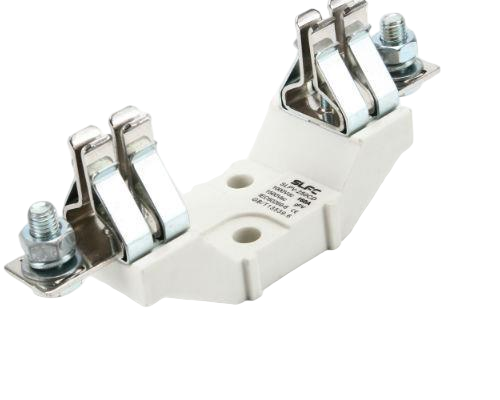
The physical design of the inverter also matters. Some inverters have built - in fuse holders, while others require external fuse holders. Our PV Fuse Holder is designed to work with a variety of solar setups. It provides a secure and reliable way to install the fuses, whether they're for an inverter with an external fuse - mounting requirement or for additional protection in a system.
Moreover, the application environment can affect compatibility. Solar installations can be in different climates and locations. For example, a solar farm in a desert area might experience high temperatures, while an installation in a coastal area could be exposed to saltwater and humidity. These environmental factors can impact the performance of both the inverter and the fuse. TUV Solar Fuses are designed to withstand certain environmental conditions, but it's important to make sure that the fuse's environmental ratings match those of the inverter.

Now, you might be wondering how to choose the right TUV Solar Fuse for your solar inverter. The first step is to check the inverter's datasheet. It will have all the information about the inverter's electrical ratings, recommended fuse ratings, and any specific requirements for fuse compatibility. You can also consult with a solar system designer or an electrical engineer. They have the expertise to analyze your system and recommend the most suitable fuses.
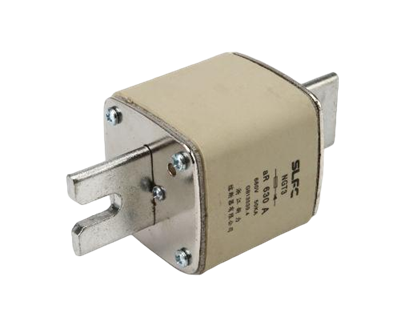
At our company, we offer a wide range of TUV Solar Fuses, including the NH PV Fuse. These fuses are known for their high - quality construction and reliable performance. They're designed to meet the diverse needs of different solar inverters and solar systems.
In conclusion, while TUV Solar Fuses are a great choice for solar system protection, they're not one - size - fits - all when it comes to compatibility with solar inverters. It's essential to consider the electrical ratings, inverter technology, physical design, and application environment when selecting the right fuse.
If you're in the process of setting up a solar system or need to replace fuses in an existing one, don't hesitate to reach out. We're here to help you find the perfect TUV Solar Fuses for your solar inverters. Whether you have questions about compatibility, need advice on fuse selection, or want to place an order, we're just a message away. Let's work together to ensure the safety and efficiency of your solar installation.
References
- Solar Inverter Installation and Maintenance Guides
- TUV Certification Standards for Solar Fuses
- Industry Research on Solar System Components Compatibility