


Hey there, solar enthusiasts! As a supplier of solar fuse links, I often get asked a bunch of questions about using our products in different situations. One question that comes up quite a bit is, "Can a solar fuse link be used in high - altitude solar installations?" Well, let's dig into this topic and find out.
First off, let's understand what high - altitude solar installations are all about. High - altitude areas, like mountains or plateaus, have some unique environmental conditions compared to low - lying areas. The air is thinner up there, which means there's less air pressure. The temperature can also vary more drastically, with colder nights and potentially very sunny days. And there might be more exposure to UV radiation due to the thinner atmosphere.
Now, when it comes to solar fuse links, their main job is to protect the solar system from over - current situations. They're like the guardians of the electrical circuit in a solar setup. If there's too much current flowing through the system, the fuse link will blow, cutting off the circuit and preventing damage to the other components.
So, can they work in high - altitude areas? The short answer is yes, but there are some things to keep in mind.
Air Pressure and Arc Extinction
One of the key factors affected by high - altitude conditions is air pressure. In a normal fuse link operation, when the fuse blows, an arc is formed. The air around the fuse helps to extinguish this arc. At high altitudes, the thinner air means there are fewer air molecules to assist in arc extinction. This can potentially lead to a longer - lasting arc, which might cause more damage to the fuse and the surrounding components.
However, modern solar fuse links are designed to take this into account. Many of our 1000VDC Fuse models are engineered with special arc - quenching materials and designs. These features help to ensure that the arc is extinguished quickly, even in low - pressure environments. For example, some fuses use ceramic materials that can withstand high temperatures and help to dissipate the energy of the arc more effectively.
Temperature Variations
High - altitude areas often experience large temperature swings. During the day, the sun beats down on the solar panels, heating up the entire system. At night, the temperature can drop significantly. These temperature changes can affect the performance of the fuse link.
When the temperature is high, the resistance of the fuse link might increase slightly. This could potentially lead to a situation where the fuse blows at a lower current than its rated value. On the other hand, in cold temperatures, the fuse link might become more brittle, increasing the risk of mechanical damage.
Our NH PV Fuse products are designed to handle a wide range of temperatures. They're made from materials that have good thermal stability, which means they can maintain their electrical properties even when the temperature fluctuates. We also test our fuses under different temperature conditions to ensure that they perform reliably in high - altitude environments.
UV Radiation
Another aspect of high - altitude solar installations is the increased exposure to UV radiation. UV rays can degrade the materials used in the fuse link over time. The outer casing of the fuse, as well as any insulating materials, might start to break down, leading to potential electrical shorts or other issues.
To combat this, we use UV - resistant materials in our DC Fuse for Solar products. These materials are specially formulated to withstand the harsh effects of UV radiation, ensuring that the fuse link remains in good condition for a long time.
Installation and Maintenance
Even with all these design features, proper installation and maintenance are crucial for the successful use of solar fuse links in high - altitude areas. During installation, it's important to make sure that the fuse is mounted correctly and that all the connections are tight. Loose connections can lead to increased resistance, which can cause the fuse to overheat and blow prematurely.

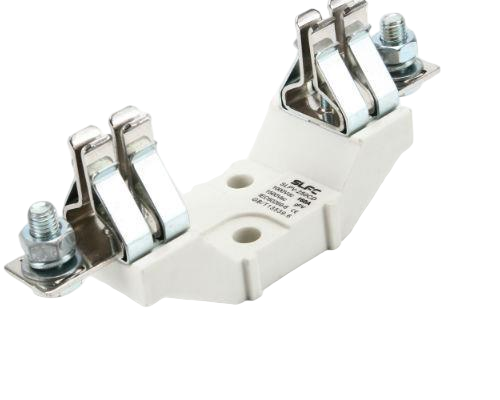
Regular maintenance is also essential. Inspect the fuse links periodically for any signs of damage, such as cracks or discoloration. Check the connections to ensure they're still secure. And if you notice any abnormal behavior in the solar system, like frequent fuse blowing, it's important to investigate the cause right away.
Cost - Benefit Analysis
Now, you might be wondering if it's worth using solar fuse links in high - altitude installations. Well, let's think about the alternative. Without a proper fuse link, the risk of damage to the solar panels, inverters, and other components is much higher. A single electrical fault could lead to costly repairs or even the need to replace the entire system.
Our solar fuse links are a relatively inexpensive way to protect your high - altitude solar installation. The cost of a fuse link is a small fraction of the cost of the overall solar system. And considering the peace of mind and protection they provide, it's definitely a smart investment.
Conclusion
In conclusion, solar fuse links can definitely be used in high - altitude solar installations. With the right design features to handle the unique environmental conditions, proper installation, and regular maintenance, they can provide reliable protection for your solar system.
If you're planning a high - altitude solar project or need to replace the fuse links in an existing installation, we've got you covered. Our team of experts is always ready to help you choose the right fuse link for your specific needs. Whether it's the 1000VDC Fuse, NH PV Fuse, or DC Fuse for Solar, we have a wide range of products to suit different requirements.
If you're interested in learning more or want to start a procurement discussion, feel free to reach out. We're here to make sure your solar project is a success.
References
- International Electrotechnical Commission (IEC) standards on fuses and electrical safety in solar installations.
- Technical literature from leading solar component manufacturers on high - altitude operation.


