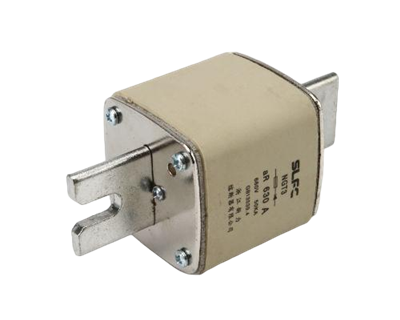
Hey there! As a supplier of EV Fuse Holders, I often get asked a pretty interesting question: Can an EV Fuse Holder be used in electric boats? Well, let's dive right into this topic and find out.
First off, let's understand what an EV Fuse Holder is. An Electric Vehicle Fuse Holder is a crucial component in electric vehicles. Its main job is to hold the fuse in place and provide a safe and reliable connection. The fuse, as we all know, is like a safety valve in an electrical circuit. It breaks the circuit when there's an over - current situation, preventing damage to the electrical system and potential fire hazards.
Now, when it comes to electric boats, they have their own unique electrical systems. Electric boats rely on batteries to power their motors and other electrical equipment on board. Just like in electric vehicles, these electrical systems need protection from over - currents. So, in theory, an EV Fuse Holder could potentially be used in an electric boat.
One of the key considerations is the electrical requirements. Electric boats can have different voltage and current ratings compared to electric vehicles. For example, some small electric boats might operate at a relatively low voltage, say 12V or 24V, while larger ones could go up to 48V or even higher. An EV Fuse Holder needs to be able to handle the specific voltage and current of the electric boat's electrical system. If the fuse holder can't handle the voltage or current, it might overheat, leading to a failure and potentially endangering the boat's electrical system.
Another important factor is the environment. Electric boats operate in a marine environment, which is quite different from the environment where electric vehicles are used. The marine environment is characterized by high humidity, saltwater exposure, and vibrations. These conditions can be harsh on electrical components. EV Fuse Holders are typically designed for use in electric vehicles, where the environment is relatively more controlled. They might not be fully resistant to the corrosive effects of saltwater. If saltwater gets into the fuse holder, it can cause corrosion, which can lead to poor electrical connections and even short - circuits.
However, if the EV Fuse Holder is properly protected, it could still work in an electric boat. For example, using a waterproof enclosure for the fuse holder can help protect it from water and humidity. Also, choosing a fuse holder made from materials that are more resistant to corrosion can improve its durability in a marine environment.
Let's talk about the installation process. Installing an EV Fuse Holder in an electric boat requires some technical knowledge. The fuse holder needs to be installed in a location where it's easily accessible for maintenance and replacement of fuses. It also needs to be securely mounted to prevent vibrations from loosening the connections. In addition, the wiring needs to be properly sized and connected to ensure a good electrical connection.


Now, let's consider the cost - effectiveness. Using an EV Fuse Holder in an electric boat might be a cost - effective solution, especially if you already have access to these fuse holders. Instead of looking for specialized marine fuse holders, which can sometimes be more expensive, an EV Fuse Holder could do the job if it meets the requirements. However, you need to factor in the cost of any additional protection measures, such as waterproof enclosures.
In terms of safety standards, electric boats are subject to specific safety regulations. These regulations are in place to ensure the safety of passengers and the boat itself. When using an EV Fuse Holder in an electric boat, you need to make sure that it complies with these safety standards. Some safety standards might require specific types of fuse holders or additional safety features.
If you're thinking about using an EV Fuse Holder in your electric boat, here are some steps you can take. First, assess the electrical requirements of your boat. Check the voltage and current ratings of your boat's electrical system and make sure the fuse holder can handle them. Second, consider the environmental conditions. If you're in a saltwater area, look for ways to protect the fuse holder from corrosion. Third, consult with a professional electrician or a marine technician. They can provide valuable advice on the installation and safety of using an EV Fuse Holder in your boat.
As a supplier of EV Fuse Holders, I can offer a range of products that might be suitable for electric boats. Our fuse holders are designed to be reliable and of high quality. We also have Electric Vehicle Fuse Bases that can work in conjunction with the fuse holders.
If you're interested in exploring the possibility of using our EV Fuse Holders in your electric boats, I encourage you to reach out to us for a detailed discussion. We can help you determine which fuse holder is the best fit for your specific needs. Whether you're building a new electric boat or looking to upgrade the electrical system of an existing one, we're here to assist you. Contact us to start the procurement negotiation process, and let's work together to ensure the safety and reliability of your electric boat's electrical system.
References
- General knowledge of electrical systems in electric vehicles and boats
- Industry standards for electrical components in marine and automotive applications