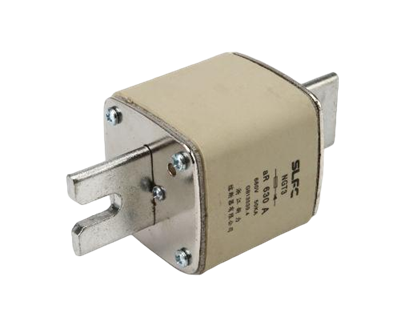
In the realm of electrical engineering, the selection of appropriate fuses for power - supply circuits is a critical decision that can significantly impact the safety and performance of the entire system. As a dedicated GPV Fuse supplier, I am often asked whether GPV Fuses can be used in power - supply circuits. In this blog post, I will delve into the characteristics of GPV Fuses, their suitability for power - supply circuits, and related aspects.
Understanding GPV Fuses
GPV Fuses are specifically designed for photovoltaic (PV) applications. They are engineered to handle the unique electrical characteristics associated with solar power systems. These fuses are built to protect PV modules, inverters, and other components from over - current situations. The "GPV" in their name typically refers to their application in the field of grid - connected photovoltaic systems.
One of the key features of GPV Fuses is their ability to withstand high DC voltages. Solar power systems often operate at relatively high DC voltages, such as 500V or 1000V. GPV Fuses are rated to handle these high - voltage conditions safely. For example, our DC1000V TUV RoHS GPV Fuse Holder Base is designed to work seamlessly with GPV Fuses at 1000V, providing a reliable mounting solution while maintaining electrical safety.
Another important characteristic is their fast - acting nature. In a PV system, an over - current event can occur suddenly due to various reasons, such as a short - circuit in a PV module or a fault in the inverter. GPV Fuses are designed to quickly interrupt the circuit when an over - current condition is detected, thereby protecting the valuable components in the system from damage.
Can GPV Fuses be Used in Power - Supply Circuits?
The answer to whether GPV Fuses can be used in power - supply circuits is not a simple yes or no. It depends on several factors related to the specific power - supply circuit in question.
Suitability in DC Power - Supply Circuits
In DC power - supply circuits, especially those with characteristics similar to PV systems, GPV Fuses can be a viable option. For instance, if the power - supply circuit operates at high DC voltages (comparable to PV system voltages like 500V or 1000V) and requires fast - acting over - current protection, GPV Fuses can offer the necessary protection.
Let's consider a DC power - supply circuit used in a large - scale battery energy storage system. These systems often operate at high DC voltages and need to be protected from over - current events that could damage the batteries or other components. Similar to PV systems, the over - current protection requirements in such battery energy storage systems are quite strict. GPV Fuses, with their high - voltage rating and fast - acting capabilities, can be used to safeguard these circuits.
However, it's important to note that the current - carrying capacity of the GPV Fuse must be carefully matched to the requirements of the power - supply circuit. If the fuse rating is too low, it may blow prematurely, causing unnecessary downtime. On the other hand, if the rating is too high, it may not provide adequate protection during an over - current event.
Limitations in AC Power - Supply Circuits
When it comes to AC power - supply circuits, GPV Fuses are generally not the first choice. The electrical characteristics of AC and DC circuits are quite different. AC circuits have alternating current and voltage waveforms, and the behavior of fuses in AC circuits is influenced by factors such as the frequency of the AC signal.
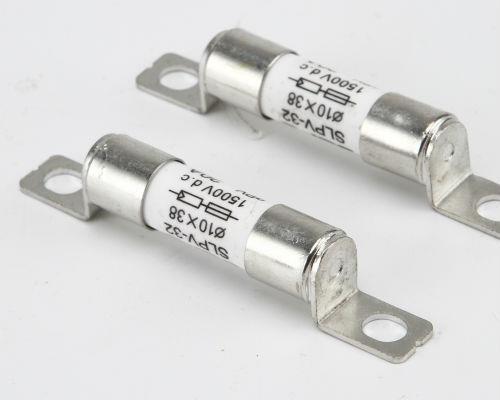
GPV Fuses are optimized for DC applications and may not perform as effectively in AC circuits. For example, the arc - quenching mechanism in GPV Fuses is designed for DC conditions. In an AC circuit, the arc behavior is more complex due to the alternating nature of the current, and a fuse specifically designed for AC circuits may be required to ensure reliable operation.

Complementary Products for GPV Fuses in Power - Supply Circuits
In addition to GPV Fuses themselves, there are several complementary products that can enhance their performance in power - supply circuits.
Fuse Holders
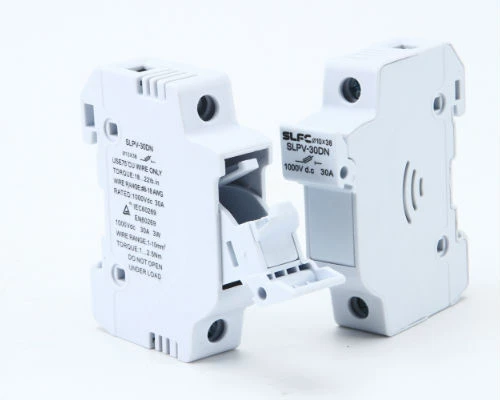
Fuse holders play a crucial role in ensuring the proper installation and operation of GPV Fuses. Our DC500V Solar Fuse Holder is designed to securely hold GPV Fuses in place, providing electrical insulation and mechanical stability. A good fuse holder also facilitates easy replacement of fuses when needed, reducing maintenance time and costs.
Bolted Photovoltaic Fuses
Bolted fuses offer a more robust connection compared to some other types of fuses. Our Bolted Photovoltaic Fuse is designed for applications where a secure and reliable electrical connection is essential. In power - supply circuits, especially those with high - current requirements, bolted fuses can provide a more stable and long - lasting solution.
Considerations for Using GPV Fuses in Power - Supply Circuits
When considering using GPV Fuses in power - supply circuits, the following factors should be taken into account:
Voltage Rating
As mentioned earlier, the voltage rating of the GPV Fuse must match the voltage of the power - supply circuit. Using a fuse with a lower voltage rating can lead to insulation breakdown and potential safety hazards.
Current Rating
The current rating of the fuse should be selected based on the normal operating current of the power - supply circuit and the maximum over - current that the circuit may experience. It's important to consult the circuit design specifications and consider factors such as inrush currents and load variations.
Environmental Conditions
The environmental conditions in which the power - supply circuit operates can also affect the performance of GPV Fuses. Factors such as temperature, humidity, and vibration can impact the fuse's lifespan and reliability. For example, high temperatures can cause the fuse element to degrade more quickly, so it may be necessary to select a fuse with a higher temperature rating in hot environments.
Conclusion
In conclusion, GPV Fuses can be used in certain types of power - supply circuits, particularly those with high DC voltage requirements and a need for fast - acting over - current protection. However, careful consideration must be given to the specific characteristics of the power - supply circuit, including voltage, current, and environmental conditions.
As a GPV Fuse supplier, we offer a wide range of high - quality GPV Fuses and related products, such as fuse holders and bolted fuses, to meet the diverse needs of power - supply circuits. If you are interested in learning more about how our GPV Fuses can be integrated into your power - supply circuits or have any questions regarding product selection, we encourage you to contact us for further discussion and potential procurement. We are committed to providing you with the best solutions for your electrical protection needs.
References
- "Handbook of Electrical Protection and Switchgear", McGraw - Hill Professional
- "Photovoltaic Systems Engineering", Wiley