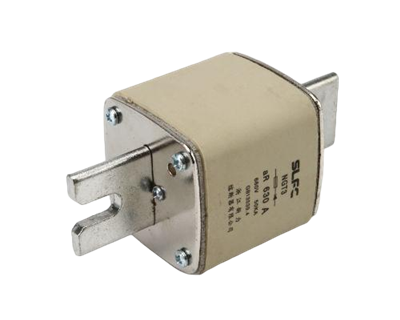
In the realm of electrical protection, fuses play a crucial role in safeguarding circuits from overcurrent situations. As a leading supplier of RS3 Fuses, I often encounter inquiries regarding the suitability of RS3 Fuses for automotive applications. This blog post aims to delve into this topic, exploring the technical aspects, advantages, and potential limitations of using RS3 Fuses in the automotive industry.
Understanding RS3 Fuses
RS3 Fuses are a type of high - performance fuse known for their fast - acting characteristics. These fuses are designed to interrupt the circuit rapidly when an overcurrent event occurs, thereby protecting the electrical components from damage. The RS3 Fast Fuse is engineered to provide reliable protection in a variety of electrical systems.
The construction of RS3 Fuses typically involves a fuse element enclosed in a ceramic or glass body. The fuse element is carefully calibrated to melt at a specific current level, which is known as the rated current. When the current flowing through the fuse exceeds this rated value, the fuse element melts, creating an open circuit and stopping the flow of electricity.
Automotive Electrical Systems: A Complex Landscape
Automotive electrical systems are becoming increasingly complex with the integration of advanced technologies such as infotainment systems, driver - assistance features, and electric powertrains. These systems rely on a network of electrical circuits that carry different levels of current, from low - power signals to high - power loads.


The electrical demands in modern vehicles vary widely. For example, a simple interior light may draw only a few milliamperes of current, while an electric power steering system or a high - end audio amplifier can consume several amperes. Therefore, the selection of appropriate fuses is critical to ensure the safety and reliability of the entire electrical system.
Advantages of Using RS3 Fuses in Automotive Applications
Fast - Acting Protection
One of the primary advantages of RS3 Fuses is their fast - acting nature. In automotive applications, where electrical faults can occur suddenly and cause significant damage, a fast - acting fuse can quickly isolate the faulty circuit. For instance, in the event of a short - circuit in an automotive lighting system, an RS3 Fuse can blow within milliseconds, preventing excessive current from flowing and potentially causing a fire or damaging other components.
High Breaking Capacity
Automotive electrical systems can experience high - current surges during startup or in the event of a fault. RS3 Fuses are designed with a high breaking capacity, which means they can safely interrupt high - current circuits without causing arcing or other dangerous conditions. This is particularly important in automotive applications, where the electrical system may be exposed to high - energy transients.
Compact Size
Space is often at a premium in automotive applications. RS3 Fuses are relatively compact, making them suitable for use in tight spaces within the vehicle. Their small size allows for efficient packaging of electrical components, which is essential for modern vehicle design.
Considerations and Limitations
Temperature Sensitivity
Automotive environments can be subject to wide temperature variations, from extreme cold in winter to high heat in summer. RS3 Fuses can be sensitive to temperature changes, which may affect their performance. At high temperatures, the fuse element may have a lower melting point, which could lead to premature blowing. Conversely, at low temperatures, the fuse may require a higher current to blow. Therefore, it is important to select RS3 Fuses with appropriate temperature ratings for automotive applications.
Compatibility with Automotive Standards
Automotive electrical systems are subject to strict safety and performance standards. Before using RS3 Fuses in automotive applications, it is necessary to ensure that they comply with relevant automotive standards such as ISO 8820 - 1 (Automotive - Low - voltage fuses - Part 1: Definitions, requirements and tests). This ensures that the fuses meet the quality and safety requirements of the automotive industry.
Comparing RS3 Fuses with Other Automotive Fuses
RS0 Fuses
RS0 Fuses are another type of fuse commonly used in automotive applications. While both RS0 and RS3 Fuses are designed for overcurrent protection, they have some differences. RS0 Fuses generally have a lower breaking capacity compared to RS3 Fuses. However, RS0 Fuses may be more suitable for applications with lower current requirements. For example, in some older vehicles with simpler electrical systems, RS0 Fuses may be sufficient to provide the necessary protection.
Other Automotive - Specific Fuses
There are also other types of automotive - specific fuses, such as blade fuses and cartridge fuses. Blade fuses are widely used in automotive applications due to their ease of installation and replacement. Cartridge fuses, on the other hand, are often used for higher - current applications. When comparing RS3 Fuses with these fuses, it is important to consider factors such as current rating, breaking capacity, and physical size.
Case Studies: RS3 Fuses in Automotive Applications
Electric Vehicle (EV) Battery Management Systems
In electric vehicles, the battery management system (BMS) is a critical component that monitors and controls the charging and discharging of the battery. The BMS uses a network of electrical circuits to ensure the safety and efficiency of the battery. RS3 Fuses can be used in the BMS to protect the circuits from overcurrent events. For example, if there is a short - circuit in the battery pack, an RS3 Fuse can quickly isolate the faulty circuit, preventing damage to the battery and other components.
Advanced Driver - Assistance Systems (ADAS)
ADAS features such as adaptive cruise control, lane - keeping assist, and automatic emergency braking rely on a complex network of sensors and control units. These systems require reliable electrical protection to ensure their proper functioning. RS3 Fuses can be used to protect the electrical circuits in ADAS, providing fast - acting protection in case of a fault.
Conclusion
In conclusion, RS3 Fuses can be a viable option for automotive applications. Their fast - acting protection, high breaking capacity, and compact size make them suitable for use in a variety of automotive electrical systems. However, it is important to consider factors such as temperature sensitivity and compatibility with automotive standards.
As a supplier of RS3 Fuse Link, we are committed to providing high - quality RS3 Fuses that meet the specific needs of the automotive industry. If you are interested in learning more about our products or have any questions regarding the use of RS3 Fuses in your automotive applications, we encourage you to contact us for a detailed discussion. Our team of experts is ready to assist you in selecting the right fuses for your projects.
References
- ISO 8820 - 1: Automotive - Low - voltage fuses - Part 1: Definitions, requirements and tests
- Automotive Electrical System Design Manuals
- Technical Datasheets of RS3 Fuses and Related Automotive Fuses