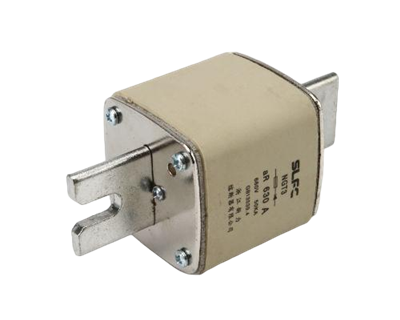
Hey there! As a supplier of RT14 fuses, I often get asked a bunch of questions, and one that pops up quite a bit is, "Can RT14 Fuse be used in high - voltage circuits?" Well, let's dig into this topic and find out.
First off, let's understand what an RT14 fuse is. RT14 fuses are commonly used in various electrical applications. They're known for their reliability and are designed to protect electrical equipment from over - current situations. These fuses come in different ratings and are used in a wide range of industries, from manufacturing to residential electrical systems.
Now, when it comes to high - voltage circuits, things get a bit more complicated. High - voltage circuits typically operate at voltages above 1000 volts, and they require specialized protection devices. The main concern here is whether the RT14 fuse can handle the high voltage and interrupt the circuit safely when an over - current occurs.
One of the key factors to consider is the voltage rating of the RT14 fuse. Each RT14 fuse has a specific voltage rating, which indicates the maximum voltage it can safely handle. For example, some RT14 fuses are rated for low - voltage applications, usually around 250 volts or 600 volts. If you try to use a low - voltage rated RT14 fuse in a high - voltage circuit, it's likely to fail catastrophically. The fuse might not be able to interrupt the high - voltage current properly, leading to arcing, damage to the fuse, and potentially causing a safety hazard.


However, there are some RT14 fuses that are designed for higher voltage applications. These fuses have a higher voltage rating and are built with special materials and designs to handle the increased electrical stress. But even then, you need to be extremely careful. High - voltage circuits have unique characteristics, such as high - frequency transients and large fault currents. The RT14 fuse needs to be able to withstand these conditions without breaking down.
Another aspect to think about is the interrupting rating of the fuse. The interrupting rating is the maximum current that the fuse can safely interrupt without causing an explosion or other dangerous situations. In high - voltage circuits, fault currents can be extremely large, and the RT14 fuse must have a high enough interrupting rating to handle these currents. If the interrupting rating is too low, the fuse might not be able to clear the fault, and this can lead to serious damage to the electrical system.
Let's talk about some of the specific models of RT14 fuses and their suitability for high - voltage circuits. The RT14 - 63 Fuse Base is a popular option. It's designed to hold a 63 - amp fuse. This base is commonly used in medium - voltage applications, but for high - voltage circuits, you need to make sure that the fuse inserted in it has the appropriate voltage and interrupting ratings.
Similarly, the RT14 - 32 Fuse Holder is used for 32 - amp fuses. Again, while it's a reliable component, using it in a high - voltage circuit requires careful consideration of the fuse's specifications. The RT14 - 20 Base is another option, and just like the others, it needs to be paired with a fuse that can handle the high - voltage environment.
In some cases, it might be possible to use an RT14 fuse in a high - voltage circuit if all the conditions are right. But it's not something you should do without proper knowledge and expertise. You need to consult with an electrical engineer or an expert in high - voltage systems. They can help you select the right RT14 fuse with the correct voltage and interrupting ratings for your specific high - voltage application.
It's also important to note that using the wrong fuse in a high - voltage circuit can void the warranty of your electrical equipment and can even put people's lives at risk. So, always err on the side of caution.
If you're still unsure whether an RT14 fuse is suitable for your high - voltage circuit, don't hesitate to reach out to us. As a supplier of RT14 fuses, we have a team of experts who can provide you with detailed information and guidance. We can help you select the right fuse for your needs and ensure that it meets all the safety and performance requirements.
Whether you're working on a small high - voltage project or a large industrial installation, we're here to assist you. We understand the importance of using the right components in high - voltage circuits, and we're committed to providing you with the best products and support.
In conclusion, while it's possible in some cases to use an RT14 fuse in a high - voltage circuit, it's a complex decision that requires careful consideration of the fuse's voltage rating, interrupting rating, and other factors. Don't take chances with high - voltage systems. Contact us today to discuss your requirements and let us help you find the perfect RT14 fuse solution for your high - voltage application.
References:
- Electrical Engineering Handbook, Third Edition
- National Electrical Code (NEC)
- Fuse Manufacturer's Technical Documentation