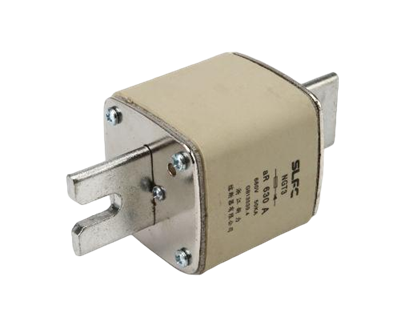
As a supplier of RT18 - 125 Fuse, I often encounter inquiries from customers regarding the applicability of this fuse in high - voltage circuits. In this blog, I will delve into this topic, providing a comprehensive analysis based on scientific knowledge and practical experience.
Understanding the RT18 - 125 Fuse
The RT18 - 125 Fuse is a well - known type of fuse in the electrical protection field. It is designed to provide over - current protection for electrical circuits. This fuse has specific characteristics in terms of its rated current, breaking capacity, and physical dimensions. The rated current of the RT18 - 125 Fuse can vary, and it is typically used in a wide range of electrical systems.
The physical design of the RT18 - 125 Fuse is optimized for easy installation and replacement. For more information about its holder, you can visit the RT18 - 125 Fuse Holder page. The holder is an important part of the fuse system, ensuring proper connection and heat dissipation.
Characteristics of High - Voltage Circuits
High - voltage circuits are defined by their relatively high operating voltages, usually above a certain threshold. These circuits are commonly found in power transmission and distribution systems, industrial facilities, and some specialized electrical equipment. High - voltage circuits have unique requirements for protection devices due to the high energy levels involved.
One of the key requirements for fuses in high - voltage circuits is the ability to withstand high - voltage stresses without breaking down. When a fault occurs in a high - voltage circuit, a large amount of energy is released, and the fuse must be able to interrupt the circuit safely and quickly to prevent damage to the equipment and ensure the safety of the system.
Analyzing the Suitability of RT18 - 125 Fuse in High - Voltage Circuits
Voltage Rating
The first aspect to consider is the voltage rating of the RT18 - 125 Fuse. The voltage rating of a fuse indicates the maximum voltage that the fuse can safely interrupt under specified conditions. The RT18 - 125 Fuse is generally designed for low - to medium - voltage applications. Its voltage rating is usually not sufficient to handle the high voltages present in high - voltage circuits.
For example, in a high - voltage power transmission line, the voltage can reach hundreds of kilovolts, while the RT18 - 125 Fuse may have a voltage rating in the range of a few hundred volts. If this fuse is used in a high - voltage circuit, there is a high risk of electrical breakdown, which can lead to short - circuits and other serious problems.


Breaking Capacity
Breaking capacity is another crucial factor. In high - voltage circuits, when a short - circuit occurs, the fault current can be extremely large. The fuse must be able to interrupt this large current without causing an explosion or other dangerous situations. The RT18 - 125 Fuse is designed for relatively lower fault currents compared to those in high - voltage circuits.
The breaking capacity of a fuse is related to its physical construction and the materials used. High - voltage fuses are specifically designed with features such as special arc - quenching materials and larger physical sizes to handle high - current interruptions. The RT18 - 125 Fuse may not have the necessary design features to interrupt high - fault currents in high - voltage circuits safely.
Insulation and Safety
In high - voltage circuits, proper insulation is essential to prevent electrical leakage and ensure the safety of the system. The insulation materials and design of the RT18 - 125 Fuse are optimized for lower - voltage applications. Using it in a high - voltage environment may result in insufficient insulation, which can pose a significant safety hazard.
Alternatives for High - Voltage Circuits
If you are dealing with high - voltage circuits, there are specialized high - voltage fuses available in the market. These fuses are designed to meet the specific requirements of high - voltage applications, including high - voltage ratings, large breaking capacities, and proper insulation.
However, for low - to medium - voltage circuits, the RT18 - 125 Fuse remains a reliable choice. It offers good over - current protection and is cost - effective. For those interested in a specific type of fuse related to the RT18 - 125 series, the 22*58 Fuse provides additional options for different circuit requirements.
Conclusion
In conclusion, the RT18 - 125 Fuse is not suitable for use in high - voltage circuits. Its voltage rating, breaking capacity, and insulation characteristics are designed for low - to medium - voltage applications. Using it in high - voltage circuits can lead to safety risks and system failures.
As a supplier of RT18 - 125 Fuse, I am committed to providing high - quality products for the appropriate applications. If you have any needs for low - to medium - voltage circuit protection, our RT18 - 125 Fuse series can offer reliable solutions. We welcome you to contact us for more information and to discuss your specific procurement needs. Whether you are looking for the RT18 - 125 Fuse itself or related accessories like the fuse holder, we are here to assist you.
References
- Electrical Engineering Handbook, Third Edition, CRC Press
- Standards for Fuse Design and Application, International Electrotechnical Commission (IEC)