


In the realm of electrical engineering, the selection of appropriate components is crucial for the safety and efficiency of any circuit. One such component that often comes under scrutiny is the fuse, a simple yet vital device designed to protect electrical circuits from overcurrent situations. As a trusted supplier of RT18 - 32 Fuses, I am frequently asked whether these fuses can be used in battery charging circuits. In this blog post, I will delve into the technical aspects of the RT18 - 32 Fuse and analyze its suitability for battery charging applications.
Understanding the RT18 - 32 Fuse
The RT18 - 32 Fuse is a type of high - breaking - capacity fuse commonly used in various electrical systems. It is designed to interrupt the circuit when the current exceeds a predefined value, thereby preventing damage to the electrical equipment and reducing the risk of fire. The "RT18" indicates the fuse series, while "32" typically refers to its rated current capacity. These fuses are known for their reliable performance, fast - acting characteristics, and ability to handle high - fault currents.
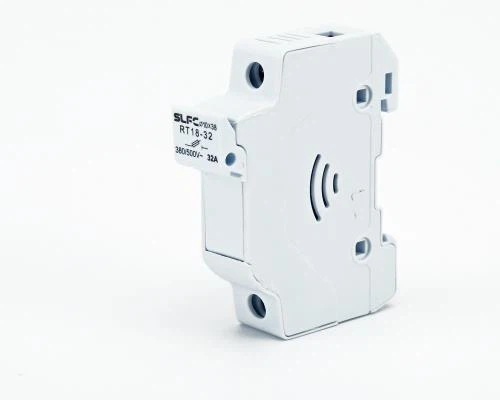

The construction of the RT18 - 32 Fuse involves a fuse element made of a metal alloy with a low melting point. When the current flowing through the fuse exceeds its rated value, the heat generated by the electrical resistance causes the fuse element to melt, breaking the circuit. This process is known as "blowing" the fuse.
Battery Charging Circuits: A Brief Overview
Battery charging circuits are designed to provide a controlled amount of electrical energy to recharge a battery. The charging process involves several stages, including constant - current charging, constant - voltage charging, and sometimes a trickle - charging phase. During the charging process, the current and voltage levels need to be carefully regulated to ensure the safety and longevity of the battery.
Overcharging a battery can lead to various problems, such as overheating, electrolyte leakage, and reduced battery life. On the other hand, undercharging can result in incomplete charging and reduced battery capacity. Therefore, a reliable protection mechanism is essential in battery charging circuits to prevent overcurrent and overvoltage situations.
Suitability of RT18 - 32 Fuse in Battery Charging Circuits
Advantages
- Overcurrent Protection: One of the primary functions of the RT18 - 32 Fuse in a battery charging circuit is to provide overcurrent protection. If there is a short - circuit or a malfunction in the charging circuit that causes the current to exceed the rated value of the fuse, the fuse will blow, interrupting the circuit and preventing damage to the battery and other components.
- Fast - Acting Characteristics: The fast - acting nature of the RT18 - 32 Fuse is beneficial in battery charging circuits. In the event of a sudden surge in current, the fuse can quickly interrupt the circuit, minimizing the damage caused by the overcurrent.
- High - Breaking - Capacity: Battery charging circuits may experience high - fault currents in case of a short - circuit. The high - breaking - capacity of the RT18 - 32 Fuse allows it to safely interrupt these high currents without causing excessive arcing or damage to the fuse itself.
Considerations
- Rated Current Selection: Selecting the appropriate rated current for the RT18 - 32 Fuse in a battery charging circuit is crucial. The rated current of the fuse should be slightly higher than the normal charging current of the battery to avoid unnecessary fuse blowing during normal operation. However, it should be low enough to blow in case of an overcurrent situation.
- Voltage Rating: The voltage rating of the RT18 - 32 Fuse should also be considered. It should be equal to or higher than the maximum voltage that can be present in the battery charging circuit. Using a fuse with a lower voltage rating can lead to arcing and premature failure of the fuse.
- Ambient Temperature: The ambient temperature can affect the performance of the RT18 - 32 Fuse. In high - temperature environments, the fuse may blow at a lower current than its rated value. Therefore, it is important to consider the ambient temperature when selecting the fuse and ensure that it is suitable for the operating conditions.
Complementary Components for RT18 - 32 Fuse in Battery Charging Circuits
To ensure the proper functioning of the RT18 - 32 Fuse in a battery charging circuit, complementary components such as fuse holders and bases are required.
- RT18 - 32 Fuse Holder Base: This component provides a secure and stable mounting for the RT18 - 32 Fuse. It ensures good electrical contact and mechanical stability, which are essential for the reliable operation of the fuse.
- RT18 - 32 1P Fuse Holder: The 1P fuse holder is designed to hold a single RT18 - 32 Fuse. It is easy to install and provides a convenient way to replace the fuse when needed.
- RT18 - 32 1P Fuse Base: The fuse base is an important part of the fuse assembly. It provides a connection point for the fuse and the electrical circuit, ensuring proper current flow and protection.
Real - World Applications and Case Studies
In many real - world battery charging applications, the RT18 - 32 Fuse has proven to be a reliable choice. For example, in electric vehicle (EV) charging stations, the RT18 - 32 Fuse is used to protect the charging circuit from overcurrent situations. The high - breaking - capacity and fast - acting characteristics of the fuse ensure the safety of the charging equipment and the EV battery.
In solar battery charging systems, the RT18 - 32 Fuse is also commonly used. These systems are often exposed to various environmental conditions, and the fuse provides a reliable protection mechanism against overcurrent caused by short - circuits or other malfunctions.
Conclusion
In conclusion, the RT18 - 32 Fuse can be used in battery charging circuits, provided that the appropriate rated current and voltage are selected, and the operating conditions are considered. Its overcurrent protection capabilities, fast - acting characteristics, and high - breaking - capacity make it a suitable choice for many battery charging applications.
If you are in the market for high - quality RT18 - 32 Fuses, fuse holders, or fuse bases for your battery charging circuits, we are here to help. Our products are designed to meet the highest standards of quality and reliability. Contact us today to discuss your specific requirements and start a procurement negotiation.
References
- Electrical Engineering Handbook, Third Edition, edited by Richard C. Dorf
- Battery Charging Handbook, by John A. Kershaw
- Fuse Selection Guide, published by a leading electrical component manufacturer.


