As a supplier of RT18 - 32 Fuses, I often encounter inquiries from customers regarding the suitability of these fuses for marine electrical systems. This blog aims to comprehensively explore whether RT18 - 32 Fuses can be used in such environments, taking into account various factors such as safety, performance, and compliance.
Understanding Marine Electrical Systems
Marine electrical systems are unique in their requirements due to the harsh operating conditions they face. These systems are exposed to high humidity, saltwater corrosion, vibrations, and extreme temperature variations. All electrical components used in marine applications must be able to withstand these challenging conditions to ensure reliable and safe operation.
Safety is of utmost importance in marine electrical systems. Electrical faults can lead to fires, which are particularly dangerous on boats and ships. Therefore, fuses play a crucial role in protecting the electrical circuits from overcurrent situations. They are designed to break the circuit when the current exceeds a certain level, preventing damage to the equipment and reducing the risk of fire.
Features of RT18 - 32 Fuses
RT18 - 32 Fuses are a type of miniature fuse that offers several features that make them potentially suitable for marine electrical systems. Firstly, they have a compact design, which is beneficial in marine applications where space is often limited. Their small size allows for easy installation in tight spaces, such as control panels and electrical boxes on boats.
These fuses also provide reliable overcurrent protection. They are available in a range of current ratings, allowing users to select the appropriate fuse for their specific electrical circuit requirements. The RT18 - 32 Fuses are designed to quickly interrupt the circuit when an overcurrent occurs, minimizing the damage to the connected equipment.
In addition, RT18 - 32 Fuses are known for their high breaking capacity. This means that they can safely interrupt high - fault currents without causing excessive arcing or damage to the fuse itself. A high breaking capacity is essential in marine electrical systems, where short - circuits can generate large amounts of current.
Considerations for Using RT18 - 32 Fuses in Marine Electrical Systems
While RT18 - 32 Fuses have many positive features, there are also some important considerations when using them in marine environments.
Corrosion Resistance
One of the main challenges in marine applications is corrosion. Saltwater can cause rapid corrosion of electrical components, leading to reduced performance and reliability. RT18 - 32 Fuses need to have adequate corrosion resistance to ensure long - term operation in a marine environment. Some RT18 - 32 Fuses are coated with anti - corrosion materials, which can help protect them from the effects of saltwater. However, it is still important to ensure proper installation and maintenance to prevent corrosion.
Vibration Resistance
Boats and ships are subject to constant vibrations, which can affect the performance of electrical components. RT18 - 32 Fuses should be able to withstand these vibrations without being damaged or losing their functionality. Fuses with a robust construction and secure mounting are more likely to perform well in a vibrating environment.
Compliance with Marine Standards
Marine electrical systems are subject to strict safety and performance standards. Before using RT18 - 32 Fuses in a marine application, it is necessary to ensure that they comply with relevant marine standards. These standards may include requirements for insulation, temperature ratings, and short - circuit protection. Using non - compliant fuses can pose a safety risk and may also violate regulations.
Compatibility with Other Components
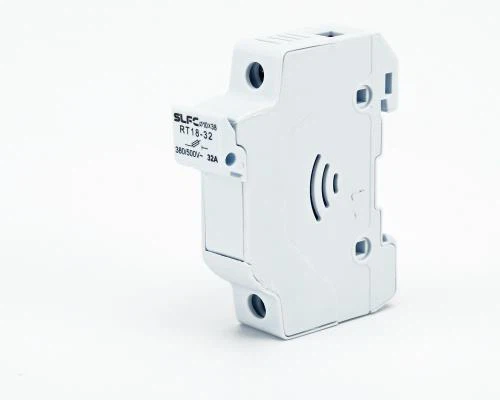
In a marine electrical system, RT18 - 32 Fuses need to be compatible with other electrical components, such as RT18 - 32 1P Fuse Holder and RT18 - 32 Plastic Fuse Holder. The fuse holders should be able to securely hold the fuses and provide proper electrical connections. Incompatible fuse holders can lead to poor contact, overheating, and reduced fuse performance.
Similarly, the RT18 - 32 Fuses should be compatible with the type of electrical load they are protecting. For example, if the load has a high inrush current, a fuse with a suitable time - current characteristic should be selected. 10*38 Fuse may also be considered in some cases, depending on the specific requirements of the marine electrical system.

Installation and Maintenance
Proper installation and maintenance are crucial for the effective use of RT18 - 32 Fuses in marine electrical systems. During installation, it is important to follow the manufacturer's instructions carefully. The fuses should be installed in the correct orientation and securely fastened in the fuse holders. Loose connections can cause overheating and premature fuse failure.
Regular maintenance is also necessary to ensure the continued performance of the fuses. This includes visual inspections to check for signs of corrosion, damage, or overheating. Any damaged or corroded fuses should be replaced immediately. It is also a good practice to keep spare fuses on board in case of a fuse failure.
Conclusion
In conclusion, RT18 - 32 Fuses can be used in marine electrical systems, but several factors need to be carefully considered. Their compact design, reliable overcurrent protection, and high breaking capacity make them attractive options for marine applications. However, they must have adequate corrosion resistance, vibration resistance, and comply with relevant marine standards. Compatibility with other components and proper installation and maintenance are also essential for their successful use.
If you are considering using RT18 - 32 Fuses in your marine electrical system, I encourage you to contact us for more information. Our team of experts can provide detailed technical advice and help you select the most suitable fuses for your specific requirements. We are committed to providing high - quality fuses and excellent customer service. Whether you need assistance with product selection, installation guidance, or have any other questions, we are here to support you. Let's start a conversation to explore how our RT18 - 32 Fuses can meet your marine electrical needs.
References
- Marine Electrical System Design and Installation Guidelines.
- Manufacturer's specifications for RT18 - 32 Fuses.
- Industry standards for marine electrical components.