


Hey there! As a supplier of Solar Fuse Clips, I often get asked a bunch of technical questions. One question that pops up quite a bit is, "Do solar fuse clips have a temperature coefficient?" Let's dig into this topic and find out.
First off, let's quickly understand what a temperature coefficient is. In simple terms, it's a measure of how much a certain property of a material changes with temperature. For electrical components, this can be really important because temperature can have a big impact on how they work.
When it comes to solar fuse clips, the temperature coefficient does matter. Solar systems are often exposed to a wide range of temperatures. During the day, especially in sunny regions, the temperature can soar, and at night, it can drop significantly. These temperature fluctuations can affect the performance of the solar fuse clips.
One of the key things affected by temperature is the electrical resistance of the solar fuse clip. As the temperature rises, the resistance of most conductive materials increases. This is due to the increased movement of atoms in the material, which makes it harder for electrons to flow through. For solar fuse clips, an increase in resistance can lead to more heat generation. And if the heat isn't managed properly, it can cause problems like overheating and even damage to the fuse clip or the entire solar system.
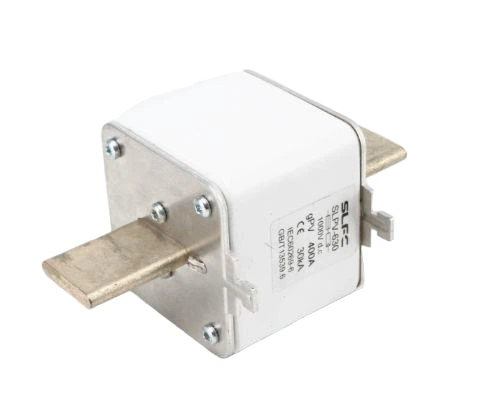

Let's talk about how the temperature coefficient affects the current - carrying capacity of solar fuse clips. Every fuse clip has a rated current, which is the maximum amount of current it can safely carry. But this rating is usually given at a specific temperature, often around 25°C. When the temperature goes up, the current - carrying capacity of the fuse clip decreases. This means that if you're operating your solar system in a hot environment, the fuse clip might not be able to handle as much current as it can at a lower temperature.
Another aspect to consider is the mechanical properties of the solar fuse clip. Temperature changes can cause materials to expand and contract. This thermal expansion and contraction can put stress on the fuse clip. If the temperature coefficient of the materials used in the fuse clip is too high, it can lead to mechanical failures over time. For example, the clip might loosen its grip on the fuse, which can cause poor electrical contact and further heat generation.
Now, as a supplier, we take these factors very seriously. We use materials with carefully selected temperature coefficients to ensure that our Solar Fuse Clip can perform well in different temperature conditions. We also conduct extensive testing to determine the temperature coefficients of our products and to make sure they meet industry standards.
When you're choosing a solar fuse clip for your solar system, it's important to consider the temperature coefficient. You need to think about the climate in the area where the solar system will be installed. If it's a hot region, you'll want a fuse clip with a lower temperature coefficient to minimize the effects of heat on its performance.
Let's also touch on the relationship between solar fuse clips and TUV Solar Fuse. TUV solar fuses are designed to protect solar systems from over - current situations. The solar fuse clip holds the TUV solar fuse in place and provides the electrical connection. The temperature coefficient of the fuse clip can affect the overall performance of the fuse. If the fuse clip overheats due to a high temperature coefficient, it can cause the fuse to blow prematurely or not work as intended.
In addition to the solar fuse clip, PV Fuse Holder also plays an important role in the solar system. The PV fuse holder is used to mount the fuse and the fuse clip. It needs to be able to withstand the temperature changes in the environment as well. Similar to the fuse clip, the temperature coefficient of the materials used in the PV fuse holder can affect its performance and durability.
As a supplier, we offer a range of solar fuse clips with different temperature coefficients to meet the needs of various solar applications. Whether you're installing a small residential solar system or a large - scale commercial solar farm, we have the right product for you.
We understand that choosing the right solar fuse clip can be a bit confusing, especially when it comes to technical details like the temperature coefficient. That's why our team of experts is always here to help. We can provide you with all the information you need about our products and help you select the best solar fuse clip for your specific requirements.
If you're in the market for high - quality solar fuse clips, we'd love to have a chat with you. Whether you have questions about the temperature coefficient, the current - carrying capacity, or any other aspect of our products, we're here to assist. We can also provide you with detailed product specifications and performance data to help you make an informed decision.
So, if you're interested in learning more about our solar fuse clips or want to discuss a potential purchase, don't hesitate to reach out. Let's work together to ensure your solar system operates safely and efficiently.
References
- Electrical Engineering Handbook: Covers general principles of electrical components and their temperature - related properties.
- Solar Energy Systems Design and Installation Manual: Provides insights into the specific requirements of solar systems and the components used in them.
- Industry Standards for Solar Fuse Clips: Outlines the performance and safety requirements for solar fuse clips, including temperature - related criteria.


