


As a supplier of RT18 - 32 Fuses, I often encounter questions from customers regarding the storage of these fuses. One of the most common inquiries is whether RT18 - 32 Fuses need special storage conditions. In this blog post, I will delve into this topic and provide a comprehensive answer based on scientific knowledge and industry experience.
Understanding RT18 - 32 Fuses
Before discussing the storage conditions, it's essential to understand what RT18 - 32 Fuses are. RT18 - 32 Fuses are a type of low - voltage fuse widely used in electrical circuits to protect against overcurrent. They are designed to interrupt the circuit when the current exceeds a certain level, preventing damage to electrical equipment and reducing the risk of fire.
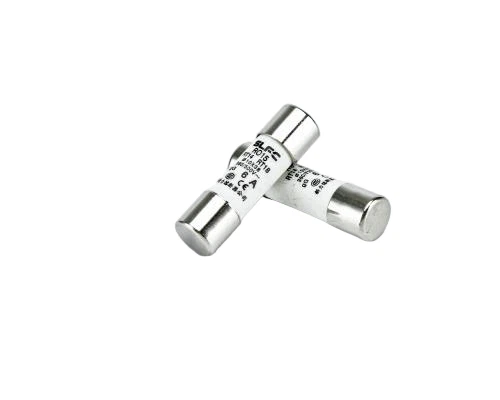
These fuses are typically made of a fuse element, which is a thin wire or strip of metal that melts when excessive current flows through it. The fuse element is enclosed in a housing, which can be made of various materials such as ceramic or plastic. The design of RT18 - 32 Fuses ensures reliable performance and safety in electrical systems.
General Storage Considerations
Like any electrical component, RT18 - 32 Fuses require proper storage to maintain their performance and integrity. While they do not necessarily need extremely specialized storage conditions, there are several key factors to consider.
Temperature
Temperature is a critical factor in fuse storage. Extreme temperatures can have a significant impact on the fuse element and the housing material. High temperatures can cause the fuse element to age prematurely, reducing its melting point and potentially leading to false tripping. On the other hand, low temperatures can make the housing material brittle, increasing the risk of cracking or damage.
It is generally recommended to store RT18 - 32 Fuses in an environment with a temperature range between - 20°C and 60°C. This temperature range ensures that the fuse element and the housing material remain stable and do not undergo any significant physical or chemical changes.
Humidity
Humidity can also affect the performance of RT18 - 32 Fuses. High humidity levels can lead to corrosion of the fuse element and the metal contacts, which can increase the resistance of the fuse and affect its ability to interrupt the circuit properly. Moisture can also penetrate the housing material, causing swelling or degradation.
To prevent these issues, it is advisable to store fuses in a dry environment with a relative humidity of less than 75%. If the storage area has high humidity, using desiccants or dehumidifiers can help maintain a suitable humidity level.

Dust and Contamination
Dust and other contaminants can accumulate on the surface of the fuses, which can interfere with their electrical performance. Dust particles can act as insulators, increasing the resistance between the fuse element and the contacts. Contaminants such as oil, grease, or chemicals can also corrode the fuse components.
It is important to store RT18 - 32 Fuses in a clean environment, preferably in sealed containers or cabinets. Regular cleaning of the storage area can also help minimize the presence of dust and contaminants.
Special Storage Conditions for Specific Situations
In some cases, RT18 - 32 Fuses may require special storage conditions. For example, if the fuses are going to be stored for an extended period (more than one year), additional precautions may be necessary.
Long - term Storage
For long - term storage, it is recommended to vacuum - seal the fuses in moisture - proof bags. This helps to prevent oxidation and corrosion of the fuse element and other components. Additionally, storing the sealed fuses in a cool, dry place can further extend their shelf life.
Storage in Harsh Environments
If the storage environment is particularly harsh, such as in an industrial setting with high levels of vibration, shock, or electromagnetic interference, special storage solutions may be required. In such cases, using shock - absorbing packaging and shielding materials can help protect the fuses from damage.
Compatibility with Accessories
When storing RT18 - 32 Fuses, it's also important to consider their compatibility with related accessories. For example, the RT18 - 32 Fuse Holder Base, RT18 - 32 Plastic Fuse Holder, and RT18 - 32 1P Fuse Base should be stored under similar conditions to ensure proper functioning when they are used together.
Impact of Improper Storage
Improper storage of RT18 - 32 Fuses can lead to various problems. As mentioned earlier, premature aging of the fuse element can cause false tripping, which can disrupt the normal operation of electrical systems. Corrosion and damage to the housing or contacts can also result in poor electrical connections, increasing the risk of overheating and fire.
In addition, if the fuses are not stored properly, their performance may not meet the specified standards, which can lead to safety issues and potential liability for the end - user. Therefore, it is crucial to follow the recommended storage conditions to ensure the reliability and safety of RT18 - 32 Fuses.
Conclusion
In conclusion, while RT18 - 32 Fuses do not require extremely special storage conditions, they do need to be stored in a suitable environment to maintain their performance and integrity. Temperature, humidity, dust, and contamination are all important factors to consider. By following the general storage guidelines and taking additional precautions for specific situations, you can ensure that the fuses remain in good condition and are ready for use when needed.
If you are interested in purchasing high - quality RT18 - 32 Fuses or need more information about their storage and application, please feel free to contact us for further discussion and procurement negotiation. We are committed to providing you with the best products and services.
References
- Electrical Safety Standards Handbook
- Fuse Manufacturer's Technical Documentation


