Hey there! As an automotive fuse supplier, I get this question a lot: "How do I know if an automotive fuse is a genuine product?" It's a crucial question, especially since using fake fuses can lead to all sorts of problems, from minor electrical glitches to major car malfunctions. So, let's dive into some tips on how to tell if that fuse you're looking at is the real deal.
Packaging and Labeling
One of the first things you should check is the packaging. Genuine automotive fuses usually come in well - made, high - quality packaging. The labels on the box should be clear, with no smudges or misspellings. Look for details like the fuse's amperage rating, voltage rating, and the manufacturer's logo. A genuine Automotive Fuse will have accurate and complete information on the label.
For example, if you're looking at a 150V/250V EV Car Fuse, the label should clearly state the voltage range it's designed for. If the label says something like "150 - 250V" but the fuse looks cheaply made or the label is peeling off, it might be a red flag.
Also, genuine fuses often have barcodes or serial numbers on the packaging. You can use these to verify the product's authenticity. Some manufacturers even have online databases where you can enter the serial number to check if it's a legitimate product.
Physical Appearance
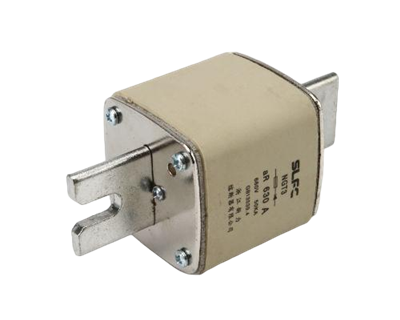
The physical appearance of the fuse itself can tell you a lot. A genuine automotive fuse will have a consistent color and finish. The metal parts should be smooth and free of rust or corrosion. The fuse element inside should be intact and properly centered.
Fake fuses might have rough edges, uneven coloring, or a flimsy fuse element. If the fuse looks like it was made with low - quality materials, it's probably not a genuine product. For instance, the contacts on a real fuse should be well - made and have a good connection. If they're loose or don't fit properly, that's a sign of a fake.
Brand Reputation
Another important factor is the brand's reputation. Well - known and established brands are more likely to produce genuine and high - quality automotive fuses. Do some research on the brand before you buy. Check online reviews and see what other customers have to say about their products.
If a brand has a history of producing reliable fuses, it's more likely that the product you're looking at is genuine. On the other hand, if a brand is relatively unknown and there are no reviews or only negative ones, you should be more cautious.
Price
Price can also be a clue. If a fuse is significantly cheaper than the average market price for a similar product, it could be a fake. Genuine automotive fuses are made with high - quality materials and go through strict quality control processes, which means they cost more to produce.
Of course, just because a fuse is expensive doesn't necessarily mean it's genuine, but a very low price is often a sign of a counterfeit product. So, if you see a 150V/250V EV Car Fuse being sold at a price that seems too good to be true, it probably is.
Testing
If you're still not sure if a fuse is genuine, you can do some basic testing. You'll need a multimeter for this. First, set the multimeter to the resistance setting. A good fuse should have a very low resistance, close to zero. If the multimeter shows a high resistance or an open circuit, the fuse is likely blown or fake.


You can also test the fuse's amperage rating. However, this is a bit more complicated and should only be done if you have the proper knowledge and equipment. If you're not confident in doing these tests yourself, you can take the fuse to a professional mechanic or an electrical technician.
Certification
Genuine automotive fuses often come with certifications. Look for marks like UL (Underwriters Laboratories), CE (Conformité Européene), or other relevant safety certifications. These certifications indicate that the fuse has met certain safety and quality standards.
If a fuse doesn't have any certifications or if the certification marks look fake, it's probably not a genuine product. For example, a 150V/250V EV Car Fuse that's supposed to be used in electric vehicles should have the appropriate safety certifications for that application.
Manufacturer's Support
Contacting the manufacturer can also help you verify the authenticity of a fuse. Most legitimate manufacturers have customer support teams that can answer your questions about their products. You can ask for product specifications, manufacturing details, or even request a certificate of authenticity.
If you can't find any contact information for the manufacturer or if they don't respond to your inquiries, it could be a sign that the product is fake.
Buying from Reputable Sellers
Finally, where you buy the fuse matters. Always buy from reputable sellers, such as authorized dealers or well - known automotive parts stores. These sellers are more likely to carry genuine products and have a better understanding of the products they're selling.
Buying from an unknown online seller or a street vendor might save you a few bucks, but you're taking a big risk of getting a fake fuse. So, make sure you do your due diligence and buy from a trusted source.
In conclusion, there are several ways to tell if an automotive fuse is a genuine product. By checking the packaging, physical appearance, brand reputation, price, and doing some basic testing, you can make a more informed decision. As an automotive fuse supplier, I always recommend using genuine fuses to ensure the safety and proper functioning of your vehicle.
If you're in the market for high - quality, genuine Automotive Fuse, 150V/250V EV Car Fuse, or Electric Vehicle Fuse Link, feel free to reach out. We're here to help you with all your automotive fuse needs. Whether you're a mechanic, a car enthusiast, or a business looking to stock up on fuses, we can provide you with the right products at competitive prices. Contact us to start a purchase negotiation and find the best fuses for your requirements.
References
- General knowledge of the automotive fuse industry
- Personal experience as an automotive fuse supplier