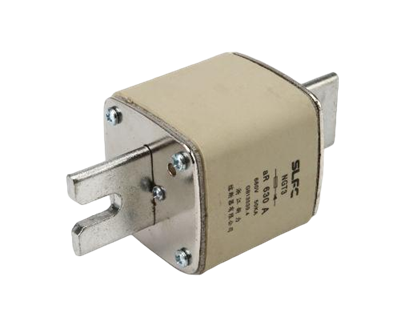
As a reputable supplier of Solar Fuse Clip, the quality and performance of our products are of utmost importance. Testing solar fuse clips is a critical step in ensuring that they meet the highest standards and provide reliable protection in solar power systems. In this blog, I will share with you the methods and procedures I use to test solar fuse clips.
Understanding the Basics of Solar Fuse Clips
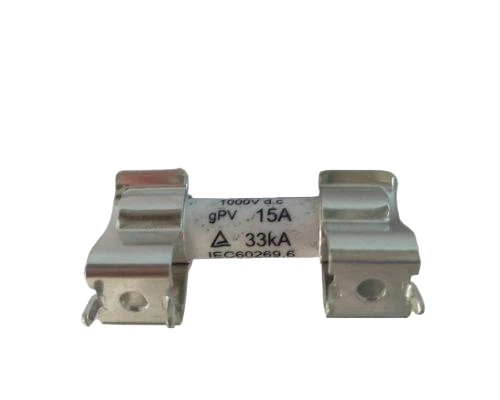
Before diving into the testing procedures, let's first understand what solar fuse clips are and their role in a solar power system. A solar fuse clip is a component that holds the fuse in place within a PV Fuse Holder. It is designed to provide a secure electrical connection and ensure the proper functioning of the fuse. The fuse, such as a 1000VDC Fuse, is a safety device that protects the solar circuit from overcurrent conditions. When the current exceeds the rated value of the fuse, it will melt and break the circuit, preventing damage to the solar panels, inverters, and other components.
Visual Inspection
The first step in testing a solar fuse clip is a visual inspection. This is a crucial initial check that can reveal obvious defects or signs of damage. Inspect the fuse clip for any cracks, deformations, or signs of overheating, such as discoloration. The material of the fuse clip should be uniform, without any visible flaws or impurities. Check the contact surfaces to ensure they are clean and smooth. Any dirt, corrosion, or oxidation on the contact surfaces can increase the resistance and lead to poor electrical conductivity. Additionally, verify that the dimensions of the fuse clip match the specifications and that it is compatible with the intended fuse and fuse holder.

Electrical Resistance Testing
Electrical resistance testing is a fundamental test for solar fuse clips. A low and stable resistance is essential for proper electrical conduction and efficient operation. To perform this test, you will need a digital multimeter set to the resistance measurement mode. Make sure the fuse clip is disconnected from any power source before testing. Connect the multimeter probes to the two contact points of the fuse clip. The resistance value should be within the specified range provided by the manufacturer. A significantly higher resistance than the expected value may indicate a poor connection, damaged contact surfaces, or other internal defects. Multiple measurements can be taken at different points on the contact surfaces to ensure consistency.
Contact Force Testing
The contact force of a solar fuse clip is crucial for maintaining a reliable electrical connection with the fuse. Insufficient contact force can result in loose connections, which can lead to arcing, overheating, and ultimately, failure of the fuse or the entire circuit. To test the contact force, a contact force gauge can be used. Place the fuse clip in a fixture that simulates the actual installation conditions. Insert the fuse into the clip and use the contact force gauge to measure the force required to insert and remove the fuse. The contact force should be within the recommended range specified by the manufacturer. If the contact force is too low, it may be necessary to adjust or replace the fuse clip.
Temperature Rise Testing
During normal operation, solar fuse clips may experience temperature rise due to the flow of electrical current. Excessive temperature rise can degrade the performance of the fuse clip and reduce its lifespan. Temperature rise testing is used to evaluate the thermal performance of the fuse clip under specific operating conditions. A thermal imaging camera or temperature sensors can be used to measure the temperature of the fuse clip during operation. The test should be conducted with a representative load current for a specified period of time. The temperature rise should not exceed the allowable limits set by the relevant standards or the manufacturer's specifications. If the temperature rise is too high, it may be necessary to analyze the cause, such as excessive resistance or improper installation, and take appropriate corrective measures.
Short-Circuit Testing
Short-circuit testing is a crucial test to ensure the safety and reliability of solar fuse clips under extreme conditions. This test simulates a short-circuit event in the solar circuit and verifies that the fuse clip can withstand the high current and disconnect the circuit safely. Short-circuit testing should be conducted in a specialized test facility with appropriate safety equipment and procedures. A short-circuit test setup is used to apply a high current to the fuse clip for a short period of time. The test current should be based on the rated short-circuit current of the fuse and the requirements of the relevant standards. After the test, inspect the fuse clip for any signs of damage or failure. If the fuse clip fails the short-circuit test, it indicates a serious design or manufacturing defect, and the product should not be used.
Environmental Testing
Solar fuse clips are often exposed to harsh environmental conditions, such as high temperatures, humidity, and UV radiation. Environmental testing is used to evaluate the durability and reliability of the fuse clip under these conditions. Various environmental test chambers can be used to simulate different environmental conditions. For example, a high-temperature test chamber can be used to test the performance of the fuse clip at elevated temperatures. The fuse clip is placed in the chamber and subjected to a specific temperature and time profile. Similar tests can be conducted for humidity and UV radiation. After the environmental testing, perform electrical and visual inspections to check for any changes in the performance or appearance of the fuse clip. Any degradation in performance or visible damage may indicate that the fuse clip is not suitable for the intended environmental conditions.
Conclusion
Testing solar fuse clips is a comprehensive process that involves multiple steps and tests to ensure their quality, performance, and reliability. As a supplier, we are committed to providing high-quality Solar Fuse Clip products that meet the strictest industry standards. By conducting thorough testing, we can identify and address any potential issues before the products are delivered to our customers.
If you are in the market for solar fuse clips or have any questions about our testing procedures, we invite you to contact us for further discussion. We are more than happy to provide you with detailed product information and support your procurement needs.
References
- International Electrotechnical Commission (IEC) standards related to fuses and fuse holders in solar power systems.
- Manufacturers' specifications and guidelines for solar fuse clips and associated components.