


Hey there! As a supplier of PV Fuse 1000V, I've been getting a lot of questions lately about how these fuses perform in low - light conditions. So, I thought I'd sit down and share my thoughts and some insights on this topic.
Understanding PV Fuse 1000V
First off, let's quickly go over what a PV Fuse 1000V is. It's a crucial component in a photovoltaic (PV) system. Its main job is to protect the system from over - current situations. When there's an abnormal increase in current, the fuse will blow, cutting off the electrical circuit and preventing damage to other parts of the PV setup.
Low - Light Conditions in PV Systems
Low - light conditions can occur for various reasons. Maybe it's a cloudy day, early morning, late evening, or the PV panels are in a shaded area. In these situations, the power output of the PV panels drops significantly. The current generated by the panels is much lower compared to bright, sunny days.
How PV Fuse 1000V Responds in Low - Light
1. Current Flow
In low - light, the current flowing through the PV Fuse 1000V is reduced. Since the fuse is designed to handle specific current ratings, a lower current means it's operating well within its normal parameters. For instance, if you have a 500VDC 1A 2A 3A 4A 5A 6A 8A 10A 12A 15A 20A 25A 30A Solar PV Fuse, and the current in low - light is only 0.5A, it's not going to cause any stress on the fuse. The fuse remains in a stable state, just like it would in normal operating conditions.
2. Heat Generation
One of the key factors in a fuse's performance is heat. When current passes through a fuse, it generates heat. In low - light, with less current flowing, there's less heat generated. This is actually beneficial for the fuse's lifespan. Less heat means less wear and tear on the fuse element. Over time, this can reduce the chances of premature fuse failure.
3. Voltage Drop
The voltage drop across the PV Fuse 1000V is also affected by low - light conditions. With lower current, the voltage drop is minimized. A lower voltage drop means that more of the generated voltage from the PV panels can be effectively used by the rest of the system. This is important for maintaining the overall efficiency of the PV setup.
Impact on PV System Performance
1. System Stability
The stable performance of the PV Fuse 1000V in low - light contributes to the overall stability of the PV system. Since the fuse is not likely to blow or malfunction in these conditions, the system can continue to operate, albeit at a reduced power output. This is crucial for applications where a continuous, even if reduced, power supply is required.
2. Energy Harvesting
Even in low - light, the PV system can still harvest some energy. The proper functioning of the PV Fuse 1000V ensures that the energy generated by the panels can be safely transferred to the rest of the system. It doesn't disrupt the energy flow, allowing for the maximum possible energy collection during these less - than - ideal light conditions.
Comparing with Other Components in Low - Light
1. PV Panels
PV panels are directly affected by low - light. Their power output drops, and their efficiency decreases. But the PV Fuse 1000V doesn't suffer from these same issues. It continues to perform its protective function regardless of the panel's reduced output.
2. Inverters
Inverters also face challenges in low - light. They need a certain minimum input voltage and current to operate efficiently. The PV Fuse 1000V helps in maintaining a stable electrical environment for the inverter. By ensuring that the current doesn't exceed safe levels, it allows the inverter to work as effectively as possible in low - light conditions.
Special Considerations for PV Fuse 1000V in Low - Light
1. Fuse Selection
When designing a PV system, it's important to select the right PV Fuse 1000V based on the expected low - light conditions. If the system is in an area with frequent low - light periods, you might want to choose a fuse with a lower current rating. This ensures that the fuse can accurately detect and respond to any abnormal current changes even at low - light levels.

2. Maintenance
In low - light conditions, it's still necessary to perform regular maintenance on the PV Fuse 1000V. Check for any signs of damage, such as corrosion or loose connections. Although the fuse is under less stress in low - light, these issues can still affect its performance over time.
Related Products and Their Role
1. DC500V Solar Fuse Holder
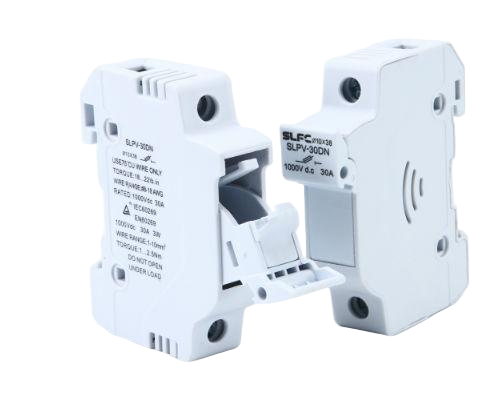
The DC500V Solar Fuse Holder is an important accessory for the PV Fuse 1000V. It provides a secure and stable mounting for the fuse. In low - light conditions, it helps to keep the fuse in place and ensures a proper electrical connection. This is essential for the fuse to function correctly, regardless of the current levels.
2. Bolted Photovoltaic Fuse
The Bolted Photovoltaic Fuse is another type of fuse that can be used in PV systems. It offers a reliable connection and can handle high - current applications. In low - light, it works in a similar way to the PV Fuse 1000V, protecting the system from over - current while operating at reduced current levels.
Conclusion and Call to Action
So, as you can see, the PV Fuse 1000V performs quite well in low - light conditions. It plays a vital role in maintaining the safety and efficiency of PV systems, even when the light is not optimal. If you're in the market for high - quality PV Fuses 1000V, related fuse holders, or other PV system components, I'd love to talk to you. Whether you're setting up a new PV system or looking to upgrade an existing one, we have the products and expertise to meet your needs. Reach out to start a conversation about your PV fuse requirements.
References
- International Electrotechnical Commission (IEC) standards on PV fuses.
- Industry reports on PV system performance in different light conditions.


