


As a trusted NT Fuse supplier, I've witnessed firsthand the critical role these fuses play in various electrical systems. One question that often arises from our customers is how NT Fuses perform under vibration. In this blog post, I'll delve into the science behind NT Fuse performance in vibrating environments, drawing on our experience and industry knowledge.
Understanding NT Fuses
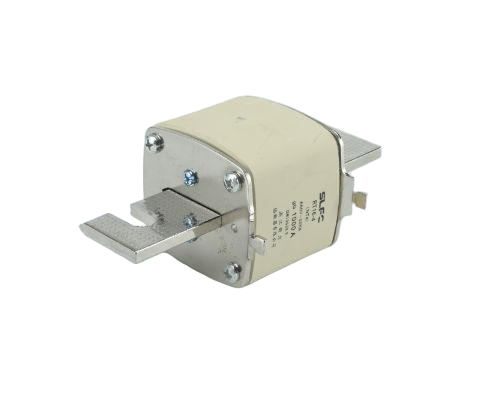
Before we explore their performance under vibration, let's briefly understand what NT Fuses are. NT Fuses are a type of high - breaking - capacity fuse commonly used in industrial applications. They are designed to protect electrical circuits from overcurrent conditions, such as short - circuits and overloads. These fuses come in different ratings and sizes, including popular models like the NH4 Fuse, RS 33 Fuse, and NT00 Fuse.
The Impact of Vibration on Electrical Components
Vibration is a common phenomenon in many industrial settings. Machinery, transportation, and even natural forces can subject electrical systems to vibrations. For electrical components, vibration can have several negative effects. It can cause mechanical stress on the component's structure, leading to loose connections, cracked insulation, or even physical damage. In the case of fuses, vibration - induced stress can potentially affect their electrical performance and reliability.
How NT Fuses Are Designed to Withstand Vibration
Robust Construction
NT Fuses are built with a robust construction to resist the forces of vibration. The fuse element, which is the key component that melts to interrupt the circuit during an overcurrent event, is securely mounted within the fuse body. This secure mounting helps prevent the element from moving or getting damaged due to vibration. The fuse body itself is made of high - quality materials that can withstand mechanical stress. For example, some NT Fuses have ceramic bodies, which are known for their high strength and resistance to cracking.
Quality Manufacturing Processes
Our manufacturing processes are designed to ensure the highest level of quality and consistency. During production, strict quality control measures are in place to check for any defects that could be exacerbated by vibration. For instance, the connections between the fuse element and the terminals are carefully soldered or welded to ensure a strong and stable electrical connection. This helps prevent the formation of loose connections that could lead to arcing or overheating under vibration.
Laboratory Testing and Real - World Performance
Laboratory Testing
To ensure the reliability of our NT Fuses under vibration, we conduct extensive laboratory testing. We use specialized vibration testing equipment to simulate different levels and frequencies of vibration. During these tests, we monitor the electrical performance of the fuses, including their resistance, melting time, and breaking capacity. Our tests have shown that NT Fuses can maintain their electrical performance within acceptable limits even under significant vibration.
Real - World Performance
In real - world applications, NT Fuses have proven their ability to perform well in vibrating environments. For example, in the automotive industry, where vehicles are constantly exposed to vibration during operation, NT Fuses are used to protect the electrical systems of cars, trucks, and buses. In industrial machinery, such as conveyor belts and generators, NT Fuses also provide reliable overcurrent protection despite the continuous vibration.
Factors Affecting NT Fuse Performance Under Vibration
Vibration Frequency and Amplitude
The frequency and amplitude of the vibration play a crucial role in determining the impact on NT Fuse performance. High - frequency vibrations can cause more rapid mechanical stress on the fuse components, while large - amplitude vibrations can exert greater forces. In general, NT Fuses are more likely to be affected by high - frequency, high - amplitude vibrations. However, our fuses are designed to withstand a wide range of vibration conditions.
Mounting and Installation
Proper mounting and installation of NT Fuses are essential for their performance under vibration. If the fuses are not installed correctly, they may be more susceptible to vibration - induced damage. For example, if the fuse is not tightly secured in its holder, it can move around during vibration, leading to loose connections. We provide detailed installation instructions to ensure that our customers install the fuses correctly.

Environmental Conditions
In addition to vibration, environmental conditions such as temperature, humidity, and dust can also affect the performance of NT Fuses. High temperatures can increase the resistance of the fuse element, while humidity can cause corrosion. These factors, combined with vibration, can potentially reduce the lifespan and reliability of the fuses. Therefore, it is important to consider the overall environmental conditions when using NT Fuses.
Ensuring Optimal Performance of NT Fuses Under Vibration
Regular Inspection and Maintenance
Regular inspection and maintenance are key to ensuring the optimal performance of NT Fuses in vibrating environments. During inspections, check for any signs of physical damage, such as cracks in the fuse body or loose connections. Replace any damaged fuses immediately to prevent potential electrical problems.
Selecting the Right Fuse
Choosing the appropriate NT Fuse for your application is also crucial. Consider the specific vibration conditions, as well as the electrical requirements of your system. Our technical support team is available to help you select the right fuse based on your needs.
Conclusion
In conclusion, NT Fuses are designed to perform reliably under vibration. Their robust construction, quality manufacturing processes, and rigorous testing ensure that they can withstand the mechanical stress caused by vibration and maintain their electrical performance. However, to ensure the best results, it is important to consider factors such as vibration frequency, mounting, and environmental conditions. By following proper installation, inspection, and maintenance procedures, you can maximize the lifespan and reliability of NT Fuses in your electrical systems.
If you are interested in learning more about our NT Fuses or would like to discuss your specific requirements, please feel free to contact us. We are ready to assist you with your fuse procurement needs and provide you with the best solutions for your electrical protection challenges.
References
- "Electrical Fuse Handbook", published by an industry - leading electrical engineering organization.
- Research papers on the impact of vibration on electrical components from well - known academic journals.


