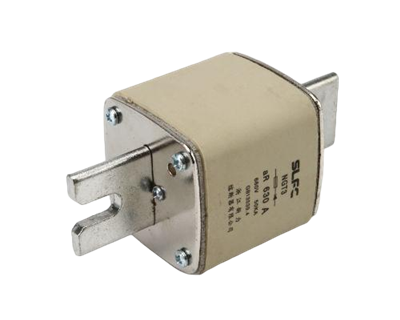
Hey there! I'm a supplier of RS3 Fuse, and today I wanna chat about how the duty cycle of the circuit affects RS3 Fuse.
First off, let's get clear on what a duty cycle is. In simple terms, the duty cycle of a circuit is the ratio of the time a component is on (active) to the total time of a cycle. It's usually expressed as a percentage. For example, if a device is on for 1 second and the total cycle time is 5 seconds, the duty cycle is 20% (1/5 * 100).
Now, when it comes to RS3 Fuse, the duty cycle can have a big impact. RS3 Fuse is a crucial component in electrical circuits, designed to protect the circuit from overcurrent. It works by melting when the current exceeds a certain level, thus breaking the circuit and preventing damage to other components.
One of the main ways the duty cycle affects RS3 Fuse is through heat generation. When a current flows through the fuse, it generates heat due to the resistance of the fuse element. In a circuit with a high duty cycle, the fuse is on for a relatively long time. This means more heat is generated over time. If the heat isn't dissipated properly, it can cause the fuse to overheat.
Overheating can lead to several problems. First, it can reduce the lifespan of the RS3 Fuse. The excessive heat can cause the fuse element to degrade faster, making it more likely to fail prematurely. Second, it can affect the accuracy of the fuse's operation. A fuse that has been overheated may not blow at the correct current level, which means it won't provide the proper protection for the circuit.
Let's take a look at an example. Suppose we have a circuit with a high - power device that has a 70% duty cycle. The RS3 Fuse in this circuit is constantly under stress because it's carrying current for a large portion of the cycle. The heat generated by the continuous current flow can build up, and if the ambient temperature is also high, the situation gets even worse.
On the other hand, in a circuit with a low duty cycle, the fuse is on for a shorter time. This results in less heat generation, and the fuse has more time to cool down between each cycle. As a result, the fuse is less likely to overheat, and its lifespan and performance are more likely to be stable.

Another aspect to consider is the inrush current. Inrush current is a temporary high current that occurs when a circuit is first turned on. In a circuit with a high duty cycle, the frequency of these inrush events can be higher. Each inrush current can subject the RS3 Fuse to a sudden surge of energy. If the fuse isn't rated properly to handle these inrush currents, it can blow even if the normal operating current is within the fuse's rating.
For instance, a motor - driven circuit may have a high inrush current when the motor starts. If the circuit has a high duty cycle, the motor may be started and stopped frequently. Each time it starts, the RS3 Fuse has to deal with that initial high - current spike. Over time, these repeated inrush events can wear out the fuse.
Now, let's talk about how we can deal with the impact of the duty cycle on RS3 Fuse. One solution is to choose the right fuse rating. When selecting an RS3 Fuse for a circuit, we need to consider both the normal operating current and the inrush current. We also need to take into account the duty cycle of the circuit. If the duty cycle is high, we may need to choose a fuse with a higher rating to handle the increased heat and inrush events.
Another important factor is the heat dissipation. We can improve the heat dissipation of the RS3 Fuse by providing proper ventilation in the circuit enclosure. This helps to keep the fuse at a lower temperature, reducing the risk of overheating.
As a supplier of RS3 Fuse, I've seen firsthand how different duty cycles can affect the performance of these fuses. I've also helped many customers choose the right fuses for their specific circuits. Whether you're dealing with a high - duty - cycle industrial circuit or a low - duty - cycle consumer electronics circuit, we have the expertise to recommend the most suitable RS3 Fuse for you.
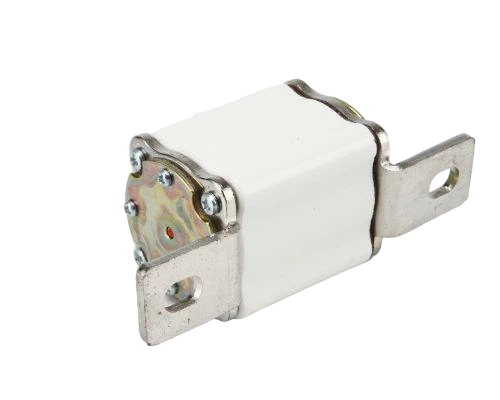
If you're interested in RS0 Fuse, it's another option in our product line. It has its own characteristics and applications, and we can provide more details if you need. And for more information about our RS3 Fuse Link, you can click on the link. Also, our Bolted Fast Fuse is a great choice for some specific circuit requirements.
If you're in the market for RS3 Fuse or have any questions about how the duty cycle of your circuit may affect the fuse, don't hesitate to reach out. We're here to help you make the best decision for your electrical circuit needs. Whether it's choosing the right fuse, understanding the impact of the duty cycle, or getting advice on heat dissipation, we've got you covered.
In conclusion, the duty cycle of a circuit plays a significant role in the performance and lifespan of RS3 Fuse. By understanding these effects and taking appropriate measures, we can ensure that the fuse provides reliable protection for the circuit. So, if you're looking for high - quality RS3 Fuse and professional advice, contact us today for a procurement discussion.
References:
- Electrical Engineering Textbooks on Circuit Protection
- Manufacturer's Documentation on RS3 Fuse