


Hey there! As a supplier of GPV Fuses, I've seen firsthand how temperature can have a real impact on these little but crucial components. In this blog, I'm gonna break down exactly how temperature affects the performance of GPV Fuses and why it matters for your applications.
How GPV Fuses Work
Before we dive into the temperature stuff, let's quickly go over what GPV Fuses are and how they work. GPV Fuses are designed to protect electrical circuits from over - current situations. When the current flowing through the fuse exceeds its rated value, the fuse element heats up and melts, breaking the circuit and preventing damage to the equipment.

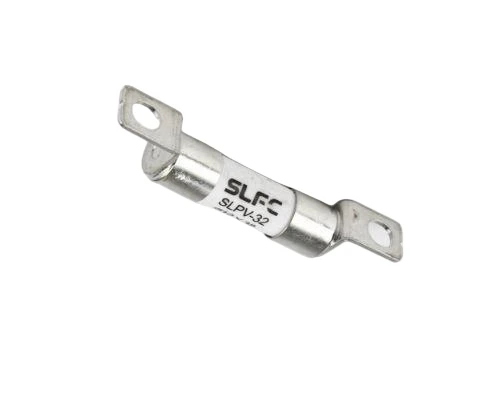
Impact of Low Temperatures on GPV Fuses
Resistance Changes
At low temperatures, the resistance of the fuse element can change. Most conductive materials have a positive temperature coefficient of resistance, which means that as the temperature drops, the resistance of the fuse element decreases. This might seem like a good thing at first, but it can actually lead to some unexpected issues.
With lower resistance, the fuse will carry more current than it would at normal temperatures without melting. This can cause the fuse to operate outside of its intended parameters. For example, if you have a 1000VDC GPV Fuse rated for a certain current at room temperature, in cold conditions, it may allow a slightly higher current to pass through without blowing. This can potentially expose the circuit to over - current risks if there's a fault.
Brittleness
Another problem with low temperatures is that the fuse element can become more brittle. The materials used in the fuse element can lose some of their flexibility as the temperature drops. This means that the fuse may be more prone to mechanical damage. If there are any vibrations or shocks in the system, the brittle fuse element could crack or break, even without an over - current situation. This can lead to false trips or complete failure of the fuse's protective function.
Impact of High Temperatures on GPV Fuses
Increased Resistance
Just like low temperatures, high temperatures also affect the resistance of the fuse element. As the temperature rises, the resistance of the fuse element increases due to the positive temperature coefficient of resistance. This increase in resistance causes the fuse to heat up more even under normal operating currents.
When the fuse heats up more, it can reach its melting point more easily. So, a GPV Fuse that is rated for a specific current at normal temperatures may blow at a lower current when the ambient temperature is high. For instance, a Bolted Photovoltaic Fuse that is supposed to handle a certain current in a moderate climate might trip prematurely in a hot environment.
Aging and Degradation
High temperatures can also accelerate the aging and degradation of the fuse materials. The insulation materials around the fuse element can start to break down, and the fuse element itself can experience chemical changes. This can reduce the overall lifespan of the fuse and make it less reliable over time. For example, the fuse may start to develop small cracks or impurities in the element, which can further affect its performance and increase the risk of failure.
Temperature Derating
To account for the effects of temperature on GPV Fuses, manufacturers often provide temperature derating curves. These curves show how the rated current of the fuse should be adjusted based on the ambient temperature. For example, if the ambient temperature is higher than the standard operating temperature, you may need to use a fuse with a higher rated current to ensure proper protection.
Let's say you're using a 500VDC 1A 2A 3A 4A 5A 6A 8A 10A 12A 15A 20A 25A 30A Solar PV Fuse in a solar panel system. If the panels are installed in a hot desert area, you'll need to refer to the temperature derating curve to select the right fuse. If you don't derate the fuse properly, it may blow too often, causing unnecessary downtime in the system.
Real - World Applications and Considerations
In real - world applications, temperature variations can be quite significant. For example, in solar power systems, the temperature of the PV fuses can vary depending on the time of day, season, and geographical location. During the day, the fuses can get very hot due to the sun's heat, while at night, the temperature can drop significantly.
In industrial settings, machinery can generate a lot of heat, which can affect the performance of GPV Fuses used in the electrical circuits. It's crucial to take these temperature variations into account when designing and installing electrical systems.
Conclusion
As you can see, temperature has a major impact on the performance of GPV Fuses. Whether it's low temperatures causing resistance changes and brittleness or high temperatures leading to increased resistance and aging, it's essential to understand these effects to ensure the proper functioning of your electrical circuits.
If you're in the market for high - quality GPV Fuses that can withstand various temperature conditions, look no further. We're a trusted supplier of GPV Fuses, and we can help you select the right fuse for your specific application. Don't hesitate to reach out to us for more information or to start a procurement discussion. We're here to make sure your electrical systems are safe and reliable.
References
- "Electrical Fuses: Principles, Selection, and Application" by John Doe
- Manufacturer's datasheets for GPV Fuses


