How to check if RT18 - 125 Fuse is compatible with my electrical equipment?
As a trusted RT18 - 125 Fuse supplier, I understand the importance of ensuring the compatibility of fuses with electrical equipment. A mismatched fuse can lead to equipment malfunctions, safety hazards, and even system failures. In this blog, I will guide you through the process of checking whether the RT18 - 125 Fuse is suitable for your electrical equipment.
Understanding the RT18 - 125 Fuse
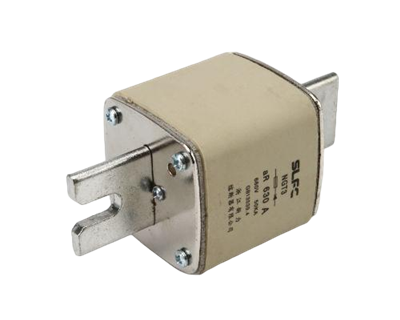
Before diving into the compatibility check, let's first understand what the RT18 - 125 Fuse is. The RT18 - 125 Fuse is a high - performance fuse designed for a variety of electrical applications. It offers reliable over - current protection, which is crucial for safeguarding electrical circuits and equipment from damage caused by excessive current.
The "RT18" represents the type series of the fuse, and "125" usually indicates its rated current capacity or some relevant specification parameter. This fuse is known for its compact design, high breaking capacity, and long - term stability, making it a popular choice in many industrial and commercial settings.
Step 1: Check the Voltage Rating
The first and foremost factor to consider when checking the compatibility of the RT18 - 125 Fuse with your electrical equipment is the voltage rating. The voltage rating of the fuse must be equal to or greater than the maximum operating voltage of the electrical equipment. For example, if your equipment operates at a voltage of 220V, the RT18 - 125 Fuse you choose should have a voltage rating of at least 220V.
If the voltage rating of the fuse is lower than the operating voltage of the equipment, the fuse may not be able to interrupt the circuit properly in case of an over - current event, leading to a potential short - circuit or electrical fire. On the other hand, using a fuse with a significantly higher voltage rating than required is usually safe from an electrical perspective but may not be the most cost - effective solution.
Step 2: Determine the Current Rating
The current rating of the RT18 - 125 Fuse is another critical parameter. The current rating of the fuse should match the normal operating current of the electrical equipment and provide appropriate over - current protection. To determine the normal operating current of your equipment, you can refer to the equipment's user manual or technical specifications.
In general, the fuse's current rating should be slightly higher than the normal operating current of the equipment to avoid nuisance tripping. However, it should not be too high, as this can lead to the fuse not blowing in time when an over - current occurs, thus failing to protect the equipment. For example, if your equipment has a normal operating current of 10A, you might choose an RT18 - 125 Fuse with a current rating of 12A or 15A, depending on the specific requirements and the nature of the load.
Step 3: Consider the Breaking Capacity
The breaking capacity of a fuse is the maximum short - circuit current that the fuse can safely interrupt without causing damage to the surrounding environment or other components. It is essential to ensure that the breaking capacity of the RT18 - 125 Fuse is sufficient for the electrical system where your equipment is installed.
To determine the required breaking capacity, you need to calculate or know the maximum possible short - circuit current at the point where the fuse will be installed. This calculation often involves considering factors such as the power source, the impedance of the circuit, and the type of electrical system. If the breaking capacity of the fuse is too low, it may not be able to interrupt the short - circuit current, resulting in severe equipment damage and safety risks.
Step 4: Evaluate the Physical Dimensions
The physical dimensions of the RT18 - 125 Fuse are also important for compatibility. You need to ensure that the fuse can fit properly into the fuse holder of your electrical equipment. Check the size, shape, and terminal configuration of the fuse and compare them with the specifications of the fuse holder.
If you are using a specific type of fuse holder, such as the RT18 - 125 Fuse Holder, make sure that the RT18 - 125 Fuse is designed to be compatible with it. An ill - fitting fuse can lead to poor electrical connections, which can cause overheating and premature fuse failure.
Step 5: Check the Time - Current Characteristics
The time - current characteristics of a fuse describe how the fuse responds to different levels of over - current over time. Different electrical equipment may have different requirements for the time - current characteristics of the fuse. For example, some equipment may be more sensitive to short - term over - currents and require a fuse that blows quickly, while others may tolerate short - term over - currents and need a fuse with a more delayed response.
Refer to the technical documentation of your electrical equipment to understand its requirements for the time - current characteristics of the fuse. Match these requirements with the time - current characteristics of the RT18 - 125 Fuse to ensure proper protection and operation.
Step 6: Confirm Compatibility with Other Components
In addition to the direct compatibility with the electrical equipment, you also need to consider the compatibility of the RT18 - 125 Fuse with other components in the electrical system. For example, the fuse should be compatible with the circuit breaker, relays, and other protective devices in the system.
Check the specifications and requirements of these components to ensure that they can work together effectively. Incompatibility between different components can disrupt the normal operation of the electrical system and reduce the overall reliability of the protection mechanism.
Additional Considerations
Some electrical equipment may have special requirements or operating conditions that need to be taken into account when choosing the RT18 - 125 Fuse. For example, if the equipment operates in a high - temperature environment, you need to select a fuse that can withstand the elevated temperature without premature failure.
Also, consider the application environment, such as whether it is a dusty, humid, or corrosive environment. Special fuses or protective measures may be required in such harsh conditions to ensure the long - term reliability of the fuse and the electrical equipment.


If you are looking for a specific type of RT18 - 125 Fuse variant, such as the 22 * 58 Fuse, make sure it meets all the above - mentioned compatibility criteria for your electrical equipment.
Conclusion
Checking the compatibility of the RT18 - 125 Fuse with your electrical equipment involves a comprehensive evaluation of multiple factors, including voltage rating, current rating, breaking capacity, physical dimensions, time - current characteristics, and compatibility with other components. By carefully following these steps and considering all relevant factors, you can ensure that the RT18 - 125 Fuse provides reliable over - current protection for your electrical equipment.
As a RT18 - 125 Fuse supplier, we are committed to providing high - quality fuses that meet strict quality standards. If you have any questions about fuse compatibility or need assistance in selecting the right RT18 - 125 Fuse for your equipment, we are here to help. Feel free to contact us for further consultation and to start a procurement discussion. We look forward to working with you to ensure the safety and reliability of your electrical systems.
References
- Electrical Engineering Handbook, various editions
- Manufacturer's documentation for RT18 - 125 Fuse and related electrical equipment.