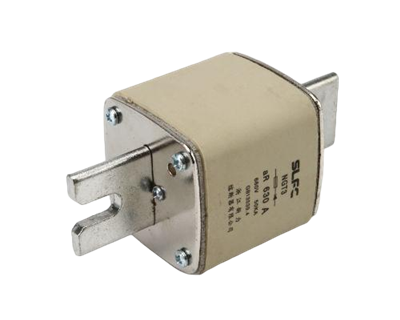
As a supplier of PV Fuse 1500V, ensuring the quality of our products before installation is of utmost importance. This not only guarantees the safety and efficiency of the photovoltaic (PV) systems but also builds trust with our customers. In this blog, I will share some essential steps and methods to check the quality of PV Fuse 1500V before installation.
1. Visual Inspection
The first step in checking the quality of a PV Fuse 1500V is a thorough visual inspection. This can reveal obvious signs of damage or manufacturing defects.
- Examine the Outer Casing: Carefully look at the outer casing of the fuse. It should be free from cracks, chips, or any signs of physical damage. A damaged casing can compromise the insulation and protection provided by the fuse, leading to potential safety hazards. For example, if there is a crack in the casing, moisture or dust may enter the fuse, affecting its performance.
- Check the Terminals: The terminals of the fuse should be clean, smooth, and free from oxidation or corrosion. Oxidized or corroded terminals can increase the resistance at the connection points, causing overheating and potentially leading to the failure of the fuse. Make sure the terminals are firmly attached to the fuse body and there are no signs of looseness.
2. Electrical Testing
After the visual inspection, electrical testing is crucial to verify the performance of the PV Fuse 1500V.
- Resistance Measurement: Use a multimeter to measure the resistance of the fuse. A properly functioning PV Fuse 1500V should have a very low resistance. If the measured resistance is significantly higher than the specified value, it may indicate a problem with the fuse, such as a partial break or internal damage. However, it's important to note that the resistance value may vary slightly depending on the type and rating of the fuse.
- Voltage Rating Verification: Confirm that the fuse has the correct voltage rating of 1500V. Using a fuse with an incorrect voltage rating can be extremely dangerous. If a fuse with a lower voltage rating is used in a 1500V PV system, it may not be able to withstand the high voltage, leading to rapid failure. On the other hand, using a fuse with a much higher voltage rating than necessary may not provide the appropriate protection.
3. Temperature Testing
Temperature is an important factor that can affect the performance of PV Fuses.
- Thermal Imaging: Use a thermal imaging camera to detect any abnormal heat generation in the fuse. During normal operation, the temperature of the fuse should be relatively stable and within the acceptable range. If there are hot spots on the fuse, it may indicate a problem, such as a high - resistance connection or internal damage. High temperatures can accelerate the aging of the fuse and reduce its lifespan.
- Temperature Cycling Test: Although this is a more advanced test and may not be feasible for on - site inspection, it can be done in a laboratory environment. Subject the fuse to multiple cycles of temperature changes to simulate real - world operating conditions. After the test, re - perform the electrical and visual inspections to check for any changes in the fuse's performance.
4. Compatibility Check
Ensure that the PV Fuse 1500V is compatible with the PV system and other components.
- System Voltage and Current: The fuse should be rated to handle the maximum voltage and current of the PV system. For example, in a large - scale PV power plant, the system may have a high current and voltage, so a fuse with the appropriate ampere rating and voltage rating must be selected. Using an undersized fuse can cause it to blow frequently, while an oversized fuse may not provide adequate protection.
- Fuse Holder Compatibility: Make sure the fuse is compatible with the fuse holder. The 1500 Vdc 10x85mm Solar PV Fuse Holder is designed to work with specific types of PV Fuses 1500V. A proper fit is essential to ensure good electrical contact and mechanical stability. If the fuse does not fit correctly in the holder, it can lead to loose connections, overheating, and potential failures.
5. Certification and Documentation
Verify that the PV Fuse 1500V has the necessary certifications and documentation.
- Industry Standards Compliance: Check if the fuse complies with relevant industry standards, such as UL (Underwriters Laboratories) or IEC (International Electrotechnical Commission) standards. These standards ensure that the fuse has been tested and meets the safety and performance requirements. A fuse that complies with these standards is more likely to be reliable and safe to use.
- Product Documentation: Request the product datasheet and other documentation from the supplier. The datasheet provides detailed information about the fuse, including its specifications, performance characteristics, and installation instructions. Make sure to review this information carefully to ensure that the fuse meets your specific requirements.
6. Comparison with Known Good Samples
If possible, compare the PV Fuse 1500V being inspected with a known good sample.
- Physical Appearance Comparison: Compare the size, shape, and color of the fuse with the known good sample. Any significant differences in physical appearance may indicate a problem. For example, if the color of the fuse is different, it may suggest a different manufacturing process or a potential quality issue.
- Electrical Performance Comparison: Perform the same electrical tests on both the fuse being inspected and the known good sample. Compare the test results to identify any discrepancies. If the performance of the fuse being inspected is significantly different from the known good sample, further investigation is needed.
7. Manufacturer Reputation and Support
Consider the reputation of the manufacturer when evaluating the quality of the PV Fuse 1500V.
- Research the Manufacturer: Look for information about the manufacturer's history, experience, and customer reviews. A well - established manufacturer with a good reputation is more likely to produce high - quality products. They are also more likely to have strict quality control measures in place during the manufacturing process.
- Manufacturer Support: Check if the manufacturer provides technical support and after - sales service. In case of any problems or questions regarding the fuse, it's important to have access to reliable support from the manufacturer.
In conclusion, checking the quality of PV Fuse 1500V before installation is a comprehensive process that involves visual inspection, electrical testing, temperature testing, compatibility check, certification verification, comparison with known good samples, and consideration of the manufacturer's reputation. By following these steps, you can ensure that the PV Fuse 1500V you install in your PV system is of high quality and will provide reliable protection.


If you are in the market for high - quality PV Fuse 1500V, we offer a wide range of products, including the Solar PV String Fuse and Fuse GPV 10x85 Solar. Our products are carefully tested and meet the highest industry standards. We are committed to providing excellent products and services to our customers. If you have any questions or are interested in purchasing our PV Fuse 1500V products, please feel free to contact us for further discussion and negotiation.
References
- UL Standards for Safety for Fuses
- IEC Standards for Electrical Fuses
- PV System Design and Installation Guides