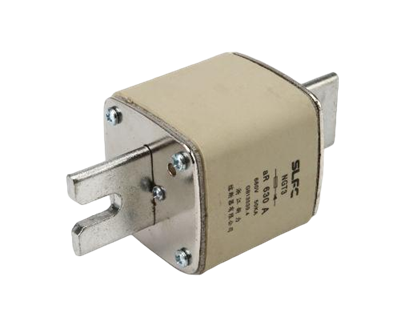
Hey there, fellow solar enthusiasts! As a PV Fuse Holder supplier, I've seen firsthand how crucial it is to choose the right PV fuse holder for your solar power system. In this blog, I'm gonna share some tips and insights to help you make an informed decision.
Understanding PV Fuse Holders
First things first, let's talk about what PV fuse holders are and why they're so important. PV fuse holders are designed to hold fuses in place within a solar power system. They play a vital role in protecting your system from overcurrent and short circuits, which can cause serious damage to your equipment and even pose a safety hazard.

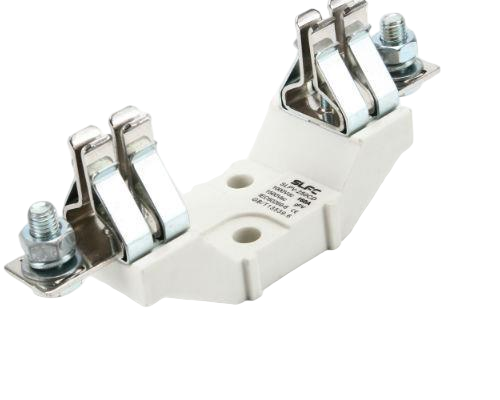
When a fault occurs in your solar system, such as a short circuit or an overcurrent condition, the fuse in the PV fuse holder will blow, interrupting the electrical current and preventing further damage. This is why it's essential to choose a high-quality PV fuse holder that can handle the specific requirements of your solar system.
Factors to Consider When Choosing a PV Fuse Holder
Now that we understand the importance of PV fuse holders, let's dive into the factors you should consider when choosing the right one for your solar system.
Voltage Rating
One of the most important factors to consider is the voltage rating of the PV fuse holder. The voltage rating indicates the maximum voltage that the fuse holder can safely handle. It's crucial to choose a fuse holder with a voltage rating that matches or exceeds the maximum voltage of your solar system.
For example, if your solar system operates at a maximum voltage of 1000VDC, you should choose a PV fuse holder with a voltage rating of at least 1000VDC. Using a fuse holder with a lower voltage rating can result in overheating and potentially cause a fire. You can check out our 1000VDC Fuse for more information on high-voltage fuses.
Current Rating
Another important factor is the current rating of the PV fuse holder. The current rating indicates the maximum current that the fuse holder can safely carry. It's essential to choose a fuse holder with a current rating that matches or exceeds the maximum current of your solar system.
To determine the appropriate current rating, you need to consider the size and capacity of your solar panels, as well as the expected load on your system. Using a fuse holder with a lower current rating can cause the fuse to blow frequently, while using a fuse holder with a higher current rating may not provide adequate protection.
Fuse Type
There are different types of fuses available for PV applications, including fast-acting fuses and time-delay fuses. Fast-acting fuses are designed to blow quickly in the event of a short circuit or overcurrent condition, providing immediate protection. Time-delay fuses, on the other hand, are designed to withstand temporary overloads without blowing, making them suitable for applications where there may be occasional surges in current.
The type of fuse you choose will depend on the specific requirements of your solar system. For example, if your system is prone to short circuits, a fast-acting fuse may be the best choice. If your system experiences occasional surges in current, a time-delay fuse may be more appropriate. You can learn more about different types of fuses on our TUV Solar Fuse page.
Mounting Style
PV fuse holders come in various mounting styles, including DIN rail mount, panel mount, and surface mount. The mounting style you choose will depend on the layout and design of your solar system.
DIN rail mount fuse holders are easy to install and can be mounted on a standard DIN rail, making them a popular choice for industrial and commercial applications. Panel mount fuse holders are designed to be mounted directly on a panel or enclosure, providing a compact and secure installation. Surface mount fuse holders are ideal for applications where space is limited.
Environmental Conditions
The environmental conditions in which your solar system operates can also affect the performance and lifespan of your PV fuse holder. For example, if your system is located in a hot and humid environment, you may need to choose a fuse holder that is designed to withstand high temperatures and moisture.
Some PV fuse holders are designed with special features, such as IP ratings, to protect them from dust, water, and other environmental factors. It's important to choose a fuse holder that is suitable for the specific environmental conditions of your solar system.
Our PV Fuse Holders
As a PV Fuse Holder supplier, we offer a wide range of high-quality PV fuse holders to meet the needs of different solar systems. Our PV fuse holders are designed and manufactured to the highest standards, ensuring reliable performance and long-lasting durability.
We have PV fuse holders with different voltage ratings, current ratings, and mounting styles to choose from. Whether you need a fuse holder for a small residential solar system or a large commercial solar project, we have the right solution for you. You can explore our PV Fuse Holder page to learn more about our products.
Conclusion
Choosing the right PV fuse holder is essential for the safety and reliability of your solar power system. By considering factors such as voltage rating, current rating, fuse type, mounting style, and environmental conditions, you can ensure that you select a fuse holder that meets the specific requirements of your system.
If you have any questions or need help choosing the right PV fuse holder for your solar system, don't hesitate to contact us. We're here to provide you with expert advice and support to help you make the best decision. Whether you're a DIY enthusiast or a professional installer, we can assist you in finding the perfect PV fuse holder for your project.
Let's work together to build a more sustainable future with reliable solar power systems. Contact us today to start the conversation about your PV fuse holder needs and explore the possibilities of enhancing your solar setup.
References
- Solar Energy Industries Association (SEIA)
- National Electrical Code (NEC)
- International Electrotechnical Commission (IEC) standards for PV systems