


Hey there! As a supplier of TUV Solar Fuses, I've seen a whole lot of questions from folks trying to figure out how to compare different brands of these fuses. It can be a bit of a maze out there, with so many options and technical jargon to wade through. But don't worry, I'm here to break it down for you in a way that's easy to understand.
First off, let's talk about what a TUV Solar Fuse is and why it's important. TUV stands for Technischer Überwachungsverein, which is a German organization that tests and certifies products for safety and quality. A TUV Solar Fuse is a type of fuse specifically designed for use in solar power systems. It's crucial for protecting the system from overcurrent situations, which can cause damage to the components and even pose a fire hazard.

Performance Ratings
One of the first things you need to look at when comparing different brands of TUV Solar Fuses is their performance ratings. These ratings tell you how well the fuse will perform under different conditions.
Voltage Rating
The voltage rating is the maximum voltage that the fuse can safely handle. In solar power systems, you'll commonly see 1000VDC Fuse ratings. Make sure the fuse you choose has a voltage rating that matches or exceeds the voltage of your solar system. Using a fuse with a lower voltage rating can lead to premature failure and safety risks.
Current Rating
The current rating is the maximum current that the fuse can carry continuously without blowing. It's important to select a fuse with a current rating that is appropriate for your system's load. If the current rating is too low, the fuse will blow frequently, causing downtime. On the other hand, if the current rating is too high, the fuse may not protect the system effectively in the event of an overcurrent.
Breaking Capacity
The breaking capacity, also known as the interrupting rating, is the maximum current that the fuse can safely interrupt without causing an explosion or other dangerous conditions. A higher breaking capacity is generally better, especially in larger solar systems where the fault current can be quite high.
Physical Characteristics
Another important aspect to consider is the physical characteristics of the fuses.
Size and Shape
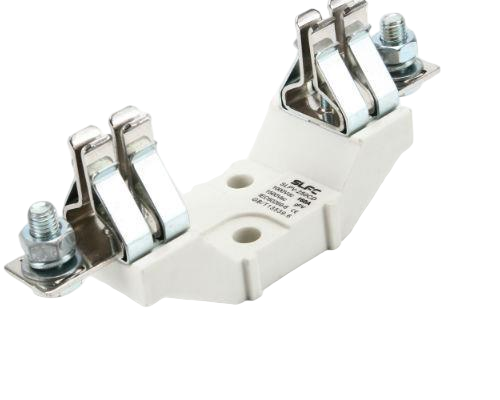
The size and shape of the fuse can affect its installation and compatibility with your system. Some fuses are designed to fit specific types of holders or Solar Fuse Clip. Make sure you choose a fuse that will fit properly in your existing or planned setup.
Terminal Type
The terminal type of the fuse is also important. Different terminals are designed for different connection methods, such as screw terminals or blade terminals. Make sure the terminal type of the fuse matches the connection requirements of your system.
Quality and Reliability
When it comes to solar fuses, quality and reliability are non - negotiable.
Manufacturing Standards
Look for fuses that are manufactured to high - quality standards. TUV certification is a good indication of quality, but you can also check if the manufacturer follows other international standards, such as IEC (International Electrotechnical Commission) standards.
Reputation of the Brand
Research the reputation of the brand. Read reviews from other solar system owners or installers. A brand with a good reputation is more likely to produce reliable fuses. You can also check if the brand has a history of product recalls or quality issues.
Cost
Cost is always a factor when making a purchasing decision. However, it's important not to sacrifice quality for a lower price. Cheaper fuses may not offer the same level of performance and reliability as more expensive ones. Compare the prices of different brands, but also consider the long - term costs. A more reliable fuse may save you money in the long run by reducing the risk of system failures and downtime.
Availability and Support
Lastly, consider the availability of the fuses and the support provided by the manufacturer.
Availability
Make sure the brand you choose has a good supply chain. You don't want to run into a situation where you can't get replacement fuses when you need them. Check if the fuses are readily available from local distributors or online retailers.
Manufacturer Support
Good manufacturer support can make a big difference. Look for a brand that offers technical support, product documentation, and a warranty. If you have any questions or issues with the fuses, you want to be able to get help quickly.
Conclusion
Comparing different brands of TUV Solar Fuses may seem like a daunting task, but by considering the performance ratings, physical characteristics, quality and reliability, cost, and availability and support, you can make an informed decision. Remember, choosing the right fuse is crucial for the safety and performance of your solar power system.
If you're in the market for TUV Solar Fuses and want to learn more about our products, or if you have any questions about comparing different brands, feel free to reach out. We're here to help you make the best choice for your solar system. Whether you're a small - scale solar enthusiast or a large - scale solar installer, we've got the expertise and the products to meet your needs. Contact us to start a discussion about your specific requirements and let's work together to find the perfect TUV Solar Fuses for you.
References
- International Electrotechnical Commission (IEC) standards on fuses
- TUV Rheinland and TUV SUD documentation on solar fuse certification
- Industry reports on solar power system components and fuse performance


