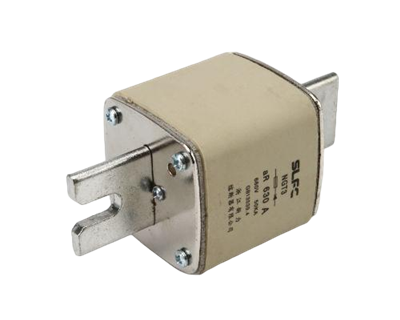
Hey there! As a GPV Fuse supplier, I've seen firsthand how crucial it is to evaluate the performance of these fuses accurately. In this blog, I'll share some key points on how to do just that, so you can make the most informed decisions for your projects.
Understanding the Basics of GPV Fuses
Before we dive into performance evaluation, let's quickly go over what GPV fuses are. GPV fuses are designed to protect electrical circuits from overcurrent conditions. They work by melting a fuse element when the current exceeds a certain level, thus breaking the circuit and preventing damage to the equipment.
Key Performance Indicators
1. Rated Current
The rated current is one of the most fundamental aspects of a fuse's performance. It indicates the maximum current that the fuse can carry continuously without blowing. When evaluating a GPV fuse, make sure the rated current matches the requirements of your circuit. If the rated current is too low, the fuse may blow prematurely. On the other hand, if it's too high, the fuse may not provide adequate protection.
2. Breaking Capacity
The breaking capacity, also known as interrupting rating, is the maximum current that a fuse can safely interrupt without causing an explosion or other dangerous situations. A fuse with a higher breaking capacity is better suited for circuits with high short - circuit currents. For example, in industrial applications where large motors are involved, a GPV fuse with a high breaking capacity is essential.
3. Voltage Rating
The voltage rating of a fuse is the maximum voltage that it can safely interrupt. Using a fuse with a voltage rating lower than the circuit voltage can lead to arcing and failure of the fuse to interrupt the circuit properly. Always ensure that the voltage rating of the GPV fuse is equal to or higher than the operating voltage of your circuit.
4. I²t Value
The I²t value represents the thermal energy let - through by the fuse during a short - circuit event. It's a measure of the fuse's ability to limit the energy released in the circuit. A lower I²t value means that the fuse can clear the fault more quickly and with less energy, reducing the potential damage to the circuit.
Testing Methods
1. Laboratory Testing
In a laboratory setting, you can perform various tests to evaluate the performance of GPV fuses. For example, you can use a current - source to apply different levels of current to the fuse and measure the time it takes to blow. This helps you verify the rated current and the time - current characteristics of the fuse.
2. In - Circuit Testing
In - circuit testing involves installing the fuse in a real - world circuit and monitoring its performance under normal and abnormal conditions. This can give you a more accurate picture of how the fuse will behave in your specific application. However, it's important to ensure that proper safety measures are in place during in - circuit testing.
Application - Specific Considerations
1. Solar Applications
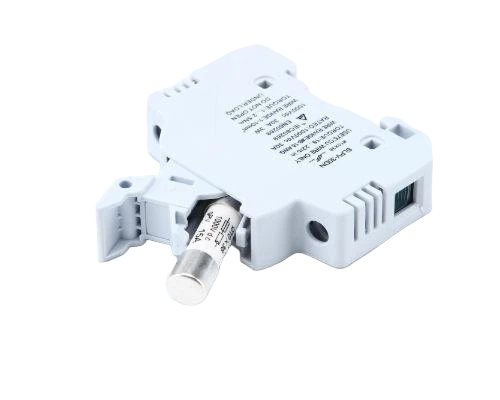
In solar power systems, GPV fuses play a critical role in protecting the PV modules and other components. For solar applications, you need to consider factors such as the DC voltage and current levels. We offer a range of fuses and fuse holders suitable for solar applications, like the DC500V Solar Fuse Holder and the DC1000V Solar PV Fuse Holder Base. Our 500VDC 1A 2A 3A 4A 5A 6A 8A 10A 12A 15A 20A 25A 30A Solar PV Fuse is specifically designed to meet the requirements of solar circuits.
2. Industrial Applications
Industrial circuits often have high - power loads and complex electrical environments. In these applications, GPV fuses need to have high breaking capacities and be able to withstand harsh conditions. You may also need to consider factors such as vibration, temperature variations, and electromagnetic interference.
Quality Assurance
When evaluating the performance of GPV fuses, it's important to source them from a reliable supplier. A good supplier will have strict quality control measures in place. This includes testing the fuses at various stages of production, from raw material inspection to final product testing. Look for suppliers who comply with international standards such as IEC and UL.

Cost - Benefit Analysis
While performance is crucial, cost is also an important factor. You need to balance the performance requirements of your circuit with the cost of the fuses. Sometimes, a slightly more expensive fuse with better performance can save you money in the long run by reducing the risk of equipment damage and downtime.
Conclusion
Evaluating the performance of GPV fuses is a multi - faceted process that involves considering various factors such as rated current, breaking capacity, voltage rating, and I²t value. By understanding these key performance indicators and using appropriate testing methods, you can ensure that you select the right fuses for your applications. Whether you're working on a solar project or an industrial circuit, we have the right GPV fuses and related products to meet your needs.
If you're interested in purchasing GPV fuses or have any questions about their performance evaluation, feel free to reach out to us for a detailed discussion. We're here to help you make the best choices for your electrical protection needs.
References
- Electrical Engineering Handbook, Third Edition
- International Electrotechnical Commission (IEC) Standards
- Underwriters Laboratories (UL) Standards