Hey there, fellow solar energy enthusiasts! As a supplier of PV Fuse Bases, I've seen firsthand how crucial these little components are in keeping solar power systems running smoothly. Today, I want to share some tips on how to extend the lifespan of a PV Fuse Base. So, let's dive right in!
Understanding PV Fuse Bases
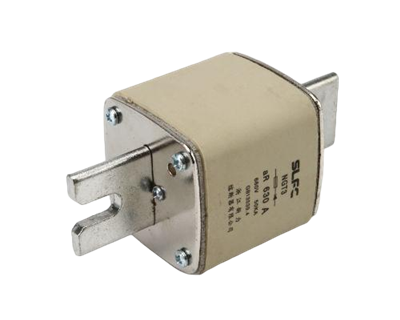
First things first, let's quickly go over what a PV Fuse Base is. A PV Fuse Base is a critical part of a solar photovoltaic (PV) system. It's designed to hold the fuse link in place, ensuring a secure electrical connection. When there's an overcurrent situation in the PV system, the fuse link will blow, protecting the rest of the system from damage. You can find a wide range of PV Fuse Bases on our website PV Fuse Base.
Choosing the Right Fuse Link
One of the most important steps in extending the lifespan of a PV Fuse Base is choosing the right fuse link. The fuse link should be compatible with the PV Fuse Base in terms of voltage, current rating, and physical dimensions. For example, the 10mmx85mm 1500V 50KA Solar PV Fuse Link is a popular choice for many PV systems. Using an incompatible fuse link can cause overheating, premature failure, and even pose a safety hazard. So, make sure to double-check the specifications before making a purchase.


Proper Installation
Proper installation is key to ensuring the long - term performance of a PV Fuse Base. Here are some installation tips:
- Clean the Contacts: Before installing the fuse link in the base, make sure the contacts are clean. Dirt, dust, or corrosion on the contacts can increase resistance, leading to overheating. You can use a clean, dry cloth or a contact cleaner to remove any debris.
- Tighten the Connections: Ensure that the fuse link is properly seated in the base and that the connections are tightened. Loose connections can cause arcing, which can damage the fuse base and the fuse link. However, don't over - tighten, as this can also cause damage.
- Follow the Manufacturer's Instructions: Always follow the manufacturer's installation instructions for the PV Fuse Base. These instructions are designed to ensure safe and proper operation.
Environmental Considerations
The environment in which the PV Fuse Base operates can have a significant impact on its lifespan. Here's what you need to know:
- Temperature: High temperatures can accelerate the aging process of the PV Fuse Base. Try to install the fuse base in a well - ventilated area away from direct sunlight and other heat sources. Conversely, extremely low temperatures can also affect the performance of the fuse base, so take appropriate measures to protect it in cold climates.
- Moisture and Humidity: Moisture and humidity can cause corrosion of the contacts and other components of the PV Fuse Base. Make sure the installation area is dry and, if necessary, use a waterproof enclosure to protect the fuse base.
- Vibration and Shock: Excessive vibration or shock can cause mechanical damage to the PV Fuse Base. Mount the fuse base securely to prevent it from being shaken loose during operation.
Regular Maintenance
Regular maintenance is essential for extending the lifespan of a PV Fuse Base. Here are some maintenance tasks you should perform:
- Visual Inspections: Periodically inspect the PV Fuse Base for any signs of damage, such as cracks, discoloration, or melting. Check the contacts for corrosion or wear. If you notice any issues, replace the fuse base or the fuse link as needed.
- Testing the Fuse Link: Use a fuse tester to check the continuity of the fuse link. A blown fuse link should be replaced immediately. You can also use a multimeter to measure the resistance of the fuse link. If the resistance is significantly different from the rated value, it may indicate a problem.
- Cleaning: Clean the PV Fuse Base regularly to remove any dust, dirt, or debris. You can use a soft brush or compressed air to clean hard - to - reach areas.
Monitoring and Fault Detection
Implementing a monitoring system can help you detect faults in the PV Fuse Base early. Some modern PV systems come with built - in monitoring capabilities that can track the performance of the fuse base and the fuse link. By monitoring parameters such as current, voltage, and temperature, you can identify potential issues before they cause a complete failure. For instance, if you notice a sudden increase in temperature or a change in the current flowing through the fuse base, it could be a sign of a problem.
Training for Installation and Maintenance Personnel
Proper training for the personnel responsible for installing and maintaining the PV Fuse Base is crucial. They should be familiar with the correct installation procedures, maintenance tasks, and safety precautions. This can help prevent mistakes that could shorten the lifespan of the fuse base. Make sure your technicians are up - to - date with the latest industry standards and best practices.
Using High - Quality Products
As a PV Fuse Base supplier, I can't stress enough the importance of using high - quality products. Cheaper alternatives may seem like a good deal at first, but they often lack the durability and reliability of premium products. For example, our SLPV - 32L 10x85 1500Vdc 20A Solar Fuse is made with high - quality materials and undergoes strict quality control measures to ensure long - term performance.
Conclusion
Extending the lifespan of a PV Fuse Base is all about making the right choices, from selecting the appropriate fuse link to proper installation, environmental protection, regular maintenance, and using high - quality products. By following these tips, you can ensure that your PV Fuse Base operates efficiently and safely for many years to come.
If you're in the market for PV Fuse Bases or related products, I'd love to have a chat with you. We've got a wide range of options to meet your needs, and our team of experts is here to provide you with the best solutions. Whether you're working on a small residential PV system or a large commercial project, we're here to help. So, don't hesitate to reach out and let's start a discussion about your procurement needs today!
References
- Handbook of Photovoltaic Science and Engineering
- National Electrical Code (NEC)
- Solar Energy International Training Materials