


Hey there! As a supplier of NH PV Fuse, I've seen firsthand how crucial it is to install these fuses correctly. In this blog, I'll walk you through the steps of installing NH PV Fuse properly, so you can ensure the safety and efficiency of your solar power system.
Why Correct Installation Matters
Before we dive into the installation process, let's quickly talk about why getting it right is so important. NH PV Fuses are designed to protect your solar panels and other components from overcurrent situations. If they're not installed correctly, they might not work as intended. This could lead to damage to your equipment, reduced efficiency, and even pose a safety risk. So, taking the time to install them properly is totally worth it.
Tools and Materials You'll Need
First things first, gather all the tools and materials you'll need for the installation. Here's a basic list:

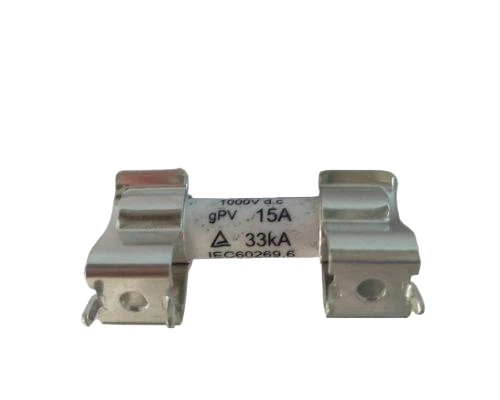
- NH PV Fuse: Of course, you'll need the NH PV Fuse itself. Make sure you've got the right type and rating for your system.
- Screwdriver: A Phillips or flat - head screwdriver, depending on the type of mounting hardware you're using.
- Wrenches: For tightening any nuts or bolts.
- Insulated Gloves: To protect yourself from electrical shock.
- Safety Glasses: To shield your eyes from any debris.
Step 1: Safety First
Safety should always be your top priority when working with electrical components. Before you start the installation, make sure the solar system is turned off. This means disconnecting the DC power source. Put on your insulated gloves and safety glasses to protect yourself from any potential electrical hazards.
Step 2: Choose the Right Location
The location where you install the NH PV Fuse is crucial. It should be in a well - ventilated area to prevent overheating. Avoid placing it near flammable materials or in areas where it could be exposed to water or excessive moisture. Also, make sure it's easily accessible for future maintenance and replacement.
Step 3: Mount the Fuse Holder
Most NH PV Fuses come with a fuse holder. Use your screwdriver or wrenches to mount the fuse holder securely in the chosen location. Make sure it's level and firmly attached. The mounting holes on the fuse holder are usually designed to fit standard mounting hardware, so it should be a relatively straightforward process.
Step 4: Connect the Wires
Now it's time to connect the wires. You'll typically have two wires: one for the incoming DC power and one for the outgoing power. Strip the ends of the wires to expose the bare metal. Insert the wires into the appropriate terminals on the fuse holder. Use your screwdriver to tighten the terminal screws firmly. This ensures a good electrical connection.
Step 5: Insert the NH PV Fuse
Once the wires are connected, carefully insert the NH PV Fuse into the fuse holder. Make sure it's properly seated and that the contacts are making good contact with the terminals in the holder. If the fuse doesn't fit properly, double - check that you have the right type and rating.
Step 6: Double - Check Your Work
After inserting the fuse, take a moment to double - check all your connections. Make sure the wires are securely attached, the fuse is properly seated, and the fuse holder is firmly mounted. Look for any signs of loose connections or exposed wires.
Step 7: Power On and Test
Once you're satisfied with your installation, it's time to turn the power back on. Slowly reconnect the DC power source and monitor the system for any signs of problems. Check the voltage and current readings to make sure everything is working as expected. If you notice any issues, immediately turn off the power and re - check your installation.
Troubleshooting Tips
Even if you follow all the steps correctly, you might run into some issues. Here are a few common problems and how to fix them:
- Fuse Blows Immediately: If the fuse blows as soon as you turn on the power, it could be due to an overcurrent situation. Check for any short circuits in the system or make sure you're using the correct fuse rating.
- Poor Electrical Connection: If you're experiencing low voltage or intermittent power, it could be because of a poor electrical connection. Check the terminals on the fuse holder and make sure the wires are tightened properly.
- Overheating: If the fuse or fuse holder is getting hot, it could be due to a high - current load or a poor connection. Check the system's load and make sure the fuse is rated correctly.
Complementary Components
When working with NH PV Fuses, you might also need some complementary components. For example, DC Fuse for Solar can provide additional protection for your solar system. And Solar Fuse Clip can be used to hold the fuse in place more securely. These components can enhance the overall performance and safety of your solar power system.
Conclusion
Installing NH PV Fuses correctly is essential for the safety and efficiency of your solar power system. By following these steps and taking the necessary safety precautions, you can ensure that your fuses work as intended. If you have any questions or need more information about NH PV Fuses or the installation process, don't hesitate to reach out. We're here to help you make the most of your solar energy investment.
Whether you're a DIY enthusiast or a professional installer, getting the right NH PV Fuse and installing it correctly is a key part of your solar project. If you're interested in purchasing NH PV Fuses or any of the complementary components we mentioned, feel free to contact us for more details. We can provide you with the best products and advice to meet your specific needs. Let's work together to build a more sustainable and efficient solar future!
References
- Solar Energy Handbook
- Electrical Installation Guidelines for PV Systems


