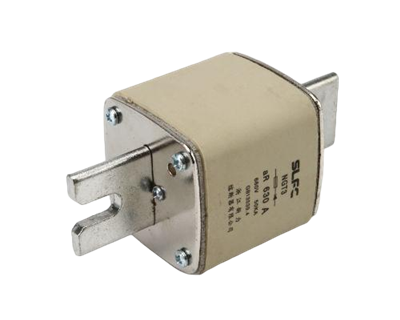
Hey there! As a supplier of RT18 - 125 Fuse, I've seen a lot of customers facing the issue of these fuses blowing frequently. It can be a real pain in the neck, right? But don't worry, I'm here to share some tips on how to prevent this from happening.
First off, let's understand why fuses blow in the first place. A fuse is basically a safety device that protects your electrical circuits from overcurrent. When the current flowing through the circuit exceeds the rated capacity of the fuse, the fuse element melts, breaking the circuit and preventing damage to your equipment. So, if your RT18 - 125 Fuse is blowing frequently, it usually means there's an overcurrent problem in your circuit.


Check the Load
One of the most common reasons for frequent fuse blowing is an excessive load on the circuit. You know, like plugging too many appliances into a single outlet. So, the first thing you need to do is to check the load on the circuit where the RT18 - 125 Fuse is installed. Make sure that the total power consumption of all the devices connected to the circuit doesn't exceed the rated capacity of the fuse.
If you find that the load is too high, you have a couple of options. You can either reduce the number of devices connected to the circuit or upgrade to a higher - rated fuse. But be careful when upgrading the fuse. You can't just put in a higher - rated fuse willy - nilly. You need to make sure that your electrical wiring and other components in the circuit can handle the increased current. Otherwise, you might end up with a more serious problem, like a fire.
Inspect for Short Circuits
Another major cause of frequent fuse blowing is short circuits. A short circuit occurs when a low - resistance path is created between two points in an electrical circuit, allowing a large amount of current to flow. This can happen due to damaged insulation on the wires, loose connections, or faulty electrical components.
To check for short circuits, you'll need to do a thorough inspection of the circuit. Look for any signs of damaged wires, such as frayed insulation or exposed conductors. Check all the connections to make sure they're tight and secure. You can also use a multimeter to test the resistance of the circuit. If the resistance is very low or close to zero, it's a sign of a short circuit.
If you find a short circuit, you need to fix it right away. Replace any damaged wires or components, and make sure all the connections are properly made. Once you've fixed the short circuit, replace the blown fuse with a new one and see if the problem persists.
Consider the Ambient Temperature
The ambient temperature can also have an impact on the performance of your RT18 - 125 Fuse. Fuses are designed to operate within a certain temperature range. If the temperature is too high, the fuse might blow even when the current is within the rated capacity.
So, make sure that the fuse is installed in a well - ventilated area. Avoid placing it near heat sources, such as heaters or motors. If the ambient temperature is consistently high in the area where the fuse is installed, you might need to consider using a fuse with a higher temperature rating.
Use Quality Fuse Holders
The quality of the fuse holder can also affect the performance of the RT18 - 125 Fuse. A poor - quality fuse holder might not provide a good electrical connection, which can lead to overheating and premature fuse blowing.
That's why I always recommend using high - quality fuse holders. You can check out the RT18 - 125 Fuse Holder on our website. It's designed to provide a secure and reliable connection for the fuse, ensuring optimal performance.
Check for Voltage Fluctuations
Voltage fluctuations can cause the current to spike, which can blow the fuse. You need to make sure that the voltage in your electrical system is stable. You can use a voltage regulator to maintain a constant voltage level. If you notice frequent voltage fluctuations in your area, it's a good idea to install a surge protector to protect your electrical equipment and fuses.
Choose the Right Fuse Type
There are different types of RT18 - 125 Fuses available, and choosing the right one for your application is crucial. For example, if you're using the fuse in a circuit with a high inrush current, such as a motor or a transformer, you might need to use a time - delay fuse. A time - delay fuse can withstand short - term current surges without blowing, which is ideal for these types of applications.
You can find a variety of 22*58 Fuse options on our website. These fuses are designed to meet different requirements and can help you prevent frequent fuse blowing.
Regular Maintenance
Last but not least, regular maintenance is key to preventing frequent fuse blowing. Inspect your electrical circuits and fuses regularly for any signs of wear or damage. Replace any fuses that are showing signs of aging or degradation. Keep the area around the fuse clean and free of dust and debris.
By following these tips, you can significantly reduce the chances of your RT18 - 125 Fuse blowing frequently. Remember, a little bit of prevention can go a long way in saving you time, money, and headaches.
If you're still having problems with your RT18 - 125 Fuse or if you have any questions about our products, don't hesitate to reach out. We're here to help you find the best solutions for your electrical needs. Whether you need more information about our fuses, fuse holders, or any other related products, we're just a message away. So, feel free to contact us for a procurement discussion, and let's work together to keep your electrical systems running smoothly.
References
- Electrical Engineering Handbook, various editions
- Manufacturer's documentation for RT18 - 125 Fuse