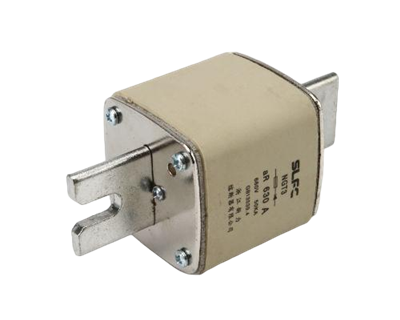
Selecting the right fuse for an NT Fuse Holder is a critical decision that can significantly impact the safety and efficiency of electrical systems. As a trusted NT Fuse Holder supplier, we understand the complexities involved in this process and are here to guide you through it. In this blog, we'll explore the key factors to consider when choosing the appropriate fuse for your NT Fuse Holder, ensuring optimal performance and protection.
Understanding NT Fuse Holders
Before delving into fuse selection, it's essential to have a clear understanding of NT Fuse Holders. NT Fuse Holders are designed to accommodate NT fuses, which are a type of high-rupturing-capacity (HRC) fuse commonly used in industrial and commercial electrical applications. These fuse holders provide a secure and reliable connection for the fuse, protecting the electrical circuit from overcurrent conditions.
There are various types of NT Fuse Holders available, each with its own specifications and features. For example, the NT Fuse Base offers a stable foundation for the fuse, ensuring proper installation and operation. The NH Fuse Holder is another option, known for its high-quality construction and compatibility with NH fuses. Additionally, the NT00 3P Fuse Holder is specifically designed for three-phase applications, providing enhanced protection and performance.
Key Factors in Fuse Selection
When selecting a fuse for an NT Fuse Holder, several factors need to be taken into account. These factors include:
1. Rated Current
The rated current of a fuse is the maximum current that the fuse can carry continuously without blowing. It's crucial to choose a fuse with a rated current that matches the normal operating current of the electrical circuit. If the rated current is too low, the fuse may blow prematurely, causing unnecessary downtime. On the other hand, if the rated current is too high, the fuse may not provide adequate protection in the event of an overcurrent condition.
To determine the appropriate rated current, you need to consider the load requirements of the electrical circuit. This includes the power consumption of the connected devices, as well as any potential inrush currents. It's also important to take into account any future expansion or changes to the electrical system, as this may affect the current requirements.
2. Voltage Rating
The voltage rating of a fuse is the maximum voltage that the fuse can safely interrupt. It's essential to choose a fuse with a voltage rating that is equal to or higher than the maximum voltage of the electrical circuit. Using a fuse with a lower voltage rating can result in arcing and damage to the fuse and the electrical system.
When selecting a fuse based on voltage rating, you need to consider the type of electrical system, whether it's a single-phase or three-phase system, and the nominal voltage of the circuit. It's also important to account for any voltage fluctuations or surges that may occur in the electrical system.
3. Breaking Capacity
The breaking capacity of a fuse is the maximum current that the fuse can safely interrupt under short-circuit conditions. It's crucial to choose a fuse with a breaking capacity that is sufficient to handle the potential short-circuit current in the electrical circuit. If the breaking capacity is too low, the fuse may not be able to interrupt the circuit safely, leading to damage to the electrical equipment and potentially causing a fire.
To determine the appropriate breaking capacity, you need to calculate the prospective short-circuit current at the point of installation. This involves considering the source impedance of the electrical system, as well as the type and configuration of the electrical circuit. It's recommended to consult with a qualified electrical engineer or use specialized software to accurately calculate the short-circuit current.
4. Time-Current Characteristics
The time-current characteristics of a fuse describe how the fuse responds to different levels of overcurrent. There are two main types of time-current characteristics: fast-acting and slow-acting. Fast-acting fuses are designed to blow quickly in the event of a short-circuit or severe overcurrent, providing immediate protection to the electrical circuit. Slow-acting fuses, on the other hand, are designed to withstand temporary overloads without blowing, making them suitable for applications where inrush currents are common.
When selecting a fuse based on time-current characteristics, you need to consider the nature of the electrical load. For example, inductive loads such as motors and transformers typically require slow-acting fuses to accommodate the inrush currents. Resistive loads, on the other hand, may be better suited for fast-acting fuses.
5. Ambient Temperature
The ambient temperature can have a significant impact on the performance of a fuse. As the temperature increases, the resistance of the fuse element also increases, which can cause the fuse to blow at a lower current than its rated current. It's important to choose a fuse that is designed to operate within the expected ambient temperature range of the electrical system.
When selecting a fuse based on ambient temperature, you need to consider the location of the fuse holder and the environmental conditions in which it will be installed. If the ambient temperature is expected to be high, you may need to choose a fuse with a higher temperature rating or derate the fuse to ensure reliable operation.
Compatibility with NT Fuse Holders
In addition to the above factors, it's important to ensure that the selected fuse is compatible with the NT Fuse Holder. This includes considering the physical dimensions of the fuse, as well as the type of connection required. NT Fuse Holders are designed to accommodate specific fuse sizes and types, so it's essential to choose a fuse that matches the specifications of the fuse holder.
When selecting a fuse for an NT Fuse Holder, you should refer to the manufacturer's documentation for both the fuse holder and the fuse. This will provide you with detailed information on the compatibility requirements and ensure that you choose the right fuse for your application.
Testing and Certification
When purchasing fuses for your NT Fuse Holders, it's important to ensure that they have been tested and certified to meet relevant international standards. This includes standards such as IEC 60269, which specifies the requirements for low-voltage fuses. Fuses that have been tested and certified to these standards have undergone rigorous testing to ensure their performance and safety.
Look for fuses that are marked with the appropriate certification marks, such as the CE mark or the UL mark. These marks indicate that the fuses have been tested and meet the relevant standards. It's also a good idea to purchase fuses from a reputable supplier who can provide you with documentation to verify the certification of the fuses.
Conclusion
Selecting the right fuse for an NT Fuse Holder is a critical decision that requires careful consideration of several factors. By taking into account the rated current, voltage rating, breaking capacity, time-current characteristics, ambient temperature, and compatibility with the fuse holder, you can ensure that your electrical system is protected from overcurrent conditions.
As a leading NT Fuse Holder supplier, we have a wide range of fuses available to meet your specific requirements. Our team of experts is also available to provide you with technical support and guidance to help you select the right fuse for your application. If you have any questions or need assistance with fuse selection, please don't hesitate to contact us. We look forward to working with you to ensure the safety and efficiency of your electrical systems.


References
- IEC 60269 - Low-voltage fuses.
- Manufacturer's documentation for NT Fuse Holders and fuses.