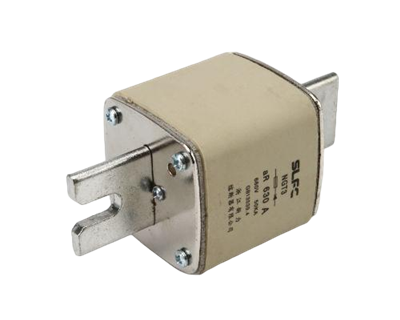
When it comes to ensuring the safety and reliability of an electrical circuit, especially one with a variable load, selecting the right RT14 fuse is crucial. As an RT14 fuse supplier, I understand the challenges and considerations involved in this process. In this blog, I'll share insights on how to make an informed decision when choosing an RT14 fuse for a circuit with a variable load.
Understanding Variable Loads
A variable load is a load that changes in magnitude over time. This can occur in various electrical systems, such as motor - driven equipment, where the load varies depending on the motor's operating conditions. For example, during the startup of a motor, the inrush current can be several times higher than the normal operating current. This high inrush current is only present for a short period, but it can stress the circuit components. Another example is a lighting system with dimmers, where the power consumption changes as the light intensity is adjusted.
Understanding the characteristics of the variable load is the first step in selecting the appropriate RT14 fuse. You need to know the maximum and minimum load currents, the duration of the high - load periods, and the frequency of load changes.
Key Parameters for RT14 Fuse Selection
Current Rating
The current rating of an RT14 fuse is perhaps the most important parameter. It is the maximum current that the fuse can carry continuously without blowing. For a circuit with a variable load, you should select a fuse with a current rating that can handle the normal operating current of the load. However, it is also essential to consider the inrush current. A fuse with a current rating that is too low may blow prematurely during the startup or high - load periods of the variable load, causing unnecessary downtime. On the other hand, a fuse with a current rating that is too high may not provide adequate protection in case of a fault.
As a general rule of thumb, if the inrush current is short - lived (less than a few seconds), you can choose a fuse with a current rating slightly higher than the normal operating current. For example, if the normal operating current of a motor is 15A and the inrush current is 60A for 1 - 2 seconds, you might consider a fuse with a current rating of 20A.
Voltage Rating
The voltage rating of the RT14 fuse must be equal to or greater than the maximum voltage of the circuit. Using a fuse with a lower voltage rating can lead to arcing and failure to interrupt the circuit safely in case of a fault. When working with a circuit that has a variable voltage (although less common in most standard applications), make sure to select a fuse with a voltage rating that can handle the peak voltage.
Breaking Capacity
The breaking capacity, also known as the interrupting rating, is the maximum short - circuit current that the fuse can safely interrupt without exploding or causing further damage to the circuit. In a circuit with a variable load, there is always a risk of a short - circuit occurring during high - load conditions. Therefore, it is crucial to select an RT14 fuse with a breaking capacity that is appropriate for the available short - circuit current of the system. Consult the electrical system's documentation or perform a short - circuit analysis to determine the available short - circuit current.


Types of RT14 Fuses for Variable Loads
Fast - Acting Fuses
Fast - acting fuses are designed to blow quickly when the current exceeds the rated value. They are suitable for circuits where the overcurrent needs to be interrupted rapidly to protect sensitive components. However, in a circuit with a variable load, fast - acting fuses may not be the best choice if the load has high inrush currents. The inrush current might cause the fast - acting fuse to blow prematurely, even though it is a normal part of the load's operation.
Time - Delay Fuses
Time - delay fuses, also known as slow - blow fuses, are more suitable for circuits with variable loads. They can withstand short - term overcurrents, such as inrush currents, without blowing. These fuses have a built - in time - delay mechanism that allows them to tolerate temporary increases in current. When the overcurrent persists for a longer time, the time - delay fuse will eventually blow, protecting the circuit. In a motor - driven circuit, for instance, a time - delay fuse can handle the startup inrush current and still provide protection against long - term overcurrents.
Compatibility with Other Circuit Components
When selecting an RT14 fuse for a circuit with a variable load, you also need to consider its compatibility with other circuit components. The fuse must be able to work in harmony with the switches, contactors, and other protective devices in the system. For example, if the circuit uses a specific type of switch or contactor, make sure that the selected fuse has the appropriate characteristics for proper coordination.
Additionally, the physical size and mounting requirements of the RT14 fuse should match the available space in the electrical panel. There are different base options available for RT14 fuses, such as the RT14 - 20 Base, RT14 - 63 Fuse Base, and RT14 - 32 Fuse Holder. Make sure to choose the right base or holder for your application.
Considerations for Different Industries
The selection of an RT14 fuse for a circuit with a variable load can also vary depending on the industry. For example, in the industrial manufacturing sector, where heavy machinery with large motors is common, time - delay fuses with higher current and breaking capacities are often required. These fuses need to be able to handle the high inrush currents associated with motor startup and protect the equipment from long - term overcurrents.
In the commercial building sector, such as office buildings or shopping malls, the variable loads may come from lighting systems, HVAC units, and office equipment. The fuses selected should be able to handle the normal operating currents of these loads as well as any short - term increases in current, such as those that occur when multiple pieces of equipment are turned on simultaneously.
In the automotive industry, where electrical systems are designed to operate under harsh conditions, RT14 fuses need to be selected based on the specific requirements of the vehicle's electrical components. The fuses must be able to withstand vibrations, temperature variations, and electrical surges.
Testing and Verification
Before finalizing the selection of an RT14 fuse for a circuit with a variable load, it is advisable to conduct some testing and verification. You can use a test rig to simulate the variable load conditions and observe the behavior of the fuse. Measure the inrush current, the normal operating current, and the time - to - blow characteristics of the fuse under different load scenarios. This will help you ensure that the selected fuse meets the requirements of your circuit.
Conclusion
Selecting the right RT14 fuse for a circuit with a variable load is a complex process that requires a thorough understanding of the load characteristics, the fuse parameters, and the system requirements. As an RT14 fuse supplier, I am here to help you make the best - informed decision. By considering factors such as current rating, voltage rating, breaking capacity, and the type of fuse, you can ensure the safety and reliability of your electrical circuit.
If you are in the process of selecting an RT14 fuse for your circuit with a variable load, or if you have any questions about our products, I encourage you to reach out to me. We can discuss your specific requirements in detail and help you find the most suitable RT14 fuse for your application.
References
- Electrical Safety Standards Handbook
- Fuse Selection Guide by Industry Experts
- Technical Documentation on RT14 Fuses