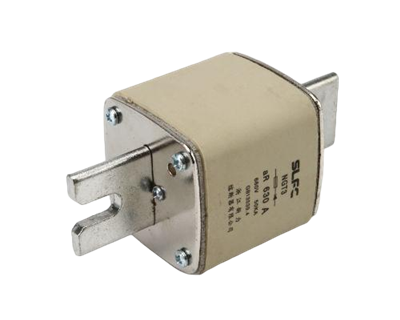
Hey there! As a PV Fuse Base supplier, I know how crucial it is to ensure that these components work flawlessly. Testing a PV Fuse Base is no small feat, but with the right know - how, it can be a breeze. In this blog, I'll walk you through the steps of testing a PV Fuse Base.
Why Test a PV Fuse Base?
Before we dive into the testing process, let's talk about why it's so important. PV Fuse Bases are key parts in solar power systems. They hold the fuses that protect the system from over - current situations. If a fuse base fails, it can lead to a whole host of problems, like electrical shorts, equipment damage, and even safety hazards. So, regular testing helps prevent these issues and keeps your solar setup running smoothly.
Tools You'll Need
First things first, you gotta gather the right tools. You'll need a multimeter, which is super handy for measuring voltage, current, and resistance. A continuity tester can also be useful to check if there's a continuous electrical path. And don't forget about safety gear, like insulated gloves and safety glasses. Safety should always be your top priority when working with electrical components.
Visual Inspection
The first step in testing a PV Fuse Base is a good old - fashioned visual inspection. Take a close look at the fuse base for any signs of physical damage. Check for cracks, burns, or corrosion on the terminals. These issues can cause poor electrical contact, which can mess up the performance of the fuse base. If you see any visible damage, it's a good idea to replace the fuse base right away.
Checking for Continuity
Once you've done the visual check, it's time to test for continuity. This is where your continuity tester or multimeter comes in. Set your multimeter to the continuity setting. Then, touch the probes to the terminals of the fuse base. If the multimeter beeps or shows a very low resistance (close to zero), it means there's continuity, and the electrical path is intact. If there's no beep or the resistance is very high, there might be a break in the circuit, and the fuse base could be faulty.
Measuring Resistance
Next up, measure the resistance of the fuse base. Switch your multimeter to the resistance setting. Connect the probes to the terminals of the fuse base. The resistance value should be within the specifications provided by the manufacturer. If the resistance is too high, it could indicate a problem, like a loose connection or a damaged component inside the fuse base.
Testing Under Load
Testing the PV Fuse Base under load is a bit more advanced but very important. You'll need to simulate a real - world operating condition. This means connecting the fuse base to a power source and a load that's similar to what it would encounter in a solar power system. Monitor the voltage and current during the test. If the voltage drops significantly or the current spikes, it could be a sign that the fuse base isn't handling the load properly.
Compatibility with Fuses
Another crucial aspect is to make sure the PV Fuse Base is compatible with the fuses you're using. Different fuses have different ratings, like voltage and current ratings. You need to ensure that the fuse base can handle the specific fuses you've installed. For example, our SLPV - 32L 10x85 1500Vdc 20A Solar Fuse is designed to work with certain types of fuse bases. Using an incompatible fuse can lead to premature failure of the fuse or the fuse base.
Environmental Testing
PV Fuse Bases are often exposed to various environmental conditions, like heat, humidity, and sunlight. It's a good idea to perform some environmental testing. You can use a climate chamber to simulate different temperatures and humidity levels. Observe how the fuse base performs under these conditions. If it starts to malfunction at high temperatures or high humidity, it might not be suitable for outdoor solar applications.
Contact Resistance Testing
Contact resistance is a big deal when it comes to PV Fuse Bases. High contact resistance can cause heat to build up, which can damage the fuse base and the fuse. To test contact resistance, you can use a four - wire measurement technique with your multimeter. This method gives you a more accurate reading of the resistance at the contact points. Low contact resistance means better electrical performance.


Testing with Different Fuse Types
It's also a good idea to test the fuse base with different types of fuses. This helps you understand how the base performs with various fuse ratings and characteristics. For example, you can try using a Solar PV String Fuse and a 10mmx85mm 1500V 50KA Solar PV Fuse Link and see how the base behaves. This can give you a better idea of the base's versatility and compatibility with different fuses in your solar system.
Documentation
Throughout the testing process, it's important to keep detailed documentation. Write down all the test results, including the date, time, measurements, and any observations you made. This documentation can be really useful for future reference, especially if you need to troubleshoot any issues or if you're providing a report to a client.
Conclusion
Testing a PV Fuse Base is an essential part of maintaining a reliable solar power system. By following these steps and using the right tools, you can ensure that your fuse bases are in good working condition. If you're in the market for high - quality PV Fuse Bases or have any questions about testing, don't hesitate to reach out. We're here to help you make the best choices for your solar setup and keep your system running at its best. Whether you're a DIY solar enthusiast or a professional installer, we've got the products and expertise to support you. Contact us to start a discussion about your PV Fuse Base needs and let's work together to make your solar project a success.
References
- Electrical Safety Standards for Solar PV Systems
- Manufacturer's Specifications for PV Fuse Bases and Fuses