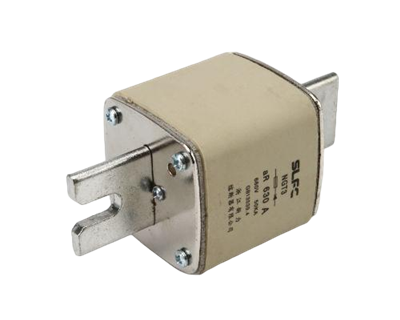
Hey there! As a supplier of RT18 - 63 Fuses, I often get asked about how to test if these fuses are working properly. In this blog, I'm gonna share some practical methods to help you figure out whether your RT18 - 63 Fuse is in good shape or not.
Understanding the RT18 - 63 Fuse
Before we dive into the testing methods, let's quickly go over what the RT18 - 63 Fuse is all about. The RT18 - 63 Fuse is a widely used electrical component that provides over - current protection in various electrical circuits. It's designed to break the circuit when the current exceeds a certain rated value, thus preventing damage to other electrical devices.
Visual Inspection
The first and easiest way to start testing an RT18 - 63 Fuse is through a visual inspection. You don't need any fancy tools for this one. Just take a good look at the fuse.
- Check the Fuse Element: The fuse element is the thin wire inside the fuse. If it's visibly broken or melted, then the fuse is definitely blown. This can happen due to over - current situations, short circuits, or just old age. For example, if there was a sudden power surge in the circuit, the fuse element might have taken the hit and melted.
- Look for Physical Damage: Examine the outer casing of the fuse. Cracked or chipped casings can also indicate a problem. Physical damage can affect the performance of the fuse and may even lead to it malfunctioning. Sometimes, during installation or handling, the fuse might get bumped around, causing such damage.
Using a Multimeter
If the visual inspection doesn't give you a clear answer, it's time to bring out the multimeter. A multimeter is a handy tool that can measure different electrical properties like voltage, current, and resistance.
Resistance Testing
- Set the Multimeter: First, turn the multimeter to the resistance (ohms) setting. Make sure you select an appropriate range. For an RT18 - 63 Fuse, a low - resistance range is usually a good start.
- Test the Fuse: Connect the two probes of the multimeter to the two ends of the fuse. If the fuse is working properly, the multimeter should show a very low resistance value, close to zero. This indicates that the fuse element is intact and current can flow through it. On the other hand, if the multimeter shows infinite resistance (OL on some multimeters), it means the fuse is blown.
Continuity Testing
Some multimeters also have a continuity setting. This setting is really useful as it gives you an audible beep when there's a continuous electrical path.
- Set the Multimeter to Continuity: Just like with the resistance test, switch the multimeter to the continuity mode.
- Test the Fuse: Connect the probes to the fuse. If the fuse is good, you'll hear a beep, which means there's continuity in the circuit. No beep? Then the fuse is likely blown.
Load Testing
Load testing is a more advanced way to check if the RT18 - 63 Fuse is working as it should. This method involves applying a known load to the circuit and monitoring the fuse's behavior.
- Prepare the Circuit: Make sure you have a safe and controlled circuit setup. Connect the RT18 - 63 Fuse to the circuit along with a load, such as a resistor or a small electrical device.
- Apply the Load: Slowly increase the load in the circuit while keeping an eye on the fuse. If the fuse is working properly, it should remain intact until the current exceeds its rated value. At that point, the fuse should blow and break the circuit.
It's important to note that load testing should be done with caution. Make sure you have proper safety measures in place, such as wearing protective gear and working in a well - ventilated area.
Importance of Regular Testing
Regularly testing your RT18 - 63 Fuses is crucial for maintaining the safety and reliability of your electrical systems. A blown or malfunctioning fuse can lead to all sorts of problems, from minor electrical glitches to major equipment damage or even fire hazards. By testing your fuses on a regular basis, you can catch any issues early and replace the fuses before they cause bigger problems.


Related Products
If you're interested in other related products, we also offer the 14*51 Fuse and the RT18 - 63 Base. These products are designed to work seamlessly with the RT18 - 63 Fuse, providing you with a complete solution for your electrical protection needs.
Contact Us for Purchasing
If you're in the market for high - quality RT18 - 63 Fuses or any of our other products, don't hesitate to reach out. We're always here to help you find the right solutions for your electrical projects. Whether you have questions about testing, installation, or just want to place an order, we're ready to assist.
References
- Electrical Engineering Handbook: Covers basic electrical concepts and testing methods.
- Manufacturer's Manual for RT18 - 63 Fuse: Provides detailed information about the product's specifications and usage.