


Hey there! As a supplier of GPV Fuses, I often get asked about how to test the functionality of these little but crucial components. In this blog, I'm gonna walk you through the ins and outs of testing GPV Fuses, so you can ensure they're working as they should.
Why Test GPV Fuses?
First off, let's talk about why testing GPV Fuses is so important. GPV Fuses are designed to protect electrical circuits from overcurrent situations. If a fuse fails to work properly, it can lead to serious problems like short circuits, electrical fires, or damage to expensive equipment. So, by testing the functionality of GPV Fuses, you're basically taking a proactive step to safeguard your electrical systems.

Tools You'll Need
Before you start testing, you'll need to gather a few tools. Here's what you'll typically need:
- Multimeter: This is a must-have tool for electrical testing. A multimeter can measure voltage, current, and resistance, which are all important parameters when testing fuses.
- Fuse Tester: Some specialized fuse testers are available in the market. These testers are designed specifically to test fuses and can give you a quick indication of whether a fuse is good or bad.
- Safety Equipment: Don't forget to wear safety glasses and insulated gloves to protect yourself from any potential electrical hazards.
Visual Inspection
The first step in testing a GPV Fuse is to do a visual inspection. Take a close look at the fuse. Check for any signs of physical damage, such as a blown element, cracked housing, or discoloration. If you see any of these signs, the fuse is likely to be defective and should be replaced immediately.
Continuity Testing with a Multimeter
If the fuse looks okay visually, the next step is to test its continuity. Continuity testing is a simple way to check if the fuse is conducting electricity properly. Here's how you do it:
- Set your multimeter to the continuity or resistance mode.
- Touch the two probes of the multimeter to the two ends of the fuse.
- If the multimeter beeps or shows a very low resistance (close to zero), it means the fuse has continuity and is working properly.
- If the multimeter doesn't beep and shows infinite resistance, it means the fuse is blown and needs to be replaced.
Overcurrent Testing
While continuity testing can tell you if the fuse is conducting electricity, it doesn't necessarily mean the fuse will work properly under overcurrent conditions. To test the fuse's ability to protect against overcurrent, you'll need to perform an overcurrent test. However, this test should only be done by a qualified professional in a controlled environment, as it involves applying a higher current than the fuse's rated current.
Here's a general overview of how an overcurrent test is done:
- Connect the fuse to a test circuit that can supply a known current.
- Gradually increase the current in the circuit until it reaches the fuse's rated current.
- Monitor the fuse for a certain period of time to see if it blows. If the fuse blows within the specified time, it means the fuse is working properly.
- If the fuse doesn't blow, it could be a sign of a defective fuse or a problem with the test setup.
Testing Fuse Holders
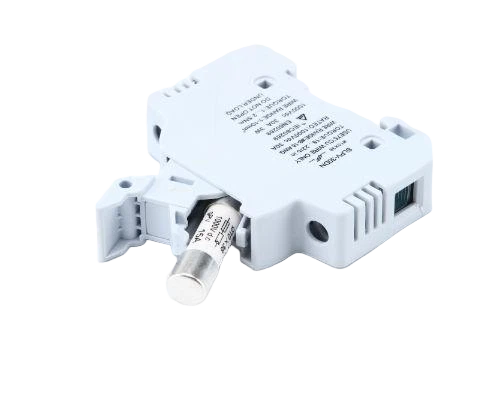
In addition to testing the fuses themselves, it's also important to test the fuse holders. A faulty fuse holder can prevent the fuse from working properly, even if the fuse is in good condition. Here are some ways to test fuse holders:
- Visual Inspection: Just like with fuses, start by doing a visual inspection of the fuse holder. Check for any signs of damage, such as cracks, burns, or loose connections.
- Continuity Testing: Use a multimeter to test the continuity of the fuse holder. Touch the probes of the multimeter to the two terminals of the fuse holder. If the multimeter shows continuity, it means the fuse holder is conducting electricity properly.
- Voltage Testing: You can also test the voltage across the fuse holder to make sure it's supplying the correct voltage to the fuse. Set your multimeter to the voltage mode and touch the probes to the two terminals of the fuse holder. The voltage reading should be within the specified range for the fuse.
Testing in Real-World Applications
Testing GPV Fuses in a laboratory setting is one thing, but it's also important to test them in real-world applications. Here are some tips for testing fuses in real-world situations:
- Monitor the Fuse: Keep an eye on the fuse during normal operation. If you notice any signs of overheating, such as a hot fuse holder or a burning smell, it could be a sign of a problem with the fuse or the electrical circuit.
- Perform Regular Inspections: Make it a habit to perform regular inspections of your electrical systems, including the fuses and fuse holders. This can help you catch any potential problems before they become serious.
- Test After System Changes: If you make any changes to your electrical system, such as adding new equipment or changing the wiring, it's a good idea to test the fuses again to make sure they're still working properly.
Recommended Products
As a GPV Fuse supplier, I'd like to recommend some of our products that are commonly used in solar PV applications. Check out our 500VDC 1A 2A 3A 4A 5A 6A 8A 10A 12A 15A 20A 25A 30A Solar PV Fuse. These fuses are designed to provide reliable overcurrent protection for solar PV systems. We also offer DC500V Solar Fuse Holder and DC1000V TUV RoHS GPV Fuse Holder Base to complement our fuses.
Conclusion
Testing the functionality of GPV Fuses is an important part of maintaining the safety and reliability of your electrical systems. By following the steps outlined in this blog, you can easily test your fuses and ensure they're working properly. If you have any questions or need further assistance, don't hesitate to contact us. We're here to help you with all your GPV Fuse needs. Whether you're looking to purchase fuses or need advice on testing and installation, we're just a message away. Let's work together to keep your electrical systems safe and running smoothly.
References
- Electrical Safety Standards and Guidelines
- Manufacturer's Specifications for GPV Fuses
- Electrical Testing Handbook


