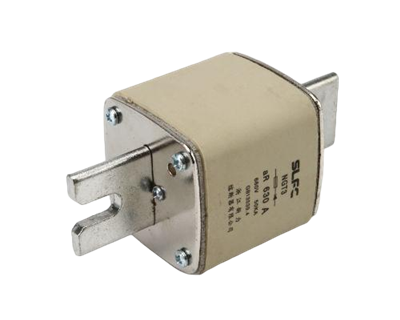
As a seasoned NT Fuse supplier, I've witnessed firsthand the pivotal role these components play in electrical systems. NT fuses are renowned for their reliability and efficiency in protecting circuits from overcurrent situations. However, like any electrical device, they are not immune to faults. In this blog post, I'll delve into the common faults of NT fuses and share practical solutions to address them.
1. Frequent Blowing of NT Fuses
One of the most common issues encountered with NT fuses is their frequent blowing. This can be a frustrating problem as it disrupts the normal operation of the electrical system. There are several reasons why NT fuses may blow frequently:
Overloading
Overloading occurs when the current flowing through the fuse exceeds its rated capacity. This can happen due to the connection of too many electrical devices to a single circuit or the use of high - power appliances. For example, if a circuit is designed to handle a maximum of 10 amps and multiple devices draw a total of 15 amps, the fuse will blow to protect the circuit.
Solution:
- Load Assessment: Conduct a thorough assessment of the electrical load on the circuit. Identify all the devices connected to the circuit and calculate their total power consumption. If the load exceeds the fuse rating, consider redistributing the devices across multiple circuits or upgrading the circuit capacity.
- Upgrade Fuse Rating: In some cases, it may be necessary to upgrade the fuse rating to handle the higher load. However, this should be done with caution as increasing the fuse rating beyond the circuit's design capacity can pose a safety hazard.
Short Circuits
A short circuit occurs when there is an unintended low - resistance connection between two points in an electrical circuit. This can cause a sudden surge in current, which will quickly blow the fuse. Short circuits can be caused by damaged insulation, loose connections, or faulty electrical components.
Solution:
- Inspect the Circuit: Carefully inspect the entire electrical circuit for signs of damage or loose connections. Look for frayed wires, exposed conductors, or burned components. Repair or replace any damaged parts to eliminate the short circuit.
- Use Insulation Testers: Insulation testers can be used to check the integrity of the insulation in the circuit. A low insulation resistance value indicates a potential short circuit.
Faulty Fuse
Sometimes, the fuse itself may be faulty. A defective fuse may have a lower breaking capacity than specified or may have been damaged during installation.
Solution:
- Replace the Fuse: If you suspect that the fuse is faulty, replace it with a new one of the same rating and type. Make sure to use a high - quality fuse from a reputable manufacturer.
2. Inadequate Protection
Another common fault is when the NT fuse fails to provide adequate protection. This can lead to damage to electrical equipment and pose a safety risk.
Incorrect Fuse Selection
Selecting the wrong fuse rating is a common cause of inadequate protection. If the fuse rating is too high, it may not blow quickly enough to protect the circuit from overcurrent. On the other hand, if the fuse rating is too low, it may blow prematurely, causing unnecessary disruptions.
Solution:
- Proper Fuse Selection: When selecting an NT fuse, consider the specific requirements of the electrical circuit. Take into account the normal operating current, the inrush current, and the short - circuit current. Refer to the manufacturer's guidelines and technical specifications to choose the appropriate fuse rating.
- Consult an Expert: If you are unsure about the correct fuse selection, consult an electrical engineer or a professional in the field.
Fuse Aging
Over time, fuses can age and lose their effectiveness. The internal components of the fuse may deteriorate, reducing its breaking capacity.
Solution:
- Regular Inspection and Replacement: Implement a regular inspection and replacement schedule for NT fuses. Check the fuses periodically for signs of aging, such as discoloration or corrosion. Replace the fuses at recommended intervals to ensure reliable protection.
3. Temperature - Related Issues
Temperature can have a significant impact on the performance of NT fuses. High temperatures can cause the fuse to blow prematurely, while low temperatures can affect its breaking capacity.
High Ambient Temperature
High ambient temperatures can increase the operating temperature of the fuse, which can reduce its lifespan and cause it to blow prematurely. This is because the resistance of the fuse element increases with temperature, leading to more heat generation.

Solution:
- Improve Ventilation: Ensure that the area around the fuse is well - ventilated. Provide adequate air circulation to dissipate the heat generated by the fuse. This can be achieved by installing fans or vents in the electrical enclosure.
- Select Fuses with Higher Temperature Ratings: When operating in high - temperature environments, choose NT fuses with higher temperature ratings. These fuses are designed to withstand elevated temperatures without compromising their performance.
Low Ambient Temperature
Low ambient temperatures can also affect the performance of NT fuses. At low temperatures, the fuse element may become more brittle, which can reduce its breaking capacity.
Solution:
- Use Temperature - Compensated Fuses: Some NT fuses are designed with temperature - compensation features. These fuses can maintain their performance over a wide range of temperatures, ensuring reliable protection even in cold environments.
4. Poor Contact
Poor contact between the fuse and its holders can lead to increased resistance, which can cause the fuse to overheat and blow. This can be caused by loose connections, dirty contacts, or corroded terminals.
Solution:
- Tighten Connections: Ensure that the fuse is properly seated in its holder and that all connections are tight. Use a torque wrench to tighten the terminals to the recommended specifications.
- Clean Contacts: Clean the contacts of the fuse and the holder regularly to remove any dirt, dust, or corrosion. You can use a contact cleaner or a fine - grit sandpaper to clean the contacts.
Types of NT Fuses and Their Considerations
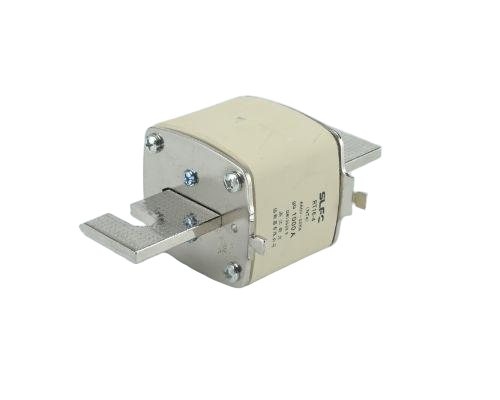
There are different types of NT fuses available in the market, such as NGTC Fuse, NH1 Fuse, and NH4 Fuse. Each type has its own characteristics and applications.
- NGTC Fuse: These fuses are known for their high breaking capacity and are suitable for use in high - power electrical systems. When using NGTC fuses, it is important to ensure that the fuse rating is compatible with the system requirements.
- NH1 Fuse: NH1 fuses are commonly used in industrial applications. They offer reliable protection against overcurrent and short circuits. Regular inspection of NH1 fuses is essential to ensure their proper functioning.
- NH4 Fuse: NH4 fuses are designed for use in circuits with high inrush currents. They can withstand the initial surge of current without blowing prematurely. However, proper selection and installation are crucial to ensure their effectiveness.
Conclusion
NT fuses are essential components in electrical systems, providing protection against overcurrent and short circuits. By understanding the common faults of NT fuses and implementing the appropriate solutions, you can ensure the reliable operation of your electrical circuits. Whether you are dealing with frequent blowing, inadequate protection, temperature - related issues, or poor contact, there are practical steps you can take to address these problems.
As a NT Fuse supplier, I am committed to providing high - quality fuses and expert advice to our customers. If you are experiencing any issues with NT fuses or need assistance in selecting the right fuse for your application, I encourage you to contact us for a procurement discussion. We have a team of experienced professionals who can help you find the best solutions for your electrical protection needs.
References
- Electrical Engineering Handbook, Third Edition
- Fuse Manufacturer's Technical Documentation
- National Electrical Code (NEC)