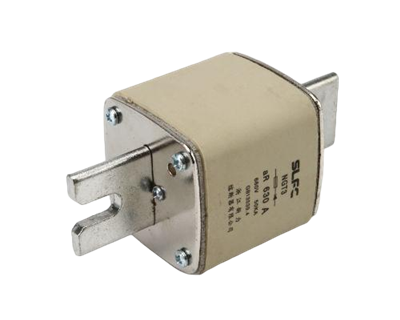
As a trusted supplier of GPV Fuses, I understand the critical importance of environmental considerations when it comes to using these essential components. GPV Fuses play a vital role in protecting photovoltaic (PV) systems from overcurrent conditions, ensuring the safety and reliability of solar energy generation. In this blog post, I will delve into the environmental requirements for using GPV Fuses, providing valuable insights for PV system designers, installers, and operators.
Temperature and Humidity
One of the primary environmental factors that can affect the performance of GPV Fuses is temperature. These fuses are designed to operate within a specific temperature range, typically between -40°C and 85°C. Extreme temperatures can cause the fuse element to expand or contract, altering its electrical characteristics and potentially leading to premature failure. High temperatures can also accelerate the aging process of the fuse, reducing its overall lifespan.
Humidity is another crucial environmental factor to consider. Excessive humidity can lead to corrosion of the fuse terminals and other components, which can increase the resistance and cause overheating. In addition, moisture can penetrate the fuse housing, compromising its insulation properties and increasing the risk of electrical arcing. To mitigate these risks, it is essential to install GPV Fuses in a dry environment and ensure proper ventilation to prevent the buildup of moisture.
Dust and Contamination
Dust and other contaminants can also have a significant impact on the performance of GPV Fuses. Dust particles can accumulate on the fuse element and terminals, increasing the resistance and generating heat. This can lead to premature failure of the fuse and potentially cause damage to the PV system. In addition, contaminants such as dirt, oil, and chemicals can corrode the fuse components, reducing their reliability and lifespan.
To prevent dust and contamination from affecting the performance of GPV Fuses, it is important to install them in a clean environment and use appropriate protective enclosures. Regular maintenance and cleaning of the PV system can also help to remove any accumulated dust and contaminants, ensuring the optimal performance of the fuses.
Vibration and Shock
Vibration and shock can also pose a risk to the performance of GPV Fuses. These fuses are designed to withstand a certain level of mechanical stress, but excessive vibration or shock can cause the fuse element to break or become loose, leading to a loss of electrical continuity. In addition, vibration and shock can cause the fuse terminals to loosen, increasing the resistance and generating heat.
To minimize the risk of vibration and shock damage, it is important to install GPV Fuses in a stable location and use appropriate mounting hardware. In addition, it is recommended to use shock-absorbing materials to isolate the fuses from any sources of vibration or shock.
UV Radiation
UV radiation can also have a detrimental effect on the performance of GPV Fuses. Prolonged exposure to UV radiation can cause the fuse housing to degrade, reducing its mechanical strength and insulation properties. In addition, UV radiation can cause the fuse element to oxidize, increasing its resistance and potentially leading to premature failure.
To protect GPV Fuses from UV radiation, it is important to install them in a shaded location or use appropriate UV-resistant enclosures. In addition, it is recommended to use fuses with UV-stabilized materials to ensure their long-term performance in outdoor environments.
Altitude
Altitude can also affect the performance of GPV Fuses. At high altitudes, the air pressure is lower, which can cause the fuse element to operate at a higher temperature. This can increase the risk of premature failure and reduce the overall lifespan of the fuse. In addition, the lower air pressure can also affect the arc quenching ability of the fuse, increasing the risk of electrical arcing.
To ensure the proper performance of GPV Fuses at high altitudes, it is important to select fuses that are specifically designed for high-altitude applications. These fuses are typically rated for a lower maximum operating temperature and have improved arc quenching capabilities to compensate for the lower air pressure.
Compliance with Standards
When using GPV Fuses, it is important to ensure that they comply with relevant industry standards and regulations. These standards specify the minimum requirements for the design, performance, and safety of PV fuses, ensuring their reliability and compatibility with PV systems. Some of the key standards that apply to GPV Fuses include UL 2579, IEC 60269-6, and VDE 0636-6-1.
By using GPV Fuses that comply with these standards, PV system designers, installers, and operators can ensure the safety and reliability of their systems. In addition, compliance with standards can also help to meet the requirements of insurance companies and regulatory authorities, ensuring that the PV system is eligible for financing and incentives.
Conclusion
In conclusion, the environmental requirements for using GPV Fuses are critical to ensuring their optimal performance and reliability. Temperature, humidity, dust, contamination, vibration, shock, UV radiation, altitude, and compliance with standards are all important factors to consider when selecting and installing GPV Fuses in PV systems. By understanding these requirements and taking appropriate measures to mitigate the risks, PV system designers, installers, and operators can ensure the long-term performance and safety of their systems.
If you are interested in learning more about GPV Fuses or would like to discuss your specific requirements, please feel free to contact us. We are a leading supplier of Bolted Photovoltaic Fuse, 1000VDC GPV Fuse, and DC1000V Solar PV Fuse Holder Base, and we are committed to providing our customers with high-quality products and excellent customer service. Let's work together to ensure the success of your PV projects.


References
- UL 2579: Standard for Safety for Photovoltaic Fuses
- IEC 60269-6: Low-voltage fuses - Part 6: Supplementary requirements for fuses for photovoltaic applications
- VDE 0636-6-1: Fuses - Part 6: Fuses for photovoltaic applications - General requirements and requirements for fuses for PV arrays