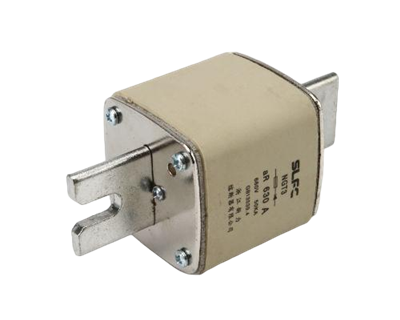
What is the aging mechanism of RT18 - 125 Fuse?
As a reliable supplier of RT18 - 125 Fuses, I've witnessed firsthand the importance of understanding the aging mechanism of these crucial electrical components. Fuses are the unsung heroes in electrical systems, protecting circuits from over - current situations. The RT18 - 125 Fuse, in particular, is widely used in various industrial and commercial applications due to its reliable performance and durability. However, like all electrical components, it is subject to aging, which can significantly impact its functionality.


1. Physical and Chemical Changes in the Fuse Element
The fuse element is the heart of the RT18 - 125 Fuse. It is typically made of a metal alloy with a low melting point, such as tin - lead or silver - copper alloys. Over time, several physical and chemical changes occur in the fuse element that contribute to its aging.
One of the primary factors is oxidation. When the fuse is in operation, the metal element is exposed to the surrounding air, and oxygen in the air reacts with the metal surface. This oxidation process forms a layer of metal oxide on the surface of the fuse element. For example, in the case of a copper - based fuse element, copper reacts with oxygen to form copper oxide (CuO). This oxide layer has different electrical and thermal properties compared to the pure metal. It can increase the electrical resistance of the fuse element, which in turn leads to more heat generation during normal operation.
Thermal cycling is another significant factor. During the normal on - off cycles of the electrical circuit, the fuse element experiences repeated heating and cooling. When the current flows through the fuse, the element heats up due to the Joule effect (P = I²R, where P is the power dissipated as heat, I is the current, and R is the resistance). When the current is interrupted, the element cools down. These thermal cycles cause mechanical stress on the fuse element. The expansion and contraction of the metal during heating and cooling can lead to micro - cracks in the element. These micro - cracks further increase the resistance of the fuse, accelerating the aging process.
2. Environmental Factors
The environment in which the RT18 - 125 Fuse operates plays a crucial role in its aging mechanism. High humidity is a common environmental factor that can affect the fuse. Moisture in the air can accelerate the oxidation process of the fuse element. Water molecules can react with the metal oxide layer on the surface of the fuse, forming hydroxides or other compounds. For instance, copper oxide can react with water to form copper hydroxide (Cu(OH)₂). This not only increases the resistance of the fuse but also weakens the mechanical structure of the element.
Contaminants in the environment can also have a negative impact on the fuse. Dust, dirt, and chemical pollutants can accumulate on the surface of the fuse. These contaminants can act as insulators, reducing the heat dissipation efficiency of the fuse. As a result, the temperature of the fuse element during operation is higher than normal, which speeds up the aging process.
Temperature is another critical environmental factor. High - temperature environments can significantly accelerate the aging of the RT18 - 125 Fuse. According to the Arrhenius equation, the rate of chemical reactions (such as oxidation) increases exponentially with temperature. In a high - temperature environment, the oxidation rate of the fuse element is much faster, and the mechanical stress caused by thermal cycling is more severe. On the other hand, extremely low temperatures can also affect the fuse. At low temperatures, the metal becomes more brittle, increasing the risk of mechanical failure.
3. Electrical Stress
Electrical stress is a major contributor to the aging of the RT18 - 125 Fuse. Over - current events are one of the most common forms of electrical stress. When the current flowing through the fuse exceeds its rated current, the fuse element heats up rapidly. This excessive heat can cause the metal to melt or vaporize in extreme cases. Even if the over - current event is short - lived, it can cause permanent damage to the fuse element. The high - temperature generated during an over - current event can cause the metal to recrystallize, changing its microstructure and increasing its resistance.
Voltage spikes are another form of electrical stress. Voltage spikes are short - duration, high - amplitude voltage pulses that can occur in the electrical circuit. These voltage spikes can cause electrical breakdown in the fuse element or its insulation. When a voltage spike occurs, the electric field across the fuse element increases significantly. If the electric field exceeds the breakdown strength of the fuse element or its insulation, it can cause arcing or other forms of electrical damage. This damage can lead to an increase in resistance and accelerate the aging of the fuse.
4. Impact of Aging on Fuse Performance
As the RT18 - 125 Fuse ages, its performance gradually deteriorates. The increase in resistance due to aging means that more power is dissipated as heat during normal operation. This not only reduces the efficiency of the electrical circuit but also increases the risk of over - heating. Over - heating can cause the fuse to trip prematurely, disrupting the normal operation of the electrical system.
The mechanical damage caused by thermal cycling and other factors can also lead to an increased risk of fuse failure. Micro - cracks in the fuse element can grow over time, eventually leading to a complete break in the element. Once the fuse element breaks, the circuit is interrupted, and the electrical equipment connected to the circuit stops working.
5. Mitigation and Monitoring
To mitigate the aging of the RT18 - 125 Fuse, proper installation and maintenance are essential. The fuse should be installed in a clean, dry, and well - ventilated environment to minimize the impact of environmental factors. Regular inspection of the fuse can help detect early signs of aging, such as changes in the appearance of the fuse element or an increase in its resistance.
Monitoring the electrical parameters of the fuse, such as current and temperature, can also provide valuable information about its aging status. By continuously monitoring these parameters, it is possible to predict when the fuse is likely to fail and replace it before a failure occurs.
As a supplier of RT18 - 125 Fuses, we offer high - quality products that are designed to withstand various environmental and electrical stresses. Our 22*58 Fuse and RT18 - 125 Fuse Holder are carefully engineered to ensure long - term reliability. If you are in need of reliable RT18 - 125 Fuses or related products, we invite you to contact us for procurement and further discussions. We are committed to providing you with the best solutions for your electrical protection needs.
References
- Grover, P. K. (1966). Theory and Calculation of Alternating - Current Phenomena. Dover Publications.
- Dorf, R. C., & Bishop, R. H. (2013). Introduction to Electric Circuits. Wiley.
- IEC 60269 - 1:2012, Low - voltage fuses - Part 1: General requirements.