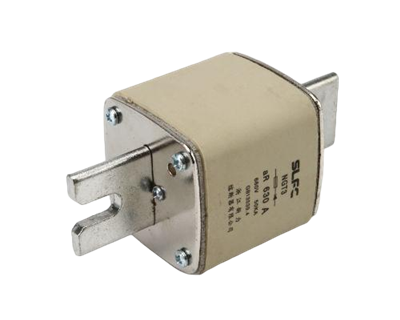
What is the arc - extinguishing time of a solar fuse clip?
As a dedicated supplier of solar fuse clips, I've witnessed firsthand the critical role these components play in the solar energy system. One of the most important parameters associated with solar fuse clips is the arc - extinguishing time. In this blog, I'll delve into what arc - extinguishing time is, why it matters in solar applications, and how our solar fuse clips perform in this regard.
Understanding Arc - Extinguishing Time
When a fuse blows due to an over - current situation, an electric arc is formed between the melting fuse element. The arc - extinguishing time refers to the duration from the moment the arc is initiated until it is completely extinguished. This time is measured in milliseconds and is a crucial factor in ensuring the safety and proper functioning of the electrical circuit.


In a solar power system, the electrical environment is unique. Solar panels generate direct current (DC), and the voltage and current levels can vary significantly depending on factors such as sunlight intensity, panel orientation, and temperature. When a fault occurs, such as a short - circuit or an over - current event, the fuse in the solar fuse clip must act quickly to interrupt the circuit. If the arc - extinguishing time is too long, the arc can cause excessive heat, damage to the surrounding components, and even pose a fire hazard.
Why Arc - Extinguishing Time Matters in Solar Applications
- Safety: Solar power systems are often installed in large arrays, both on rooftops and in solar farms. A long arc - extinguishing time can lead to overheating and potentially start a fire, endangering both the equipment and the people in the vicinity. By having a short arc - extinguishing time, the risk of fire and other safety hazards is significantly reduced.
- Equipment Protection: Solar panels, inverters, and other components in a solar power system are expensive. A long - lasting arc can cause damage to these components, leading to costly repairs and replacements. A solar fuse clip with a short arc - extinguishing time can quickly isolate the fault, protecting the rest of the system from damage.
- System Reliability: In a solar power system, any downtime can result in lost energy production. A fuse with a short arc - extinguishing time ensures that the system can be quickly restored after a fault, minimizing the impact on energy generation.
Factors Affecting Arc - Extinguishing Time
- Fuse Element Material: The material of the fuse element plays a significant role in determining the arc - extinguishing time. Different materials have different melting points and electrical conductivity, which affect how quickly the arc can be extinguished. For example, some materials may vaporize more easily, creating a gas that helps to quench the arc.
- Fuse Construction: The design of the fuse, including the shape and size of the fuse element, the type of filler material used, and the overall structure of the fuse clip, can also affect the arc - extinguishing time. A well - designed fuse clip can provide better heat dissipation and a more efficient arc - quenching mechanism.
- System Voltage and Current: The voltage and current levels in the solar power system also impact the arc - extinguishing time. Higher voltage and current levels can make it more difficult to extinguish the arc, requiring a fuse clip that is specifically designed to handle these conditions.
Our Solar Fuse Clips and Arc - Extinguishing Time
At our company, we understand the importance of arc - extinguishing time in solar applications. Our solar fuse clips are designed and manufactured with the latest technology and high - quality materials to ensure a short arc - extinguishing time.
We use advanced fuse element materials that are carefully selected for their excellent electrical and thermal properties. These materials are able to melt quickly and form a stable arc, which can then be extinguished rapidly. Our fuse clips also feature a unique design that helps to dissipate heat efficiently and provides a reliable arc - quenching mechanism.
In addition, our solar fuse clips are rigorously tested to ensure that they meet or exceed industry standards for arc - extinguishing time. We conduct a series of tests under different voltage and current conditions to simulate real - world scenarios and verify the performance of our products.
Related Products
If you're interested in other solar fuse products, we also offer a wide range of options. You can check out our DC Fuse for Solar, which is specifically designed for direct - current applications in solar power systems. Our PV Fuse Holder provides a secure and reliable mounting solution for fuses, ensuring proper electrical contact and protection. And for those looking for high - performance fuses, our NH PV Fuse offers excellent over - current protection.
Conclusion
The arc - extinguishing time of a solar fuse clip is a critical parameter that directly impacts the safety, reliability, and performance of a solar power system. As a professional solar fuse clip supplier, we are committed to providing our customers with high - quality products that have a short arc - extinguishing time.
If you're in the market for solar fuse clips or other related products, we invite you to contact us for more information and to discuss your specific requirements. Our team of experts is ready to assist you in finding the best solutions for your solar power system.
References
- "Electrical Protection in Solar Power Systems" - IEEE Transactions on Power Electronics
- "Fuse Technology and Applications" - International Journal of Electrical Engineering and Technology