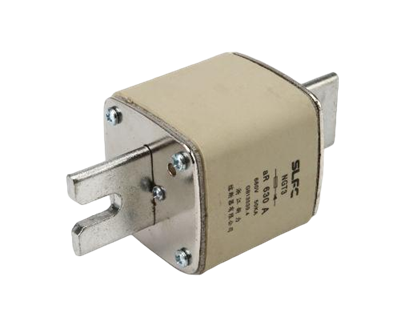
As a supplier of PV Fuse 1000V, I am often asked about the cost - effectiveness of these essential components in photovoltaic (PV) systems. In this blog post, I will delve into the various aspects that contribute to the cost - effectiveness of PV Fuse 1000V, exploring both the short - term and long - term benefits.
Understanding PV Fuse 1000V
PV Fuse 1000V is specifically designed for use in PV systems, which operate at high DC voltages. These fuses play a crucial role in protecting the PV modules, inverters, and other components from over - current situations. When an abnormal current occurs, such as due to a short - circuit or a fault in the system, the PV Fuse 1000V will blow, interrupting the electrical circuit and preventing damage to the expensive PV equipment.
Initial Cost
The first factor to consider when evaluating cost - effectiveness is the initial purchase price. PV Fuse 1000V comes in a variety of types and ratings, and the price can vary depending on the brand, quality, and specifications. Generally, higher - quality fuses with better performance and reliability may have a higher upfront cost. However, it is important to note that this initial investment can pay off significantly in the long run.
For example, a low - cost, inferior - quality fuse may seem like a bargain at first. But it may not have the same level of precision in its operation, and it could potentially fail prematurely or not provide adequate protection during a fault. This could lead to costly repairs or replacements of PV system components. On the other hand, a well - made PV Fuse 1000V, such as the Bolted Photovoltaic Fuse, is designed to meet strict industry standards and offer reliable performance, which can save money in the long - term by reducing the risk of system failures.
Long - Term Savings
One of the most significant aspects of the cost - effectiveness of PV Fuse 1000V is the long - term savings it can bring. By protecting the PV system from over - current damage, these fuses can extend the lifespan of the PV modules, inverters, and other equipment. PV systems are a substantial investment, and any measure that can increase their longevity is highly valuable.
A damaged PV module or inverter can be extremely expensive to replace. In addition to the cost of the new component, there are also installation costs and the potential loss of energy production during the repair or replacement period. By using a high - quality PV Fuse 1000V, the risk of such costly failures is minimized.
Moreover, PV Fuse 1000V can prevent safety hazards associated with over - current situations. Electrical fires in PV systems can be catastrophic, not only causing damage to the PV equipment but also endangering lives and property. The cost of dealing with a fire, including property damage, legal liabilities, and business interruption, far outweighs the cost of a quality PV fuse.
Compatibility and System Efficiency
Another aspect of cost - effectiveness is the compatibility of the PV Fuse 1000V with the overall PV system. A well - selected fuse can ensure that the PV system operates at its maximum efficiency. When a fuse is properly matched to the system's electrical characteristics, it allows the system to function smoothly without unnecessary power losses.
For instance, if a fuse has a rating that is too high for the system, it may not provide adequate protection. Conversely, if the rating is too low, it may blow frequently, causing disruptions to the energy production. The 500VDC 1A 2A 3A 4A 5A 6A 8A 10A 12A 15A 20A 25A 30A Solar PV Fuse offers a wide range of ratings, allowing for precise matching with different PV system requirements, which helps to optimize the system's performance and efficiency.
Maintenance and Replacement Costs
PV Fuse 1000V generally requires minimal maintenance. However, over time, they may need to be replaced due to normal wear and tear or after they have blown in response to a fault. The cost of replacement is relatively low compared to the cost of replacing major PV system components.
When choosing a PV Fuse 1000V, it is also important to consider the ease of replacement. Some fuses are designed for quick and easy installation, which can reduce labor costs during replacement. For example, the DC1000V TUV RoHS GPV Fuse Holder Base is designed to provide a convenient and reliable mounting solution for the PV fuses, making the replacement process more straightforward.


Environmental Impact and Cost - Effectiveness
In today's world, environmental considerations are also an important part of cost - effectiveness. High - quality PV Fuse 1000V that are designed to be energy - efficient and have a long lifespan can contribute to a more sustainable PV system. By reducing the need for frequent replacements and minimizing energy losses, these fuses can help to lower the overall carbon footprint of the PV system.
Moreover, as the demand for renewable energy continues to grow, there may be incentives or regulations related to the environmental performance of PV systems. Using PV Fuse 1000V that meet environmental standards can help PV system owners to comply with these requirements and potentially benefit from incentives, which adds to the overall cost - effectiveness of the system.
Conclusion
In conclusion, the cost - effectiveness of PV Fuse 1000V is a multi - faceted concept that encompasses initial cost, long - term savings, system efficiency, maintenance costs, and environmental impact. While the initial purchase price of a high - quality PV Fuse 1000V may be higher, the long - term benefits in terms of protecting the PV system, reducing repair and replacement costs, and ensuring system efficiency far outweigh the upfront investment.
As a supplier of PV Fuse 1000V, I am committed to providing our customers with high - quality products that offer excellent cost - effectiveness. If you are interested in learning more about our PV Fuse 1000V products or would like to discuss your specific PV system requirements, please feel free to contact us for procurement and negotiation. We are eager to help you find the best solutions for your PV system.
References
- International Electrotechnical Commission (IEC). Standards for photovoltaic system components.
- National Electrical Code (NEC). Regulations for electrical installations in PV systems.
- Industry reports on the performance and reliability of PV fuses.