


Hey there! I'm a supplier of TUV Solar Fuses, and today I wanna chat about the cost of customizing these bad boys. TUV Solar Fuses are super important in the solar power game, and customizing them can be a game - changer for many solar projects.

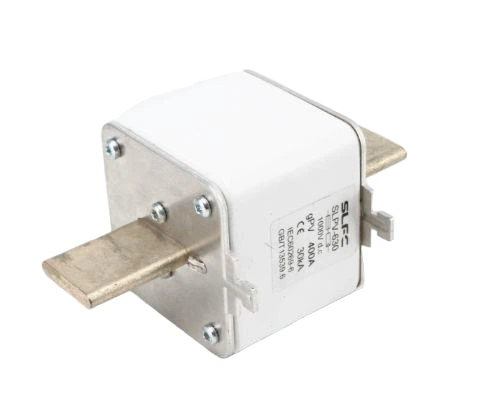
First off, let's understand what TUV Solar Fuses are. TUV is a well - known certification body, and TUV Solar Fuses are fuses that meet the strict safety and performance standards set by TUV. They're designed to protect solar photovoltaic (PV) systems from over - current situations, which can cause serious damage to the system and even pose safety risks. You can learn more about them here: TUV Solar Fuse.
Now, when it comes to the cost of customizing TUV Solar Fuses, there are several factors at play.
1. Design and Specification Requirements
The most obvious factor affecting the cost is the design and specification requirements. If you need a TUV Solar Fuse with unique electrical ratings, such as a specific current - carrying capacity or voltage rating, it's gonna cost you more. For example, a 1000VDC Fuse with a high - amperage rating might require special materials and manufacturing processes to ensure its safety and performance.
Customizing the physical dimensions of the fuse can also add to the cost. Maybe you have a tight - space solar panel installation, and you need a fuse that's smaller in size. This kind of customization often involves new molds and tooling, which are expensive to set up.
2. Material Costs
The materials used in TUV Solar Fuses play a huge role in determining the cost. High - quality materials are essential for ensuring the reliability and longevity of the fuses. For instance, the fuse element, which is the part that melts when there's an over - current, needs to be made of a material with precise melting characteristics. Some of these materials can be quite pricey.
The housing of the fuse also matters. It needs to be made of a material that can withstand the environmental conditions in which the solar system operates, such as high temperatures, humidity, and UV radiation. Using high - grade plastics or metals for the housing will increase the overall cost of the customized fuse.
3. Certification and Testing
Since TUV Solar Fuses need to meet TUV certification standards, the cost of certification and testing is a significant part of the overall cost. Every customized fuse has to go through a series of rigorous tests to ensure it meets the safety and performance requirements. These tests include temperature rise tests, short - circuit tests, and over - current tests.
The certification process itself is time - consuming and expensive. TUV charges fees for the certification, and the cost can vary depending on the complexity of the customization. If your customized fuse has unique features or specifications, it might require additional testing and documentation, which will drive up the cost even more.
4. Production Volume
Production volume is another key factor. Generally, the more fuses you order, the lower the unit cost will be. This is because many of the fixed costs, such as tooling and setup costs, can be spread over a larger number of units. If you're only ordering a small quantity of customized TUV Solar Fuses, the unit cost will be relatively high.
For example, if you need a custom - designed fuse for a small - scale solar project, the cost per fuse might be much higher compared to a large - scale solar farm project where thousands of fuses are needed.
5. Lead Time
If you're in a hurry to get your customized TUV Solar Fuses, you might have to pay a premium. Short lead times often mean that the manufacturer has to prioritize your order over others, which can involve overtime work, expedited shipping of materials, and other additional costs.
On the other hand, if you can be more flexible with the lead time, the manufacturer can plan the production more efficiently, which can help reduce the cost.
Let's break down the cost a bit further with some examples. Suppose you need a custom - designed PV Fuse Holder along with the TUV Solar Fuse. The PV Fuse Holder is an important component that holds the fuse in place and provides electrical connections. Customizing the PV Fuse Holder to fit your specific solar panel configuration will add to the overall cost.
If you want a fuse with a special color - coding or labeling for easy identification, this is also a form of customization that will incur additional costs. The manufacturer has to use special printing or coloring processes, which require extra equipment and materials.
Now, you might be wondering if all these customization costs are worth it. Well, in many cases, they are. Customized TUV Solar Fuses can offer better performance and compatibility with your solar system. They can help improve the overall efficiency and safety of the system, which can lead to long - term savings.
For example, a custom - designed fuse with the exact electrical ratings you need can prevent unnecessary tripping and downtime, which can save you money on maintenance and lost production.
If you're considering customizing TUV Solar Fuses for your solar project, I'd love to have a chat with you. We can discuss your specific requirements, and I can give you a more accurate quote based on what you need. Whether it's a small - scale residential solar project or a large - scale commercial solar farm, we can work together to find the best solution for you.
If you're interested in learning more about our TUV Solar Fuses or getting a quote for customization, don't hesitate to reach out. We're here to help you make the most of your solar investment.
References
- Solar Energy Industries Association (SEIA) - Information on solar power system components and safety standards.
- TUV Rheinland - Documentation on TUV certification requirements for solar fuses.
- Industry reports on the solar fuse manufacturing industry, including cost analysis and market trends.


