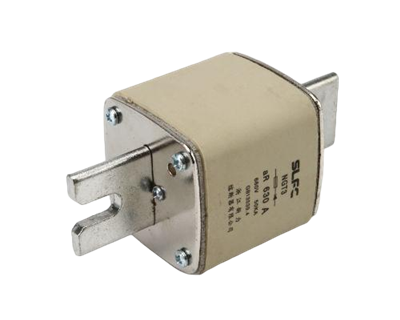
In the realm of solar power systems, the significance of fuses cannot be overstated. Fuses serve as critical safety devices, protecting the system from overcurrent conditions that could lead to equipment damage, electrical fires, or other hazards. When it comes to solar fuse links, there are two primary types: DC (direct current) and AC (alternating current) fuses. As a leading Solar Fuse Link supplier, I often encounter inquiries about the differences between these two types of fuses. In this blog post, I will delve into the distinctions between DC and AC solar fuse links, shedding light on their unique characteristics, applications, and considerations.
Understanding DC and AC Currents
Before we explore the differences between DC and AC solar fuse links, it's essential to understand the fundamental nature of DC and AC currents.
Direct current (DC) is a type of electrical current that flows in one direction only. In a solar power system, DC is generated by photovoltaic (PV) panels. PV panels convert sunlight into DC electricity, which is then typically sent to an inverter to be converted into alternating current (AC) for use in homes, businesses, or the electrical grid.
Alternating current (AC), on the other hand, is a type of electrical current that periodically reverses direction. AC is the standard form of electricity used in most electrical grids and household appliances. In a solar power system, the inverter converts the DC electricity generated by the PV panels into AC electricity that can be used or fed back into the grid.
Key Differences between DC and AC Solar Fuse Links
Now that we have a basic understanding of DC and AC currents, let's explore the key differences between DC and AC solar fuse links.
1. Arc Extinguishing
One of the most significant differences between DC and AC solar fuse links is their ability to extinguish arcs. An arc is a discharge of electricity that occurs when the current flow is interrupted, such as when a fuse blows. In an AC circuit, the current periodically reverses direction, which helps to naturally extinguish the arc. The zero-crossing points of the AC waveform provide opportunities for the arc to be extinguished.
In contrast, DC circuits do not have zero-crossing points, making it more challenging to extinguish arcs. DC arcs tend to be more stable and persistent than AC arcs, which means that DC solar fuse links need to be designed with special features to ensure reliable arc extinction. These features may include longer arc paths, higher breaking capacities, and the use of arc-quenching materials.
2. Voltage and Current Ratings
DC and AC solar fuse links also have different voltage and current ratings. DC solar fuse links are typically rated for higher voltages than AC fuse links because the DC voltage in a solar power system can be much higher than the AC voltage. For example, a typical DC solar fuse link may be rated for voltages up to 1500V DC, while an AC solar fuse link may be rated for voltages up to 600V AC.
In addition to voltage ratings, DC and AC solar fuse links also have different current ratings. The current rating of a fuse link indicates the maximum amount of current that the fuse can safely carry without blowing. DC solar fuse links are often rated for lower currents than AC fuse links because the DC current in a solar power system is typically lower than the AC current.
3. Application
Another difference between DC and AC solar fuse links is their application within a solar power system. DC solar fuse links are typically used in the DC side of the system, between the PV panels and the inverter. They protect the PV panels, wiring, and other components from overcurrent conditions in the DC circuit.
AC solar fuse links, on the other hand, are used in the AC side of the system, between the inverter and the electrical grid or the load. They protect the inverter, wiring, and other components from overcurrent conditions in the AC circuit.


4. Physical Design
DC and AC solar fuse links may also have different physical designs to accommodate their specific requirements. DC solar fuse links often have a more robust construction to withstand the higher voltages and more challenging arc-extinguishing requirements. They may also have larger dimensions and more complex internal structures to ensure reliable performance.
AC solar fuse links, on the other hand, may have a more compact design to fit into the limited space available in the AC side of the solar power system. They may also have different terminal configurations and mounting options to suit the specific application.
Considerations for Choosing DC and AC Solar Fuse Links
When choosing DC and AC solar fuse links for a solar power system, several factors need to be considered to ensure proper protection and reliable performance.
1. Voltage and Current Requirements
The first consideration is the voltage and current requirements of the solar power system. It's essential to choose fuse links with the appropriate voltage and current ratings to ensure that they can safely handle the electrical load in the system. Using fuse links with ratings that are too low can result in premature blowing of the fuses, while using fuse links with ratings that are too high can compromise the safety of the system.
2. Arc-Extinguishing Capability
As mentioned earlier, DC solar fuse links need to have a higher arc-extinguishing capability than AC fuse links. When choosing DC fuse links, it's important to select products that are specifically designed for DC applications and have been tested and certified to meet the relevant standards for arc extinction.
3. Compatibility with Other Components
The fuse links need to be compatible with other components in the solar power system, such as the PV panels, inverter, and wiring. It's important to ensure that the fuse links have the correct terminal configurations and mounting options to fit into the system properly.
4. Quality and Reliability
Finally, it's important to choose high-quality fuse links from a reputable supplier. High-quality fuse links are more likely to provide reliable protection and have a longer service life. Look for fuse links that have been tested and certified to meet the relevant international standards, such as UL, IEC, and TUV.
Our Product Offerings
As a Solar Fuse Link supplier, we offer a wide range of DC and AC solar fuse links to meet the diverse needs of our customers. Our products are designed and manufactured to the highest quality standards, ensuring reliable performance and long service life.
- Solar Fuse Clip: Our solar fuse clips are designed to securely hold the fuse links in place and provide a reliable electrical connection. They are available in a variety of sizes and configurations to suit different applications.
- TUV Solar Fuse: Our TUV-certified solar fuses are designed for use in solar power systems and have been tested and approved to meet the strict requirements of the TUV certification. They offer reliable protection against overcurrent conditions and ensure the safety of the system.
- PV Fuse Holder: Our PV fuse holders are designed to provide a convenient and secure way to mount the fuse links in the solar power system. They are available in a variety of styles and sizes to suit different applications.
Conclusion
In conclusion, DC and AC solar fuse links play a crucial role in protecting solar power systems from overcurrent conditions. While they share the common goal of safeguarding the system, they have several key differences in terms of arc extinguishing, voltage and current ratings, application, and physical design. When choosing DC and AC solar fuse links, it's important to consider the specific requirements of the solar power system and select products that are designed and manufactured to the highest quality standards.
If you are interested in learning more about our DC and AC solar fuse links or have any questions about choosing the right fuse links for your solar power system, please feel free to contact us. We are committed to providing our customers with the highest quality products and excellent customer service. Our team of experts is always available to assist you with your solar fuse link needs and help you make the right choice for your project.
References
- International Electrotechnical Commission (IEC). IEC 60269-6: Low-voltage fuses - Part 6: Supplementary requirements for fuses for solar photovoltaic energy systems.
- Underwriters Laboratories (UL). UL 2579: Standard for Photovoltaic Power System Equipment.
- TÜV Rheinland. Certification and testing services for solar energy products.