


As a supplier of PV Fuse Holders, one of the most frequently asked questions we encounter is about the fuse - changing time for a PV Fuse Holder. Understanding this is crucial for the efficient and safe operation of photovoltaic (PV) systems. In this blog, we will delve into the factors that determine the fuse - changing time and provide some practical guidelines.
The Role of PV Fuse Holders in PV Systems
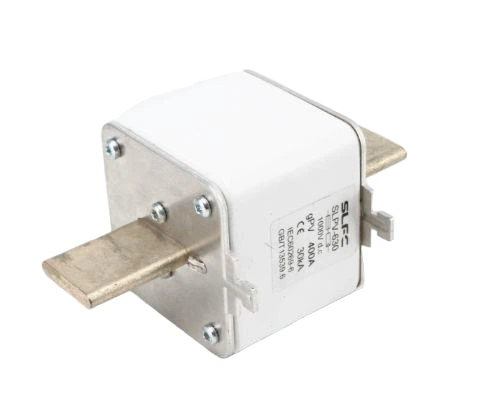
Before discussing the fuse - changing time, it's essential to understand the role of PV Fuse Holders in PV systems. PV Fuse Holders are designed to hold fuses that protect PV circuits from over - current conditions. These fuses act as a safety mechanism, breaking the circuit when the current exceeds a certain level, thereby preventing damage to PV panels, inverters, and other components.
A PV system is exposed to various environmental and electrical conditions. Solar irradiance, temperature variations, and electrical faults can all cause fluctuations in the current flowing through the system. The PV Fuse Holder, along with the fuse it holds, ensures that the system operates within safe electrical limits.

Factors Affecting the Fuse - Changing Time
1. Fuse Rating
The fuse rating is a critical factor in determining when to change a fuse. Fuses are rated based on their current - carrying capacity and breaking capacity. A fuse with a lower rating will blow more quickly when the current exceeds its rated value compared to a higher - rated fuse. For example, a 10A fuse will blow faster than a 20A fuse when exposed to the same over - current condition.
When selecting a fuse for a PV Fuse Holder, it's important to choose a rating that matches the electrical characteristics of the PV system. If the fuse rating is too low, it may blow frequently, causing unnecessary downtime. On the other hand, if the rating is too high, it may not provide adequate protection in case of an over - current event. You can find a wide range of fuses with different ratings, such as the DC Fuse for Solar on our website.
2. Operating Conditions
The operating conditions of the PV system also play a significant role in the fuse - changing time. High temperatures can cause the fuse to degrade more quickly. In a PV system, the temperature can rise due to solar irradiance and the heat generated by the electrical components. A fuse that is constantly exposed to high temperatures may have a shorter lifespan and need to be replaced more frequently.
Similarly, if the PV system is located in an area with high humidity or corrosive environments, the fuse and the PV Fuse Holder may be subject to corrosion. Corrosion can affect the electrical contact between the fuse and the holder, leading to increased resistance and potential over - heating. This can also reduce the lifespan of the fuse and necessitate more frequent replacements.
3. System Load
The load on the PV system can vary depending on the time of day, weather conditions, and the energy consumption requirements. During periods of high solar irradiance, the PV panels may generate more power, resulting in a higher current flow through the system. If the system is frequently exposed to high - load conditions, the fuse may experience more stress and have a shorter lifespan.
For example, in a large - scale PV power plant, the system load can be significantly higher compared to a small residential PV system. As a result, the fuses in the power plant may need to be replaced more often.
4. Fault Occurrences
Electrical faults, such as short - circuits or ground faults, can cause the fuse to blow. If a fault occurs in the PV system, the fuse will break the circuit to protect the components. Once a fuse has blown, it must be replaced immediately. Regular maintenance and monitoring of the PV system can help detect and prevent faults, reducing the frequency of fuse replacements.
Signs that Indicate a Fuse Needs to be Changed
1. Visual Inspection
A simple visual inspection of the fuse can often reveal if it needs to be replaced. A blown fuse may have a visibly broken filament or a charred appearance. Some fuses also have an indicator that changes color when the fuse has blown.
2. System Malfunction
If the PV system is not operating correctly, such as a loss of power or abnormal voltage readings, it could be a sign that the fuse has blown. In such cases, it's important to check the fuse and replace it if necessary.
3. Over - heating
If the PV Fuse Holder feels hot to the touch, it may indicate that the fuse is over - heating. This could be due to a high - current condition or a poor electrical connection. Over - heating can cause the fuse to degrade and eventually blow.
Recommended Fuse - Changing Intervals
While it's difficult to provide a one - size - fits - all recommendation for fuse - changing intervals, here are some general guidelines:
- Residential PV Systems: For small residential PV systems with relatively stable operating conditions, it's recommended to inspect the fuses at least once a year. If the system is located in a harsh environment or experiences frequent power fluctuations, the inspection interval may need to be reduced to every six months.
- Commercial and Industrial PV Systems: These systems typically have higher loads and more complex electrical configurations. It's advisable to inspect the fuses every six months. In addition, regular electrical testing and monitoring should be carried out to ensure the proper functioning of the fuses and the PV Fuse Holders.
The Importance of Using Quality PV Fuse Holders and Fuses
Using high - quality PV Fuse Holders and fuses is essential for the long - term reliability of the PV system. A low - quality fuse may not provide accurate over - current protection and may have a shorter lifespan. Similarly, a poorly designed PV Fuse Holder may not provide a secure connection for the fuse, leading to electrical problems.
We offer a wide range of PV Fuse Holders and TUV Solar Fuse that are designed to meet the highest industry standards. Our products are tested for durability, electrical performance, and safety, ensuring that they provide reliable protection for your PV system.
Conclusion
Determining the fuse - changing time for a PV Fuse Holder is a complex process that depends on several factors, including the fuse rating, operating conditions, system load, and fault occurrences. By understanding these factors and following the recommended inspection and replacement intervals, you can ensure the safe and efficient operation of your PV system.
If you have any questions about PV Fuse Holders, fuses, or fuse - changing times, or if you are interested in purchasing our products, please feel free to contact us for procurement and negotiation. We are committed to providing you with the best solutions for your PV system needs.
References
- International Electrotechnical Commission (IEC). IEC 60269 - 6: Low - voltage fuses - Part 6: Supplementary requirements for fuses for photovoltaic applications.
- Underwriters Laboratories (UL). UL 2579: Standard for Photovoltaic DC Fuses.


