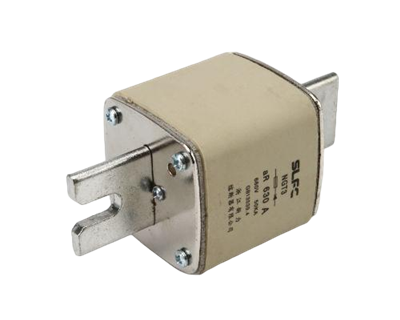
A solar photovoltaic (PV) system is a complex network of components working in harmony to convert sunlight into usable electricity. Among these components, the solar PV fuse plays a crucial yet often overlooked role. In this blog, as a solar PV fuse supplier, I will delve into the impact of a blown solar PV fuse on a PV system, exploring both the technical and practical implications.
Understanding the Role of Solar PV Fuses
Before we discuss the impact of a blown fuse, it's essential to understand the function of solar PV fuses in a PV system. Solar PV fuses are safety devices designed to protect the PV system from overcurrent conditions. They are typically installed in series with the PV panels, strings, or other components. When the current flowing through the fuse exceeds its rated value, the fuse element melts, interrupting the circuit and preventing damage to the PV system.
One of the primary reasons for using fuses in a PV system is to protect against short - circuits. A short - circuit can occur due to various reasons, such as damaged wiring, faulty connectors, or a malfunctioning PV panel. If a short - circuit happens, the current can increase rapidly, potentially causing overheating, fire, or damage to the PV components. A properly rated fuse will blow in a short - circuit situation, isolating the faulty part of the system and preventing further damage.
Immediate Impact of a Blown Solar PV Fuse
When a solar PV fuse blows, the most immediate impact is the interruption of the electrical circuit. If the fuse is protecting a single PV panel or a string of panels, the power output from that panel or string will cease. For example, in a large - scale PV power plant with multiple strings of panels, if a fuse in one string blows, that entire string will stop contributing to the overall power generation of the plant.
This loss of power can have a significant impact on the energy production of the PV system. In a residential PV system, a blown fuse might lead to a noticeable decrease in the amount of electricity being generated and fed into the grid or used to power the home. In a commercial or industrial PV system, the financial implications can be even more severe. A reduction in power output means less electricity is available for sale or internal use, potentially resulting in lost revenue or increased reliance on grid - supplied electricity.
Another immediate consequence of a blown fuse is the potential for increased stress on other components in the PV system. When one part of the system is taken offline due to a blown fuse, the remaining components may have to carry a higher load. For instance, if a fuse in one string of panels blows, the other strings may experience a higher current as the overall electrical demand of the system remains the same. This increased current can lead to overheating and premature failure of other components, such as inverters or charge controllers.
Long - Term Impact on PV System Performance
The long - term impact of a blown solar PV fuse can be far - reaching. Repeatedly blowing fuses can be a sign of underlying problems in the PV system. For example, if fuses are blowing frequently, it could indicate that the system is overloaded, or there is a recurring short - circuit issue. Ignoring these problems can lead to more severe damage to the PV system over time.
A blown fuse can also affect the overall efficiency of the PV system. As mentioned earlier, when a fuse blows, the power output from the affected part of the system is lost. If the issue is not resolved promptly, the system will continue to operate at a reduced capacity, resulting in lower overall energy production. Over the course of a year or more, this can lead to a significant loss of energy and financial returns.
In addition, the long - term performance of the PV system can be affected by the quality of the replacement fuses. Using sub - standard or incorrectly rated fuses can lead to further problems. A fuse that is rated too high may not blow when it should, allowing excessive current to flow through the system and potentially causing damage. On the other hand, a fuse that is rated too low may blow prematurely, causing unnecessary disruptions to the system.
Diagnostic and Maintenance Challenges
When a solar PV fuse blows, diagnosing the root cause of the problem can be challenging. There are many potential reasons for a fuse to blow, including short - circuits, overloading, and faulty components. Identifying the exact cause requires a systematic approach and the use of specialized testing equipment.
For example, technicians may need to use a multimeter to measure the resistance and voltage in different parts of the PV system to determine if there is a short - circuit. They may also need to inspect the wiring, connectors, and PV panels for signs of damage or wear. This diagnostic process can be time - consuming and may require the expertise of trained professionals.
Once the cause of the blown fuse has been identified, maintenance and repair work can be carried out. However, this also presents challenges. In some cases, accessing the blown fuse can be difficult, especially in large - scale PV installations where the fuses may be located in hard - to - reach areas. Additionally, replacing the fuse may require shutting down the PV system, which can result in further loss of power production.
Importance of High - Quality Solar PV Fuses
As a solar PV fuse supplier, I understand the importance of providing high - quality fuses to ensure the reliable operation of PV systems. High - quality fuses are designed to have accurate ratings and reliable performance. They are made from high - quality materials that can withstand the harsh environmental conditions typically encountered in PV installations, such as high temperatures, humidity, and UV radiation.
Using high - quality fuses can reduce the risk of premature blowing and improve the overall safety and efficiency of the PV system. They are also less likely to cause false tripping, which can lead to unnecessary disruptions. In addition, high - quality fuses often come with better warranties and technical support, providing peace of mind for PV system owners and operators.
Conclusion and Call to Action
In conclusion, a blown solar PV fuse can have a significant impact on a PV system, both in the short - term and the long - term. It can lead to a loss of power production, increased stress on other components, and diagnostic and maintenance challenges. To minimize these impacts, it is crucial to use high - quality solar PV fuses and to address any blown fuses promptly.
As a trusted solar PV fuse supplier, we offer a wide range of high - quality fuses that are designed to meet the specific needs of PV systems. Our fuses are rigorously tested to ensure reliable performance and safety. If you are experiencing issues with your PV system or are looking to upgrade your fuses, we encourage you to reach out to us. Our team of experts can provide you with professional advice and guidance on selecting the right fuses for your PV system. Contact us today to start a discussion about your solar PV fuse needs.
References
- "Photovoltaic Systems and Applications" by Martin A. Green
- "Solar Power Systems: Design, Installation, and Maintenance" by John Wiles
- Industry standards and guidelines related to solar PV fuse selection and installation.